Situated deep within the northeastern reaches of the country, the vibrant port city of Iquitos serves as the definitive launchpad for exploring the northern Peruvian Amazon. Unlike any other destination in South America, the Amazon basin accounts for nearly 60% of Peru’s national territory, harboring unparalleled global biodiversity that includes thousands of exotic flora species, rare pink river dolphins, and brilliant tropical birdlife. For travelers looking to expand their horizons beyond the classic circuits, a journey to Iquitos offers a striking, fascinating contrast to the coastal culinary hubs of Lima or the high-altitude Andean history of Cusco.
Traveling through this bustling river port introduces you to an entirely distinct rhythm of life. The city itself boasts an energetic, eclectic atmosphere characterized by lively open-air markets, historic rubber-boom architecture, and streets filled with thousands of three-wheeled mototaxis. However, the true draw lies just beyond the urban limits: the deep, untouched wilderness of the rainforest, where premium eco-lodges provide travelers with a seamless blend of raw nature and curated comfort. Whether you are seeking a multi-day luxury river cruise or an immersive wildlife expedition, this guide covers everything you need to know about seasonal weather patterns, jungle culture, and essential safety preparations for your upcoming adventure.
Key Takeaways: Essential Facts for Visiting Iquitos
The Ultimate Amazon Gateway: Iquitos is globally recognized as the largest city in the world that cannot be reached by land, making it the premier entry point for deep-jungle lodge excursions and river cruises in northern Peru.
Accessible Exclusively by Air or Water: Because the city is completely landlocked by dense rainforest and winding tributaries, the only practical and time-efficient way for international travelers to arrive is via a short commercial flight from Lima.
Distinct Seasonal Advantages: The low-water dry season (May to October) offers accessible walking trails and fewer mosquitoes, while the high-water wet season (November to April) allows motorized skiffs to navigate deep into flooded forest canopies for optimal wildlife viewing.
Experience-Driven Itineraries: Marquee activities in the region focus on multi-day rainforest lodge stays, tracking pink and gray river dolphins, embarking on guided nocturnal canopy walks, and engaging in authentic cultural encounters with native riverine communities.
Prioritize Health and Conservation: Navigating the hot, humid tropical climate requires packing specialized insect defense, reviewing regional medical vaccination advice, and booking strictly with eco-certified, responsible operators who support local conservation efforts.
The Best Time to Visit the Amazon Jungle
Navigating the equatorial climate of the Amazon basin requires a slight shift in perspective. Humidity levels in Iquitos remain exceptionally high year-round, averaging between 80% and 100%. The region maintains a steady tropical warmth, with an average annual temperature of roughly 26°C (80°F)-daytime highs generally reach 31°C (88°F), while evening temperatures drop to a comfortable 22°C (72°F).
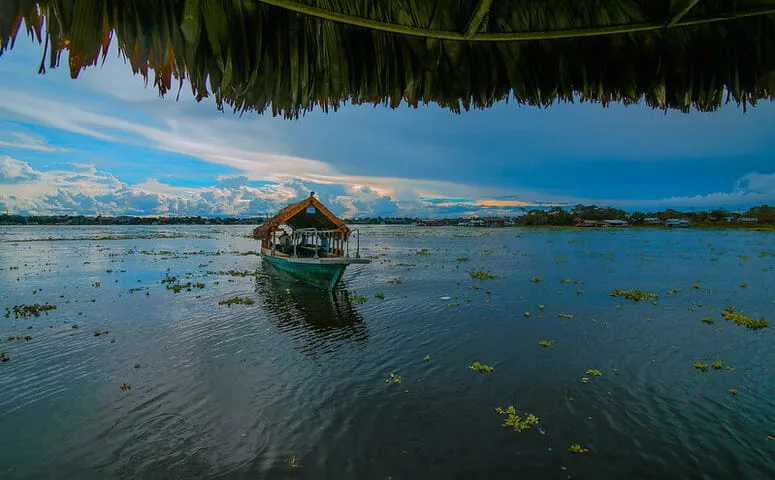
A typical view of a local community shore in the jungle of Iquitos.
Rather than traditional seasons, the northern Peruvian rainforest is defined by two distinct hydrological cycles: the high-water season and the low-water season. Because premium eco-lodges dynamically adapt their daily excursions to match these shifting river levels, the absolute best time to visit Iquitos depends entirely on how you prefer to explore the wilderness and the specific wildlife encounters you want to prioritize.
The High-Water Season (December to May)
Running from December through May, the high-water season transforms the landscape as heavy tropical rainfall causes the main artery of the Amazon River and its tributaries to rise by up to 7 meters (22 feet). This massive influx of water floods the surrounding low-lying woodlands, turning the jungle floor into a vast, navigable aquatic labyrinth.
In the high water season, locals have to be prepared as the water levels rise significantly.
Visiting during these months allows motorized skiffs and traditional dugout canoes to glide effortlessly deep into the flooded forest canopy, granting you unparalleled access to remote creeks that are completely dry and impassable during the rest of the year. This water-based mobility brings you eye-to-eye with tree-dwelling wildlife. It is the absolute prime window for tracking elusive pink and gray river dolphins, spotting families of giant river otters, observing nocturnal monkeys, and watching colorful macaws nesting in the high branches.
The Low-Water Season (June to November)
Extending from June through November, the low-water season uncovers a completely different side of the rainforest. During this period, rainfall decreases sharply, and daytime temperatures can occasionally peak around a warmer 34°C (90°F). As the river system recedes by that same 7-meter margin, it exposes a massive network of hidden jungle hiking trails, isolated sandbars, and natural muddy banks.
If your ideal Amazon adventure involves lacing up your trekking boots, walking beneath ancient ceiba trees, and tracking animal footprints across the rainforest floor on foot, this is the ideal window for your itinerary. A highly welcomed side effect of the dropping water levels is a dramatic reduction in standing water, which translates to noticeably fewer mosquitoes along the trails. However, because this is a tropical environment, a high-quality insect repellent remains a non-negotiable item in your daypack regardless of the month.
How to Get to Iquitos, Peru
Reaching Iquitos requires a choice between two travel modes: air or water. Because the city is nestled deep within the dense Amazonian rainforest-roughly 1,012 kilometers (628 miles) northeast of the capital city of Lima-flying is by far the most efficient and practical option for international travelers.
A direct commercial flight from Lima to Iquitos takes approximately two hours, while traveling from Cusco involves a slightly longer travel time and typically requires a brief connection. LATAM remains the most reliable and highly recommended carrier servicing these regional routes, offering multiple daily frequencies.
Depending on your overall travel style, you can easily incorporate an Amazon expedition either immediately before or directly following your tours in Cusco. Booking your jungle segments out of Lima generally yields a wider selection of departure times and more competitive pricing compared to routing directly through the southern highlands.
The City of Iquitos and Its Culture
Widely celebrated as the capital of the Peruvian Amazon, Iquitos holds the unique title of being the largest city on Earth that is completely inaccessible by road. Surrounded entirely by winding rivers and thick jungle canopies, this vibrant river port is home to a dynamic population of over 470,000 residents distributed across four principal metropolitan districts: Iquitos, Punchana, Belén, and San Juan Bautista.
The city’s cultural tapestry is fascinatingly complex, blending indigenous Amazonian traditions with historical waves of immigration from Brazil, Colombia, and China, alongside a well-established global expatriate community.
The moment you step out of the airport, you will notice that the urban landscape operates on an entirely different rhythm. Traditional cars are a rare sight on the streets; instead, the local transportation network is dominated by a fleet of over 25,000 three-wheeled mototaxis (auto-rickshaws).
Zipping through town in an open-air mototaxis is an authentic, highly affordable way to get around while enjoying a welcome tropical breeze. Alongside these nimble three-wheelers, you will encounter large, beautifully preserved vintage transit buses constructed out of local hardwoods-a spectacular sight that perfectly encapsulates the city’s nostalgic charm.
The Belén Market
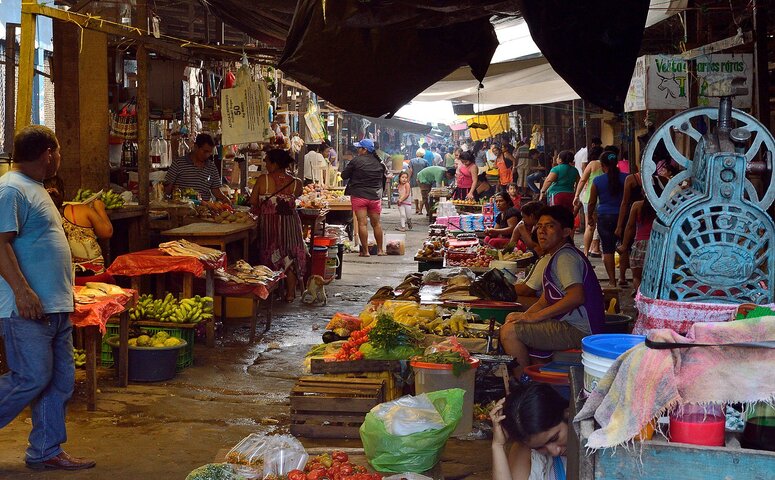
The Belén street market is an intense, immersive sensory experience that offers a raw look at daily life in the rainforest. The market is globally famous for its massive array of wild river fish, exotic Amazonian timber crafts, and its dedicated “Shaman’s Alley” (Pasaje Paquito). In this specialized section, local traditional practitioners display an astonishing variety of natural plant medicines, organic tobaccos, and holistic rainforest remedies.
Belén is an absolute paradise for adventurous food lovers and fruit enthusiasts. It provides an unmatched opportunity to sample native, nutrient-dense jungle fruits that are virtually impossible to find outside of the Amazon basin, including cherimoya, guanábana, aguaje, lúcuma, and vitamin-packed camu-camu.
Because the market’s narrow pathways can become incredibly crowded and lively, travelers must remain mindful of pickpockets and keep personal valuables secure. To maximize your comfort and safety, we highly recommend exploring Belén alongside a trusted local private guide who can facilitate smooth communication with vendors, ensure you receive fair pricing, and safely interpret the unique items on display.
Indigenous Communities
The deep wilderness surrounding Iquitos is home to an incredible array of native ancestral societies. While the vast majority of these tribes have transitioned into modern life through historical interactions with outside organizations, they maintain a fierce dedication to preserving their ancestral languages, complex spiritual worldviews, traditional dances, and intricate artisan crafts.
Visiting the local community and understanding how they live is a memorable experience.
The Peruvian Amazon contains more than 64 distinct indigenous groups and sub-tribes, each traditionally stewarding specific territories along distinct river basins. Some of the most notable communities in the northern region include:
The Capanahuas
The Boras
The Yaguas (the traditional community featured on our curated itineraries)
The Jíbaros
The Cocamas
The Ocainas
The Remiyacus
Visiting a native community during our Iquitos Amazon tour offers an incredible educational window into sustainable rainforest living. These communities possess a profound, unparalleled ethnobotanical expertise, utilizing Amazon rainforest plants and organic herbs for advanced natural healing.
Ayahuasca
One of the fastest-growing reasons international travelers visit the northern jungle is to participate in sacred ceremonies involving Ayahuasca-a powerful, highly psychoactive traditional plant brew that indigenous Amazonian shamans have utilized for millennia as a tool for spiritual and physical healing.
If you’re planning on taking Ayahuasca, make sure to do proper research before.
While many participants report profound, life-changing spiritual insights, emotional breakthroughs, and intense meditative visions, the brew is exceptionally potent and demands the utmost respect. If you choose to explore this spiritual path, it is critical to conduct thorough research and ensure you participate exclusively within a structured, highly reputable retreat lodge staffed by certified facilitators and vetted indigenous shamans.
We strongly urge travelers never to purchase unverified bottles of liquid preparations or unknown botanical extracts at open-air markets like Belén to experiment with independently. Without proper medical screening, dietary preparation, and expert psychological containment, unsupervised consumption can lead to severe physiological and psychological risks.
Traditional Jungle Food of the Amazon
The culinary landscape of the northern rainforest is an exotic, highly distinct branch of Peruvian gastronomy. Jungle cuisine is a fascinating fusion of ancestral native techniques, fresh river ingredients, and subtle flavors influenced by neighboring Brazil and Colombia, combined with elements carried down from the Andes and the Pacific coast.
The typical Peruvian jungle food is tasty and rich in calories.
When exploring the menus of premium eco-lodges and traditional riverfront bistros in Iquitos, look out for these four signature regional dishes:
Juane: Widely considered the culinary crown jewel of the Peruvian jungle, this iconic dish features a seasoned mixture of soft rice, tender chicken, black olives, and hard-boiled eggs heavily spiced with local aromatic herbs. The entire mixture is artfully wrapped into a compact sphere using large, waxy bijao leaves and slow-boiled in traditional clay pots, imparting a deep, smoky herbal aroma.
Tacacho: A wonderfully comforting and rich Amazonian staple made from green plantain rounds that are sliced, deep-fried until golden, and thoroughly mashed in a large wooden mortar. The savory plantain mash is then blended with bits of chicharrón (crispy pork rind), molded into dense, flavorful spheres, and traditionally served alongside grilled regional sausages (chorizo).
Sarapatera: A highly unique, traditional celebratory stew prepared using nutritious charapa (freshwater river turtle) meat simmered slowly with grated green plantains, minced garlic, wild sweet chili peppers, and sweet jungle onions. Following ancestral customs, the rich broth is cooked and served elegantly directly inside the turtle’s natural shell.
Tacacho con Cecina: A beloved staple that frequently highlights traditional breakfast and lunch menus throughout the region. This dish pairs savory, hand-mashed tacacho plantain spheres with generous strips of cecina-a specialized cut of pork that is deeply marinated in local jungle spices and cold-smoked over aromatic tropical hardwoods until tender and intensely flavorful.
What to Pack for the Amazon Jungle
The tropicalweather in Iquitos is highly dynamic, characterized by intense heat, near-constant humidity, and sudden downpours. It is entirely common to experience clear skies in the morning followed by a torrential equatorial thunderstorm in the afternoon. Because of these rapid atmospheric shifts, packing high-performance, adaptive clothing is essential to stay dry and comfortable during your excursions.
During your jungle tour, you’ll be on the Amazon river various times for your excursions.
We highly recommend avoiding heavy denim or thick cotton, which trap moisture and take days to dry in the rainforest. Instead, build your packing list around these essential items:
Moisture-Wicking Layers: Pack lightweight, synthetic Dri-FIT t-shirts, athletic tank tops, and loose, breathable linen shirts for casual time around the eco-lodge.
Insect and Sun Protection: Long-sleeved shirts and lightweight, durable trekking trousers are non-negotiable for jungle walks. They provide a vital physical barrier against both mosquitoes and low-hanging branches.
Sturdy Footwear: High-quality hiking shoes or trail runners paired with synthetic, moisture-wicking athletic socks are required. Most premium lodges will also provide heavy-duty rubber boots for deeply muddy or flooded trails.
Light Rain Gear: A compact, breathable windbreaker or a premium waterproof poncho can easily be stowed away in your daypack for sudden afternoon showers.
Active Essentials: Remember to bring swimwear for lodge pools or river excursions, a wide-brimmed sun hat or baseball cap, and polarized sunglasses to protect against the river’s glare.
Safety and Health in the Peruvian Rainforest
Navigating Iquitos and the surrounding wilderness is an incredibly rewarding experience when approached with standard travel awareness. Within the urban center, we advise practicing standard metropolitan precautions: keep personal valuables secure, remain aware of your surroundings in crowded market zones, and avoid walking unguided through unfamiliar neighborhoods after dusk.
Fortunately, guests traveling with Exploor Peru experience a completely seamless, insulated arrival. Our private transport team greets you directly at the airport baggage claim, transfers you securely to the city harbor, and boards you onto a high-speed watercraft bound for your destination lodge.
Once you leave the city grid and enter the rainforest, your safety is completely managed by certified professionals. While the Amazon basin is home to predatory wildlife, these species naturally avoid human activity and are virtually never encountered on standard eco-luxury circuits. To ensure a safe, enriching adventure, simply follow the operational boundaries and trail instructions outlined by your private naturalist guide, keeping a respectful distance from allAmazon rainforest animals.
Vaccination and Medical Guidance
A frequent question among international travelers is whether a Yellow Fever vaccination is mandatory for our specialized3-day Iquitos Amazon tour. While the Peruvian government does not currently enforce a mandatory entry requirement for travelers arriving from North America, international health organizations like the CDC strongly recommend the Yellow Fever vaccine for anyone venturing into the Amazon basin below 7,500 feet (2,300 meters).
We always urge our guests to consult with a specialized travel physician or their primary healthcare provider at least four to six weeks before flying to review personal immunization history. Beyond standard prescriptions, your personal medical kit should always include a high-concentration DEET or Picaridin insect repellent, broad-spectrum SPF sunscreen, anti-itch creams, and standard over-the-counter rehydration salts or motion-sickness remedies for boat transits.
Hydration and Water Safety
Maintaining proper hydration is critical when adjusting to the intense tropical humidity of northern Peru. To prevent severe stomach issues and logistical disruptions to your holiday, never drink local tap water at your lodge or within the city.
This is what the lodge where we stay looks like from above.
Premium eco-lodges provide an unlimited supply of highly purified, reverse-osmosis filtered water at central filling stations throughout their properties. We strongly advocate for sustainable, plastic-free travel practices-please pack a durable, reusable 1 to 1.5-liter water bottle or insulated flask so you can easily top up your reserves before setting off on morning and afternoon jungle canopy excursions.
Navigating Iquitos Amazon Jungle Tours
Selecting the right excursion structure shapes how your encounter with the rainforest unfolds. Because the deep Amazon is a highly specialized environment, balancing the raw thrills of wilderness exploration with reliable, high-quality ground support transforms a demanding journey into an extraordinary holiday.
On the monkey island, you’ll get to interact with some incredible monkeys.
What Standard Amazon Jungle Tours Look Like
The vast majority of multi-day rainforest excursions span 3 to 4 days, offering structured itineraries that share a foundational transit blueprint. Upon landing at the Iquitos airport, your operator transfers you directly to the local river port, where you board a motorized speed boat to travel down the main artery of the Amazon River. Depending on how remote your chosen property is, this scenic river transit typically takes anywhere from 1.5 to 3 hours.
The exact daily programs vary depending on a lodge’s specific location and their operational partnerships with indigenous riverine communities or localized wildlife sanctuaries. For an in-depth, day-by-day look at how to structure a classic itinerary, look over our expert breakdown of a premier Amazon 3-day adventure in the Iquitos jungle.
Standard itineraries across the top-rated Amazon lodges in Iquitos generally incorporate these four pillars:
Motorized River Safaris: Scouting the riverbanks for unique aquatic life, including caimans and the famous Amazonian pink dolphins.
Primate Sanctuary Excursions: Visiting protected island habitats dedicated to the rehabilitation and conservation of orphaned monkey species.
Native Cultural Exchanges: Engaging directly with local riverine populations to learn about ancestral customs, language preservation, and artisan crafts.
Nocturnal Canopy Walks: Entering the rainforest trail network after dark alongside a naturalist guide to observe tarantulas, amphibians, and nocturnal predators.
⚓ Looking for an ultra-luxury alternative? If you prefer to explore the rainforest from the comfort of a floating boutique hotel rather than a land-based eco-lodge, multi-day river expeditions are spectacular. Take a look at our short walkthrough video detailing the world-class Delfin Amazon cruises experience.
The Exploor Peru Amazon Experience: Adventure Meets Comfort
Our signature Iquitos jungle tours are meticulously crafted to deliver the ultimate balance of deep-wilderness exploration and refined physical comfort. During the day, you will venture deep into the primary forest canopy, track exotic wildlife, and participate in immersive cultural interactions with ancestral tribes like the Yaguas.
Relaxing at the pool in between the tours sets the tone for a relaxing vacation.
However, the true value of our program lies in the comfort you return to after a long day in the tropical heat. Instead of rustic, exposed camps, our travelers unwind at a premium eco-lodge equipped with a refreshing outdoor swimming pool, an exceptional restaurant serving gourmet regional Amazonian cuisine, and relaxing hammock lounges filled with the evening sounds of the jungle.
Most importantly, our guest bungalows feature premium mattresses and are entirely sealed with high-grade, fine-mesh mosquito netting. This guarantees you enjoy a cool, bite-free, and deeply restorative sleep every single night.
Our traveler feedback consistently highlights that this combination of rugged exploration and thoughtful luxury is what makes their Amazon vacation truly unforgettable. Investing slightly more in a secure, well-equipped lodge with flawless safety standards, comfortable beds, and excellent food ensures you remain happy, energized, and ready for every new adventure the jungle presents.
Iquitos in Peru: A Place You Will Never Forget
Including a journey to Iquitos in your broader travel itinerary elevates your South American holiday from a standard sightseeing trip to a profound, multi-dimensional adventure. The northern Peruvian rainforest doesn’t just showcase extraordinary wildlife and primordial landscapes; it provides an invaluable opportunity to engage directly with diverse, living Peruvian cultures and traditions preserved by ancestral river communities. When you pair these immersive cultural connections with the exotic, unforgettable flavors of traditional Amazonian gastronomy, you get a travel experience that challenges and rewards you in equal measure.
With some luck you’ll see the rare pink dolphins in Iquitos.
Before finalizing your travel dates, take a moment to weigh the distinct operational advantages of the high-water and low-water cycles against your personal exploration style. Remember that while rainfall peaks between March and May, this high-water window grants you the magical ability to navigate deep into flooded creeks by boat, bringing you incredibly close to canopy-dwelling wildlife. Conversely, as the rains recede from June through August, the drying forest opens up spectacular, raw hiking paths for trekkers.
Ultimately, whether you choose a fast-paced three-day wilderness immersion or an extended luxury river cruise, entering the Amazon basin leaves a permanent mark on how you view the natural world.
�-�️ Ready to step into the world’s greatest rainforest? For a comprehensive look at regional trip planning, packing strategies, and safety frameworks, explore our definitive Peruvian Amazon travel guide. If you are ready to secure your private naturalist guide and premium eco-lodge bungalow, take a look at our fully customizablePeru tours today to start designing your journey.
Frequently Asked Questions About Visiting Iquitos, Peru
Where Is Iquitos and Why Do Travelers Visit It?
Iquitos is a vibrant port city located in the Loreto region of northeastern Peru, serving as the definitive urban gateway to the northern Peruvian Amazon River basin. Travelers from around the globe journey to this isolated metropolis because it acts as the primary logistical launchpad for multi-day deep-jungle lodge expeditions, luxury Amazon river cruises, and specialized wildlife tracking safaris.
How Do You Get to Iquitos if There Are No Roads?
You can reach Iquitos exclusively by air or water, as it holds the unique title of being the largest city on Earth completely disconnected from a land-based highway system. The most practical, comfortable, and time-efficient method for international tourists is booking a direct, two-hour commercial flight from Lima’s international airport, though adventurous travelers can alternatively navigate the Amazon and its tributaries via multi-day passenger ferries.
When Is the Best Time of Year to Visit Iquitos?
The best time of year to visit Iquitos depends entirely on your preferred style of exploration, though the dry, low-water season from May to October offers the most accessible hiking trails and a highly welcomed reduction in mosquito activity. Conversely, the high-water wet season from November to April elevates river levels significantly, creating a magical window for water-based boat safaris that allow motorized skiffs to glide deep into flooded forest canopies for eye-level wildlife viewing.
What Are the Main Things to Do in Iquitos and the Surrounding Amazon?
The main things to do in Iquitos focus on immersive multi-day rainforest lodge stays, guided boat safaris to track wild pink river dolphins, and thrilling nocturnal canopy walks to observe tarantulas and amphibians. Beyond these raw wilderness adventures, travelers can explore the bustling Belén street market to sample exotic native fruits, visit protected primate rehabilitation sanctuaries, and participate in meaningful cultural exchanges with ancestral native riverine communities like the Yaguas.
What Should I Pack and How Should I Prepare for a Trip to Iquitos?
To prepare for Iquitos, you should pack ultra-lightweight, moisture-wicking synthetic clothing, including long-sleeved shirts and full-length trekking trousers for vital protection against mosquitoes and dense brush. Your daily jungle pack should feature a high-concentration DEET or Picaridin insect repellent, broad-spectrum sunscreen, a breathable waterproof poncho, and a durable reusable water bottle, while your medical preparation should include consulting a travel physician regarding recommended regional vaccinations well in advance of your flight.
Should I choose Iquitos or Puerto Maldonado for my Peru jungle trip?
Choosing between Iquitos and Puerto Maldonado depends on your route and preference, but Iquitos is the premier choice if you want to sail the actual Amazon River and track wild pink dolphins. While Puerto Maldonado is highly convenient for a quick side trip from Cusco due to its shorter flight times, Iquitos offers a significantly more remote, authentic, and boat-based aquatic wilderness adventure that makes you feel like a true explorer navigating the world’s most famous river system.
Is there reliable internet, Wi-Fi, or cellular service at the Amazon lodges near Iquitos?
No, you should generally prepare for a digital detox, as reliable high-speed cellular signals drop completely once your boat travels deep into the primary rainforest tributaries outside of Iquitos. While a growing number of luxury eco-lodges are beginning to incorporate satellite internet systems like Starlink in their central common pavilions, connection speeds remain variable and weather-dependent, meaning it is best to handle urgent corporate obligations before your river watercraft leaves the city harbor.
Do I need to worry about malaria or dengue mosquitoes when visiting Iquitos?
While the risk of contracting malaria or dengue fever on standard comfort and luxury eco-lodge circuits near Iquitos is incredibly low, taking proactive preventative health measures is always recommended. Because the deep primary forest contains moving waters and premium properties enforce strict mosquito netting, simply applying a premium DEET or Picaridin repellent and wearing lightweight long-sleeved clothing during your daily canopy treks provides a highly effective and complete shield against local insects.








Ed30 May, 2022 at 11:45 pm
Is there an option for a one day tour?
Oliver from Exploor31 May, 2022 at 8:26 am
Hey Ed! As of now, we do not offer a one-day tour, sorry!
If there’s anything else we can help you with, feel free to send us an email to [email protected]. 🙂