The Peruvian Amazon is best visited in the dry season (roughly May to October) when river levels are lower, trails are more accessible, and wildlife viewing is more predictable.
The main access hubs for the Peruvian Amazon are Iquitos, Puerto Maldonado, and Manu, each offering different types of lodges, river cruises, and biodiversity experiences.
Travelers should prepare for heat, humidity, and insects by packing light breathable clothing, strong insect repellent, sun protection, and quick-dry gear in waterproof bags.
Health and safety planning is essential, including checking vaccine recommendations (such as yellow fever), asking a doctor about malaria prevention, and following lodge or guide instructions in the jungle.
Choosing certified local guides and responsible lodges supports conservation, protects wildlife habitats, and creates respectful cultural exchanges with Indigenous and local communities.
If the Peruvian Amazon is on your 2026 bucket list, you’re in the right place. Covering over 60% of Peru, this vast rainforest teems with life, from pink river dolphins and macaws to 20,000 plant species and elusive jaguars. It’s also home to communities like the Shipibo and Asháninka, whose traditions and craftwork keep the forest’s spirit alive.
At Exploor Peru, we make exploring the Amazon effortless and authentic, with small groups, expert naturalist guides and eco-lodges with screened rooms, fans and hot showers.
With smooth transfers from Iquitos or Puerto Maldonado, you can focus on the adventure while we handle the details.
In this guide, you’ll discover the best destinations, seasons, wildlife, tours and travel tips to plan your perfect Amazon experience.
About the Peruvian Amazon: Size, Biodiversity, and What Makes It Special
The Peruvian Amazon jungle sits on the western side of the greater Amazon Basin, where the Andes drop into vast lowland forest. It is Peru’s wild heart, easy to access yet still rich in wildlife and culture.
Plan your trip with us, if you want nature without hassle, comfort-first lodges, expert guides, and short flight times meet world-class biodiversity.
What Makes the Peruvian Amazon Unique for Travelers
The region shines for travelers who want reliable planning and close wildlife encounters without roughing it.
Easy access to wildlife: From Iquitos and Puerto Maldonado, boats reach oxbow lakes, clay licks, and river islands where monkeys, macaws, and pink dolphins are common sights.
Strong guiding standards: English-speaking naturalists read the forest like a book, spotting sloths, caimans, and rare birds while keeping you safe and comfortable.
Diverse ecosystems: Expect a mosaic of habitats, including flooded forests (varzea), terra firme, palm swamps, and riverbanks, each with distinct species.
Comfort-first lodges: Think screened rooms, fans, hot showers, and great food. Small-group, curated outings reduce stress and maximize sightings.
How Big Is the Peruvian Rainforest?
Peru’s rainforest covers roughly 60 percent of the country, about 783,000 square kilometers. That is larger than France, and it makes up around one tenth of the entire Amazon.
For a quick visual, picture a green expanse a bit bigger than Texas. The Peruvian Amazonia overview provides helpful size context within Peru and the wider basin.
Amazon Climate and What to Expect
It is warm and humid year-round, with short bursts of rain. River levels shape travel more than temperature.
High-water season (roughly December to May): Rivers rise, boat access improves, and canopy and creek exploration are easier. Some trails flood, so you spend more time on the water.
Low-water season (roughly June to November): Trails open up, beaches appear, and fishing and longer hikes improve. River travel takes longer as channels shrink.
For planning, this seasonal rhythm aligns with popular advice that the drier months favor trekking and wildlife viewing, while wetter months suit boating and creek exploration.
Choose eco-lodges that manage waste, treat water, and hire locally.
Carry a refillable bottle to cut single-use plastics on boats and trails.
Respect wildlife distances and follow your guide’s cues for quiet viewing.
Skip wildlife products and crafts made from feathers, skins, or endangered woods.
Support community-led projects by booking operators that invest in indigenous partnerships and fair jobs.
These steps protect habitats, uplift local families, and give you a smoother, safer trip through the Peruvian Amazon. It also fits our sustainability and responsible travel approach through Peru.
Where to Go: Top 3 Destinations in the Peruvian Amazon and Best Lodges
Three gateways define how you experience the Peruvian Amazon. Choose comfort-forward Puerto Maldonado, river-focused Iquitos, or deep-wilderness Manu. Each offers superb wildlife, skilled guiding, and a different pace.
Puerto Maldonado: Tambopata Highlights, Easy Access, and Best Lodges
Ideal for first-time visitors who want comfort and strong wildlife viewing. You base in Puerto Maldonado on the Madre de Dios River, with quick boat access to Tambopata National Reserve.
Highlights include the macaw clay licks at dawn and Lake Sandoval, where giant river otters, hoatzins, and caimans thrive. Short, well-planned outings make days smooth and rewarding.
Getting there: short flights from Lima or Cusco.
Style: lodge stays with guided day trips, minimal transfers.
Timeframe: 2 to 4 nights suits a relaxed pace.
Top options blend comfort, service, and great guidance. Inkaterra Reserva Amazonica and Posada Amazonas are excellent picks.
Iquitos: Amazon River Access, Pink Dolphins, and Unique Activities
Iquitos puts you on the actual Amazon River, not just a tributary. Expect boat outings through flooded forest, night walks for caimans and frogs, and quiet creeks with Victoria water lilies.
Pink river dolphins are a frequent highlight near confluences and calm channels.
Getting there: direct flights from Lima, then boat transfers.
Style: mix of boat-based exploration and lodge days.
Lodges: look for strong guiding and well-run operations near Nauta and the reserve. A proven base is the Heliconia lodge.
Manu National Park: Unesco Biodiversity, Permits, and Low-Impact Travel
Manu protects one of the planet’s richest wildlife zones. Access gets progressively remote, and deeper areas require special permits and approved operators.
Travel usually involves a road from Cusco to the Andean foothills, then multi-day river journeys; limited small-plane access is sometimes available.
Manu Wildlife Centre is a standout for birding, canopy towers, and tapir clay licks.
Style: small groups, low-impact travel, longer stays.
Best for: serious wildlife lovers who value pristine forest and expert guiding.
Best Time to Visit the Peruvian Amazon: Seasons, Months, and Wildlife
Plan by water levels, not temperature. The Peruvian Amazon is warm and humid year-round, but river height shapes your days.
High-water brings more boat routes and flooded forests. Low-water opens trails, beaches, and clay licks. Both seasons are rewarding, just different.
High-Water Season (December to May): Easier River Access and Aquatic Life
Rivers rise and creeks fill, so boats reach quiet backwaters and canopy edges. Flooded forests make exploration smooth, with less walking and more peaceful drifting. This is prime time for pink river dolphins, especially near confluences, and for diverse birdlife along channels.
Expect frequent showers, but temperatures stay warm. With a light rain jacket, dry bags, and quick-dry layers, outings remain comfortable.
Trails can flood, which means you spend more time on the water and often see more aquatic life up close.
Low-Water Season (June to November): Better Trails and Clay Licks
Water drops, sandbars appear, and hiking improves. Longer walks, camera-trap routes, and beachy riverbanks are common. Wildlife concentrates around water sources, improving odds for capybaras, tapirs, and monkey troops.
Dawn visits to macaw clay licks are outstanding, especially in Tambopata. Skies tend to be clearer, which helps with photography and canopy views.
River travel can take longer, but land sightings make up for it.
Month-By-Month Planning Guide
December: Waters start rising; festive travel, great boating.
January-February: Wet, warm, strong birding along rivers and lakes.
March-May: Peak flooded forest and aquatic life; dolphins shine.
June-August: Best hiking, clearer skies, better land mammal tracking.
September-November: Excellent macaws, strong migratory bird activity, great canopy viewing.
Best Time for Wildlife Watching
Match your focus to the season. Choose high-water for dolphins, flooded forest boat safaris, and creek birding.
Pick low-water for clay licks, longer hikes, and terrestrial encounters. Sightings vary, so plan guided outings at dawn and dusk, when animals are most active.
This approach works across Iquitos, Puerto Maldonado, and Manu, and it fits well with 2 to 4-night lodge stays in the Peruvian Amazon.
How to Get to the Peruvian Amazon: Routes, Flights, and Entry for Manu
Most trips start in Lima or Cusco, then connect to Iquitos, Puerto Maldonado, or Manu. Keep it simple with a flight plus a short boat ride, or choose a deeper overland and river journey if you want remote forest. The routes below keep planning clear and stress free.
From Lima and Cusco: Your Starting Points
Plan around two main gateways and one remote highlight.
Lima to Iquitos: Fly nonstop, then transfer by road to Nauta for boats into the Amazon River area. This suits travelers focused on river life, pink dolphins, and Pacaya Samiria outings.
Lima to Puerto Maldonado: Fly nonstop, then take a 30 to 90 minute boat to lodges in Tambopata. This is the easiest entry point for a short, comfortable Peruvian Amazon stay.
Cusco to Puerto Maldonado: Take a brief nonstop flight, then boat to your lodge the same day.
Cusco to Manu: Travel by road into the cloud forest, then continue by river to deeper zones. Some seasons see limited small-plane options to airstrips near Manu, which are subject to operator schedules.
Tip: Book early morning flights for better weather windows and smoother same-day transfers. Contact a Peru travel expert today to plan your Amazon adventure!
Flights to Iquitos and Puerto Maldonado
Typical flight times help you plan tight connections.
Lima to Iquitos: about 2 hours.
Lima to Puerto Maldonado: roughly 1 hour 40 minutes.
Cusco to Puerto Maldonado: usually under 1 hour.
To check schedules and prices, compare current Lima to Puerto Maldonado flights on Latam, Peru’s most reliable Airline.
Overland and River Routes
Reaches of Manu and other protected areas rely on a road plus river combination. Expect scenic drives across the Andes, then long but rewarding boat rides into lowland rainforest.
Travel days can run 6 to 10 hours. Go with established operators for safe transport, reliable boats, proper life vests, and coordinated lodge arrivals.
Entry Requirements for Manu National Park
Access to deeper areas, including the Reserved Zone, requires permits and licensed guides. Book with operators who handle permits, safety gear, radio or satellite communication, and community protocols.
For official park information, review the Manu National Park page from Peru’s protected areas authority, SERNANP: Manu National Park - Sernanp.
Wildlife, Culture, and Food: What to See, Learn, and Taste
The Peruvian Amazon rewards curious travelers with vivid wildlife, living culture, and fresh, flavorful food. Plan slow mornings and unhurried evenings, and you will see and taste more with less effort.
Top Animals of the Peruvian Amazon
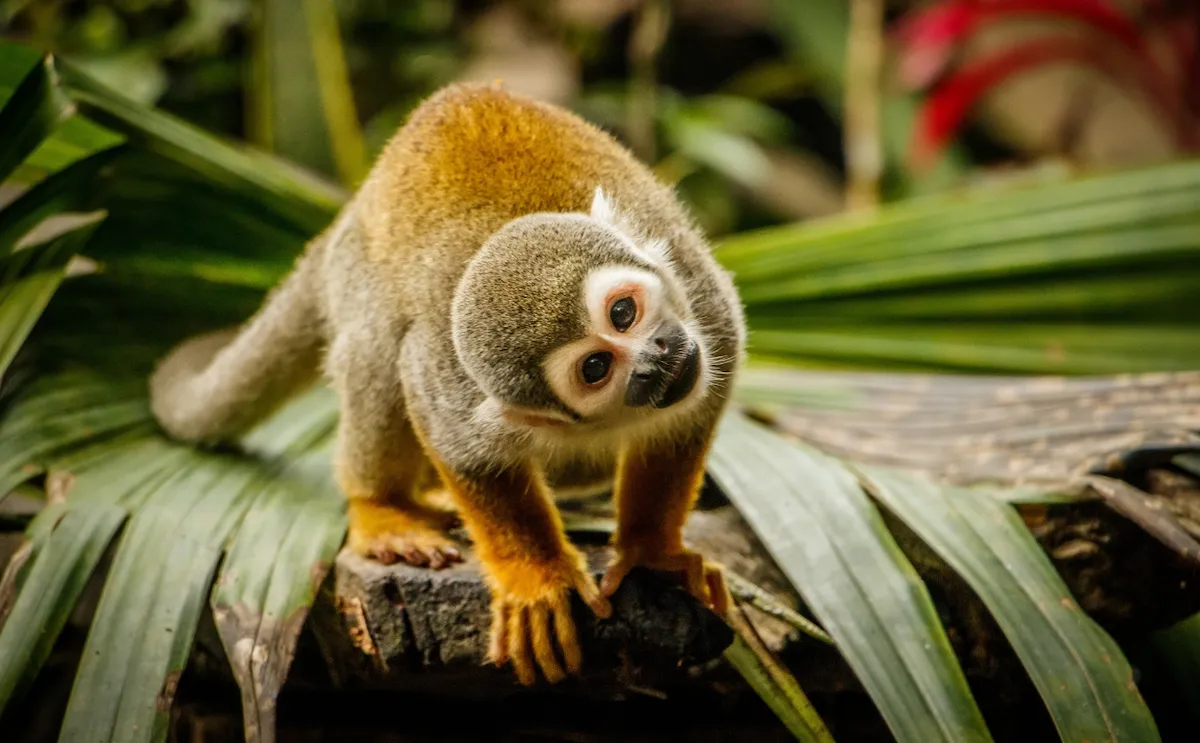
Look for pink river dolphins in calm channels, especially near river junctions. Bright macaws flash over the canopy, while troops of howler, squirrel, and capuchin monkeys move through fruiting trees.
Along sandy banks, capybaras graze in family groups. Night boat rides often spot black and spectacled caimans by their eye shine.
The jaguar is the prize sighting, rare yet possible along open riverbanks, with better odds in quiet sections of Tambopata and Manu.
Plan outings at dawn and dusk, when cooler air boosts animal activity and light is perfect. For a clear overview of iconic species, see this short guide to an overview of the animals of the Peruvian jungle.
Birdwatching Highlights
Macaw clay licks are unforgettable. Hundreds of parrots gather at mineral-rich cliffs at first light, a spectacle you can witness in Tambopata. Climb canopy towers for toucans, aracaris, and raptors.
Scan river islands for specialty birds like spinetails and antwrens. Bring 8x or 10x binoculars and keep a simple checklist with macaws, hoatzins, herons, kingfishers, and jacamars.
Guides often carry scopes to help you lock in views.
Local Culture and Visiting Communities Respectfully
Visits work best when you follow local norms and your guide’s lead. Simple etiquette goes a long way:
Ask before photos, especially of people or homes.
Dress modestly and skip flashy gear.
Buy crafts directly from makers to support families.
Listen to your guide about greetings, gifts, and timing.
Respectful visits create pride, steady income, and better cultural exchanges for everyone.
Food and Drinks in the Amazon
Meals are fresh, hearty, and tied to the forest. Try paiche grilled or stewed, juane with rice and chicken wrapped in leaves, and tacacho with crisp pork and green plantain.
Sip cold juices from camu camu, cocona, and aguaje. Many lodges handle vegetarian and vegan diets with advance notice, and offer filtered water, safe salads, and plenty of fruit.
Fall in love with the Peruvian food during your time in this wonderful country.
Practical Tips: Packing, Health, Safety, Connectivity, and Photography
You want your Peruvian Amazon trip to feel easy and well planned. Use this checklist to stay comfortable, healthy, and ready for great photos without stress.
What to Pack for the Peruvian Amazon
Pack light layers that handle heat, humidity, and showers.
Breathable long-sleeve shirts and long pants
Light rain jacket, wide-brim hat, quick-dry socks
Insect repellent with DEET or picaridin, high-SPF sunscreen
Binoculars, dry bags, headlamp, and a power bank
Many lodges provide rubber boots for muddy trails, so you can skip packing heavy footwear. A small first-aid kit and refillable water bottle help day to day. For a quick gear refresher, see this practical what to wear amazon rainforest checklist.
Vaccinations and Health Precautions
Book a travel clinic visit well ahead of your dates. Ask about yellow fever recommendations, malaria prevention, and staying current on routine shots. The CDC traveler page for Peru outlines risks and vaccines.
Drink only filtered or bottled water, which most lodges supply. Carry personal medications and a few electrolyte packets to stay hydrated. If you feel unwell, tell your guide promptly so they can help.
Staying Connected and Power
Expect limited or scheduled Wi-Fi. Electricity at lodges often runs at set hours, typically 220V. Pack a universal adapter and extra batteries for cameras and headlamps.
Local SIMs work in towns like Iquitos or Puerto Maldonado, but reception fades in the deep jungle. Download maps, playlists, and books before you arrive.
Also, make sure to take the right electrical plug with you for your trip to Peru.
Safety in the Rainforest
Stay with your guide, keep a steady pace on wet trails, and use life jackets on boats. Do not swim unless your guide confirms a safe spot.
Store snacks in sealed bags to avoid ants and monkeys. Sunrises and sunsets hover near 6:00 and 18:00, helpful for timing outings.
Photography Etiquette and Drone Rules
Low light under the canopy calls for higher ISO, image stabilization, or a small travel tripod. Wipe lenses often to handle humidity, and keep gear in dry bags. Maintain respectful distances from wildlife, and ask before photographing people.
Drones can be restricted in protected areas and may require permits. Always confirm with your operator before packing one.
Sample Itineraries and Top Tours in 2026
Here are well-paced, ready-to-book outlines that suit long weekends or 4-5 day escapes. Each balances wildlife time with comfort, and operators adjust routes to match water levels.
Choose what fits your style, then let your guide fine-tune the plan once you arrive in the Peruvian Amazon. With our customized tours are also individual adjustments possible!
3-Day Iquitos Adventure: River Cruise, Wildlife, and Sunset Magic
Day 1: Arrive in Iquitos, cruise the Amazon River, and visit Monkey Island where ethical, conservation-led encounters guide your time. Settle into your lodge, then take a quiet sunset boat ride to watch the forest shift at dusk.
Day 2: Dawn birding along calm channels, a fun, safe piranha fishing lesson, and a guided night walk to spot frogs, shy snakes, and sloths.
Day 3: Walk Yanamono Island to see towering Victoria water lilies, return for a relaxed farewell lunch, then transfer for your flight. Exact stops may change by season and operator, but the pace stays easy.
4-Day Iquitos Immersion: Community Visit and Canoeing
Days 1-3 mirror the 3-day plan, with extra time for pink river dolphins and slow creek birding. Include a respectful community visit led by your guide, focused on conversation, fair craft purchases, and no staged interactions.
Day 4 adds a peaceful canoe on a side river for close birdlife and water lilies, followed by a low-stress return to Iquitos.
Alternative Multi-Day Trips: Puerto Maldonado and Manu
Puerto Maldonado, 3 days: Quick flights, calm lodges, dawn macaw clay licks, and giant river otters on an oxbow lake. Short hikes and night safaris keep days smooth.
Manu, 5 days: Deeper biodiversity with permits, expert guides, and river time built in. Start in Cusco, combine road and boat travel, and expect big bird lists, tapir tracks, and canopy lookouts.
Experience our 16-day Peru tour with Puerto Maldonado for an unforgettable time in Peru.
Luxury Amazon Cruises
Ideal if you want hotel-level comfort with ever-changing river views. Expect private cabins, fine dining, and guided daily excursions, with routes that adapt to water levels.
From Planning to Paradise: Making Your Amazon Journey Effortless
The Peruvian Amazon rewards thoughtful planning with rare wildlife, peaceful waterways, and rich cultural encounters. Choose your gateway wisely, Puerto Maldonado for easy lodge stays, Iquitos for pink dolphins and river adventures, or Manu for untouched biodiversity and expert-led tours.
With upgraded eco-lodges, skilled guides, and stronger community-based tourism in 2026 , exploring the rainforest has never been more comfortable or responsible. Pack light, trust your guide, and let nature do the rest.
Ready to make your Amazon journey effortless and unforgettable? Get a free quote today for your once-in-a-lifetime jungle trip.
Frequently Asked Questions About Peruvian Amazon Travel
When is the best time to visit the Peruvian Amazon?
The best time to visit the Peruvian Amazon is usually the dry season, from about May to October. Rainfall is lower, many trails are less muddy, and river levels drop, which helps with land-based wildlife viewing. The wet season, from roughly November to April, has heavier rains and higher river levels, which can be better for canoe trips and exploring flooded forests but can bring more insects and heat. Your choice depends on whether you prefer easier hiking and less rain or fuller rivers and more chances to explore by boat.
Which gateway should I choose: Iquitos, Puerto Maldonado, or Manu?
Iquitos is a large Amazon city reachable only by flight or river, and it is a common base for river cruises and lodges along the Amazon and its tributaries. Puerto Maldonado is easier to pair with visits to Cusco or Machu Picchu and offers many jungle lodges, including options near Tambopata National Reserve. Manu is known for its high level of biodiversity and more remote feel, often with longer travel times and more nature-focused itineraries. Your choice should match your schedule, budget, and the level of comfort or remoteness you want.
What should I pack for a trip to the Peruvian Amazon?
Pack light, quick-dry clothing, long-sleeve shirts, and long pants in breathable fabrics to protect from sun and insects. Bring a wide-brimmed hat, sunglasses, sunscreen, and strong insect repellent with DEET or an effective alternative. Waterproof or water-resistant shoes, sandals for the lodge, and a light rain jacket are helpful. Add a refillable water bottle, personal medicines, basic first aid items, and dry bags for electronics such as phones and cameras. Many lodges provide rubber boots and some gear, so check with your operator before packing.
Do I need vaccines or malaria tablets for the Peruvian Amazon?
Travelers should speak with a travel medicine doctor before visiting the Peruvian Amazon. Many visitors receive a yellow fever vaccine if they plan to enter jungle regions, since parts of the Amazon are considered risk areas. A doctor may also recommend malaria prophylaxis, depending on which zone you visit and for how long. Routine vaccines such as tetanus, measles, and hepatitis A are often updated as well. Local lodges or tour companies can tell you which area you will visit so you can give accurate details to your doctor.
Is it safe to visit the Peruvian Amazon?
With a reputable tour operator or lodge, a trip to the Peruvian Amazon can be safe and well managed. Safety in the jungle depends on following guide instructions, staying on marked paths, and keeping a respectful distance from wildlife. In cities and river ports, basic travel habits apply, such as keeping valuables out of sight and using registered taxis or transfers. Booking with established companies that provide licensed guides, life jackets for boat rides, and clear safety briefings adds another layer of protection for your trip.
Hola Olivia! Gracias por tu mensaje. Para visitar la Amazonía peruana, no es obligatorio la vacuna contra la fiebre amarilla. Lo mejor sería si consultes con tu médico de confianza antes de viajar. Si tienes más preguntas o necesitas más información, no dudes en escribirnos por correo via [email protected]!
Konsti from Exploor Peru14 October, 2023 at 8:42 am
Hi Tamarah,
Konsti from Exploor here and thanks for your comment.
Please have a look at our blog post about the weather in Iquitos. After that, you should know all about the dry and rainy season and when the best time for your adventure is.
In case you have any other questions, then feel free to contact us via email: [email protected]
Hi Guys, I have heard that the mosquitos and bugs are just TERRIBLE in the jungle. How is the accommodation that you are offering? Is it well protected?
Konsti from Exploor Peru12 March, 2022 at 10:11 am
Hello Richard, great to hear from you! Yes, the mosquitos are terrible and make sure to have enough insect repellent with you! No worries, you get to sleep in comfortable beds in rooms that are entirely protected by mosquito nets so the bugs don’t bother you at night. Therefore you will get enough rest and no Mosquito bites. 🙂









Olivia10 January, 2025 at 6:03 pm
Hola Exploor Peru, gracias por la guía. Tengo una consulta, necesito vacuna para la fiebre amarilla para visitar la amazonía?
Oliver from Exploor15 January, 2025 at 10:09 am
Hola Olivia! Gracias por tu mensaje. Para visitar la Amazonía peruana, no es obligatorio la vacuna contra la fiebre amarilla. Lo mejor sería si consultes con tu médico de confianza antes de viajar. Si tienes más preguntas o necesitas más información, no dudes en escribirnos por correo via [email protected]!
Tamarah12 October, 2023 at 6:54 am
What is the best time to discover the jungle in Iquitos?
Konsti from Exploor Peru14 October, 2023 at 8:42 am
Hi Tamarah,
Konsti from Exploor here and thanks for your comment.
Please have a look at our blog post about the weather in Iquitos. After that, you should know all about the dry and rainy season and when the best time for your adventure is.
In case you have any other questions, then feel free to contact us via email: [email protected]
Best,
konsti
Richard K10 March, 2022 at 1:52 pm
Hi Guys, I have heard that the mosquitos and bugs are just TERRIBLE in the jungle. How is the accommodation that you are offering? Is it well protected?
Konsti from Exploor Peru12 March, 2022 at 10:11 am
Hello Richard, great to hear from you! Yes, the mosquitos are terrible and make sure to have enough insect repellent with you! No worries, you get to sleep in comfortable beds in rooms that are entirely protected by mosquito nets so the bugs don’t bother you at night. Therefore you will get enough rest and no Mosquito bites. 🙂
Best,
team exploor