Several treehouse lodges are available in the rainforest, offering an immersive experience that allows you to live among the treetops. These lodges are usually built from sustainable materials and offer stunning views of the rainforest canopy.
Exploring the Amazon on a riverboat is a unique way to experience the rainforest. Cruises usually last 3-4 days and offer opportunities to see wildlife, visit indigenous communities, and learn about the history and ecology of the region. Check out our 12-day Amazon to Andes tour for more information.
Many eco-lodges are available in the rainforest, offering comfortable and sustainable accommodations that blend into the natural surroundings. These Amazon lodges often incorporate locally sourced materials and are designed to have minimal impact on the environment.
For everyone who is interested in cultural immersion, homestays with indigenous communities are available in the rainforest. These homestays offer you a chance to learn more about traditional customs, participate in local activities, and enjoy local cuisine.
Canopy walkways are elevated walkways that allow you to explore the rainforest canopy. Several lodges are located near canopy walkways, offering stunning views and a unique perspective on the rainforest.
The Amazon River Journey

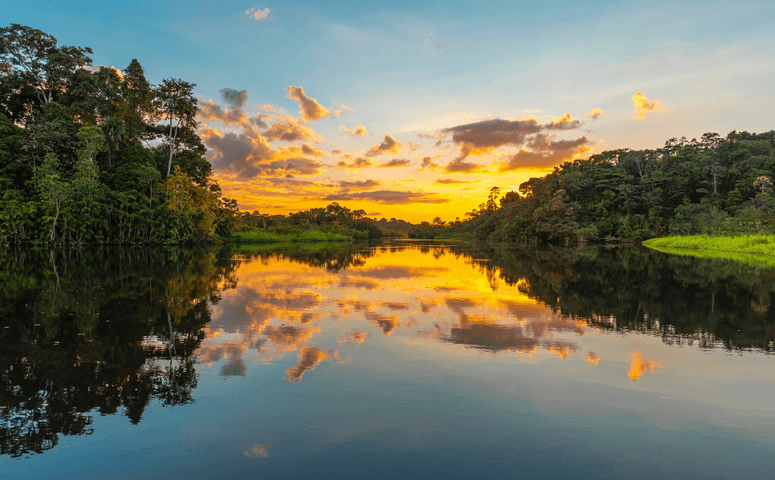
An Amazon River cruise provides you an unforgettable adventure through one of the planet’s most diverse and complex ecosystems, starting from the busy city of Iquitos, Peru.
Wildlife viewing, guided tours to indigenous communities, and interactions with natural resources are just a few of the highlights you will experience on this trip. Here are a few of the key rest stations and attractions:
- National Reserve of Pacaya Samiria: This protected area, with its extensive floodplains, lagoons, and serpentine rivers, is a highlight of the tour. An astonishing variety of animals, including pink river dolphins, anacondas, monkeys, and hundreds of different bird species, may be found in the reserve.
- The Bora Indigenous Community: The Bora tribe is one of the indigenous groups that have traditionally lived near the Amazon River. You can learn more about their traditions and customs and shop for locally produced goods.
- Yanayacu-Pucate River: Travelers can discover endangered species like the Hoatzin bird and the Amazonian manatee in this tributary’s amazing habitat of floating islands built of plants.
- The Tahuayo River: Tourists are able to see pink river dolphins, caimans, and other wildlife along the banks of this tributary, which is one of the Amazon’s most biodiverse regions. Many indigenous populations, like the Yagua people, call the region home.
- The Maranon River: One of the major tributaries of the Amazon River, it provides breathtaking views of the surrounding jungle and opportunities to interact with many animals, including capybaras, howler monkeys, and macaws.
Indigenous Culture and Traditions

Below is an overview of some of the indigenous groups that live in the Amazon rainforest, along with details on their rituals and cultural practices:
- The Shipibo-Conibo: This tribe is known for its beautiful textiles, which are created with natural color and designs that represent the clans religious beliefs. The tribe is also well known for the use of a traditional medical system that relies on herbal remedies and spiritual healing.
- The Bora: The Bora have a strong connection to nature and consider all living things to be gifted with souls. Its traditional chants, which typically involve flutes, drums, and maracas and include songs that describe the jungle and its inhabitants, are well recognized.
- The Yagua: The language of the Yagua tribe is unique and very special as it includes whistling sounds. They also use harpoons and nets to catch fish in the river as part of their traditional fishing techniques. The Yaguas are excellent artisans who construct blow darts, woven baskets, and other hunting equipment. You can learn more about this tribe in our 3-day Iquitos jungle tour.
- The Matses: This group is recognized for their in-depth knowledge of the rainforest and all of its unique resources, including plants and animals that are useful in medicine. They are also skilled hunters, catching prey with spears and blow darts. The Matses practice shamanism and apply hallucinogenic plants as part of their complex spiritual philosophy.
Peru’s Amazonian indigenous groups have a rich cultural heritage that has been passed down through the generations. Their traditions and behaviors are deeply rooted in the natural environment and show a deep knowledge and respect for the jungle and its resources.
Consider spending some time learning about and appreciating the cultural customs and traditions of the indigenous groups that call the Amazon rainforest home if you ever have the chance to travel there.
Exploring the Natural Wonders of Peru’s Great Amazon River

The journey along Peru’s Great Amazon River is an incredible adventure that takes you through some of the world’s most biodiverse and stunning natural landscapes. From encounters with wildlife to visits to indigenous communities and natural wonders, there is no shortage of highlights along the way.
As you journey through this incredible region, it becomes clear just how important it is to protect and conserve the rainforest and its ecosystems. Being far away from civilization and getting to enjoy pure nature is an unforgettable experience. Make sure to pack accordingly so you can enjoy your time to the fullest.
After reading all of this, are you ready for your Amazon jungle tour? We hope to discover the jungle with you soon!
Frequently Asked Questions About Amazon River Travel in Peru
When is the best time of year to visit the Amazon River in Peru?
The best time to visit the Peruvian Amazon is usually during the dry season, from about May to October. Rainfall is lower, trails are less muddy, and there are fewer mosquitoes. River levels can still change, but boat excursions and jungle walks are more comfortable and more reliable. The wet season, from November to April, brings heavier rain and higher water levels, which means you can explore deeper flooded forest but may face more insects and trip changes.
What are the main starting points for Amazon River trips in Peru?
Most travelers start Amazon River trips in Peru from two main cities, Iquitos and Puerto Maldonado. Iquitos is a large river city in the north that you can reach only by flight or boat, and it is a common base for multi-day river cruises and lodge stays along the Amazon and its tributaries. Puerto Maldonado, in the south, connects easily by road and air with Cusco and Lima, and it serves as a gateway to rainforest lodges near the Madre de Dios River and nearby protected areas.
How many days do I need for an Amazon River tour?
Plan at least 3 to 4 days for an Amazon River tour in Peru so you have enough time to adjust, explore, and spot wildlife. Shorter trips often feel rushed, since boat transfers, weather, and early morning activities affect your schedule. A 4 to 5 day stay gives you a better chance to see more species, visit different habitats, and include both daytime and nighttime excursions.
What wildlife can I expect to see along the Amazon River in Peru?
Along the Amazon River and its tributaries in Peru, travelers often see pink and gray river dolphins, monkeys, sloths, caimans, and many bird species like macaws, herons, and kingfishers. In some areas you may also spot giant river otters, capybaras, or poison dart frogs. Wildlife sightings are never guaranteed, but guided outings at dawn and dusk tend to offer the best chances to observe animals when they are most active.
Is the Amazon River in Peru safe to visit?
The Amazon River in Peru is generally safe for visitors who travel with reputable tour operators and follow guide instructions. The main risks come from natural factors, such as strong sun, insects, river currents, and heat. You reduce these risks by packing long sleeves, insect repellent, sun protection, and proper shoes, and by avoiding swimming in unknown areas. Booking licensed guides and lodges also adds security and local knowledge about weather, river conditions, and health guidelines.






Dewalt30 November, 2024 at 10:58 am
Hi there. I’d like to know which place in the amazon rainforest is accessible by boat from Leticia Colombia? And also…i want to visit a dense part of the jungle…any advice and also what it might cost? Regards
Judy Thompson21 September, 2023 at 8:40 am
The Amazon river is really astonishing, I can’t wait to visit! Thanks for this valuable information
Oliver from Exploor22 September, 2023 at 3:19 pm
Glad you liked it, Judy. Thanks for your comment!
Anna Conte15 March, 2023 at 6:00 am
We can’t wait to connect with the unique flora and fauna of the peruvian jungle. Are 3 days ok to visit the jungle?
Konsti from Exploor Peru23 March, 2023 at 9:14 pm
Hello Anna,
thank you for your comment.
The 3-day Jungle Experience in Iquitos is fantastic and covers the essentials of a unique time as you explore the jungle, enjoy a riverboat tour on the Amazon, learn more about a local tribe, and visit Monkey Island.
If you have any further questions, please feel free to contact us.
Best,
Konsti