Key Takeaways
- The best Peruvian souvenirs include Andean textiles, alpaca wool garments, traditional ceramics, silver jewelry, and regional food and drink like coffee, cacao, aji amarillo, Maras pink salt, and Pisco.
- Many items are handmade using ancestral techniques, so buying them supports local artisans and helps preserve living traditions.
- Key craft regions include Cusco, the Sacred Valley, and Ayacucho, with designs inspired by Inca symbols, Andean cosmology, and sacred animals.
- Alpaca wool is warm, soft, light, and durable, which makes it a practical and meaningful gift or travel essential.
- Booking Exploor Peru customized tours lets you meet artisans, visit workshops, and find authentic pieces with cultural context.
Peru is more than Machu Picchu and postcard-worthy landscapes, it’s a country where centuries of tradition, craftsmanship, and cultural pride live on in every corner. And one of the most beautiful ways to connect with Peru long after your trip ends? Bringing home a piece of it.
Wander through the colorful markets of Cusco or the Sacred Valley, and you’ll quickly see that souvenirs here are anything but ordinary. From handwoven Andean textiles dyed with natural colors to detailed ceramics inspired by Inca patterns, every item tells a story of the land, of the people, and of generations who’ve preserved their art with love.
Looking for something meaningful? A soft alpaca scarf keeps you warm while reminding you of highland villages. Silver jewelry from local artisans carries the energy of ancient symbols. And let’s not forget the hand-carved gourds and musical instruments that add a unique touch to your home.
For us at Exploor Peru, these souvenirs are more than travel mementos, they’re a way to stay connected to the moments, places, and people that made your adventure unforgettable.
Planning your trip? With our customized tours, you’ll visit the artisans themselves, learn their stories, and support their communities. Because the best souvenirs aren’t just bought, they’re experienced.
Woven Memories: The Timeless Art of Andean Textiles

When you think of Peru, it’s hard not to picture the vibrant, handwoven textiles that fill markets across the Andes. But these pieces are more than just colorful, they carry stories. Every thread, pattern, and color reflects the weaver’s heritage, local traditions, and connection to nature.
Crafted mainly from alpaca or sheep wool and dyed with natural ingredients like plants and minerals, these textiles keep Peru’s bond with the earth alive in every stitch. Whether you’re holding a scarf, poncho, or table runner, you’re touching something made with patience, purpose, and pride.
What makes these creations so meaningful is the centuries-old technique behind them, passed down through generations. When you bring one home, you’re not just buying a beautiful keepsake, you’re supporting local communities and helping preserve an ancient art form.
Discover this living tradition yourself on our 8-day Peru tour, where you’ll visit weaving villages, meet local artisans, and explore the heart of Andean culture.
Mystical Keepsakes: Ceramics Inspired by Ancient Civilizations
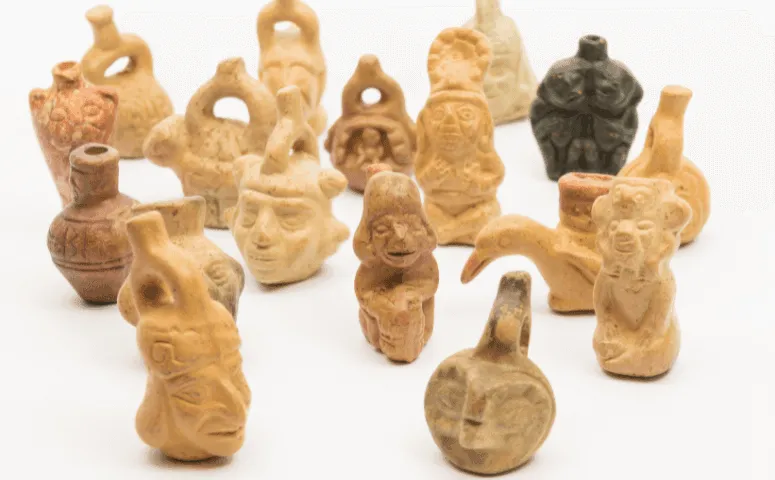
Peru’s deep history lives on in more than just ruins, it’s etched into the clay of its traditional ceramics. Influenced by the artistry of the Moche, Nazca, and Inca cultures, these handcrafted pieces often depict sacred animals, daily rituals, and ancient myths. Holding one feels like holding a story, shaped and painted by hands that carry generations of knowledge.
In regions like Ayacucho and Cusco, artisans still use natural clay and earth-based pigments, staying true to ancestral methods. Whether it’s a decorative vase or a ceremonial figurine, each piece is a tribute to Peru’s archaeological legacy.
Bringing one home means more than adding a beautiful object to your shelf, it’s a way to support local craftsmanship and keep the spirit of ancient Peru alive.
Jewels of the Andes: Handcrafted Silver and Stone Jewelry

In Peru, jewelry is more than adornment, it’s a reflection of heritage, spirit, and craftsmanship. In places like Cusco and Lima, skilled silversmiths blend precious silver with vibrant stones such as turquoise, lapis lazuli, and the fiery red Andean opal. Many pieces draw inspiration from Inca symbols and Andean cosmology, featuring designs like the chakana cross, the sun god, or sacred animals like the condor and puma.
Wearing a Peruvian ring, pendant, or bracelet means carrying a symbol of strength, protection, or connection to the natural world. Each piece is handcrafted with precision and purpose, using time-honored techniques passed down through generations.
Whether it’s a gift or a personal keepsake, this jewelry captures Peru’s artistic soul and gives you a piece of its living tradition to wear wherever you go.
Tastes to Remember: Traditional Peruvian Food and Drink

In Peru, every bite tells a story. That’s why for many travelers, the flavors linger just as vividly as the landscapes. Edible souvenirs are a delicious way to keep the experience alive and share it with others.
Think highland coffee beans, rich Amazonian cacao, fiery aji amarillo sauces, or the famous pink salt from Maras. Each product of Peruvian food is rooted in its region, crafted with care and generations of tradition. Whether it’s beans from the Amazon jungle or salt harvested in the Sacred Valley, you’re taking home more than flavor, you’re taking home a story.
And of course, there’s Pisco. This iconic spirit is perfect for mixing up a Pisco Sour and toasting to your adventure, long after you’ve returned home. Learn more about the incredible Pisco culture in Peru!
Small in size, big in tradition, these edible keepsakes let you relive one bite (or sip) at a time and make your Peru tour even more memorable.
Warm Traditions: Alpaca Wool Clothing and Accessories

There’s a reason alpaca wool is one of Peru’s most cherished natural treasures. Softer than sheep’s wool and warmer than cashmere, it’s the perfect blend of comfort and function. Whether it’s a scarf, sweater, or a pair of gloves, alpaca garments are lightweight, durable, and ideal for layering, making them the ultimate travel companion or thoughtful gift.
But what truly sets these pieces apart is their story. In the high Andes, local communities have cared for alpacas for centuries, shearing them with respect and weaving by hand using time-honored techniques. Each garment reflects this deep connection to the land and the people who live in harmony with it.
Wearing an alpaca isn’t just about staying warm, it’s about wrapping yourself in a piece of Peru’s living heritage. Therefore, make sure to learn more about the differences between llamas and alpacas while travelling through Peru.
Sacred Symbols: Unique Handicrafts with Spiritual Meaning

In Peru, tradition and spirituality go hand in hand and many local crafts reflect this deep connection to the natural and spiritual world. Whether it’s a small figurine of Pachamama (Mother Earth) or a carefully prepared despacho offering, these meaningful items are rooted in Andean beliefs about harmony, gratitude, and protection.
Used in rituals or kept at home to invite balance and blessings, these handicrafts go far beyond decoration. You’ll also find hand-carved wooden crosses with Andean symbols, ceremonial masks, and intricate pieces used in local festivals, each telling a story of community, faith, and the sacred bond with nature.
Bringing one home isn’t just about owning a beautiful artifact, it’s about carrying a piece of Peru’s spiritual essence and timeless wisdom with you. Therefore, make sure to learn more about Peru’s culture and tradition as this country will truly impress you.
More Than Just Souvenirs: Treasures That Keep Peru Close
Taking home a souvenir from Peru isn’t just about collecting objects, it’s about carrying the spirit of your journey with you. Every handcrafted textile, ceramic piece, or silver necklace holds the colors, textures, and stories of the people who made them.
To truly connect with Peru and find the most meaningful souvenirs, exploring with a trusted and experienced guide makes all the difference. At Exploor Peru, we specialize in customized tours that go beyond the ordinary,from local workshops to hidden artisan markets.
Contact usand we’ll help you to uncover the heart of the country and make every moment count.
Frequently Asked Questions About Souvenirs from Peru
What are the most authentic souvenirs to buy in Peru?
Handwoven Andean textiles, alpaca wool clothing, traditional ceramics, handcrafted silver jewelry with Inca and Andean motifs, and regional food and drink like highland coffee, Amazonian cacao, aji amarillo sauces, Maras pink salt, and Pisco are authentic options tied to place and tradition.
Why do Peruvian souvenirs carry cultural meaning?
Many items are created with techniques passed down for centuries, reflect local symbols and stories, and are made by artisans who keep their communities’ heritage alive, so each piece represents culture, place, and people.
Where can I find quality artisan goods in Peru?
Look in the markets and artisan villages around Cusco and the Sacred Valley, and in regions known for specific crafts, such as Ayacucho for ceramics, or join Exploor Peru customized tours to meet artisans and visit workshops directly.
What makes alpaca wool a good purchase?
Alpaca wool is softer than sheep’s wool, warmer than cashmere, lightweight, and durable, which makes scarves, sweaters, and gloves both functional and meaningful, with roots in high Andean communities.
What symbols and materials appear in Peruvian jewelry?
Artisans in Cusco and Lima often craft silver pieces with stones like turquoise, lapis lazuli, and Andean opal, featuring designs inspired by the chakana cross, the sun god, and sacred animals such as the condor and puma.






Matthew D896 September, 2025 at 7:58 am
A friend is always buying me coffee and superfoods such as Maca or Lucuma from Peru. I am super happy about these souvenirs and they are great! Next to that, I am a big fans of the small “torritos” which bring luck.
Konsti from Exploor Peru6 September, 2025 at 9:10 am
That’s wonderful! It sounds like your friend knows exactly how to bring a little taste of Peru into your life. Maca, lucuma, and all those superfoods are not only delicious but full of tradition, and those little “torritos” are such a charming way to carry good luck with you. It’s amazing how small souvenirs can create such joyful connections to another culture!
Jeffrey Nicholsen1 September, 2025 at 10:19 am
I’m planning my first trip to Peru next spring and this post really helped me! I definitely want to bring back something authentic, not the typical touristy stuff. The alpaca scarves sound perfect (I live in Chicago so I’d actually use it a lot in winter 😅). Do you know if the markets in Cusco are a good place to buy, or is it better to go to smaller villages in the Sacred Valley?
Konsti from Exploor Peru3 September, 2025 at 7:32 am
Hello Jeffrey!
That’s wonderful to hear you’re planning your first trip to Peru! 😊
For authentic alpaca scarves, both Cusco and the Sacred Valley offer excellent options, each with its unique charm.
Cusco Markets:
Cusco’s artisan markets, such as the Centro Artesanal and Mercado San Pedro, are vibrant hubs where you can find a wide range of alpaca products. These markets are conveniently located and offer a variety of choices, from scarves to sweaters and blankets.
Sacred Valley Villages:
If you’re looking for something more unique and handcrafted, visiting smaller villages in the Sacred Valley, like Chinchero and Chahuaytire, is a fantastic option. The Center for Traditional Textiles of Cusco (CTTC) collaborates with these communities to promote traditional weaving techniques. By purchasing directly from these artisans, you not only acquire a genuine piece but also support the preservation of indigenous craftsmanship.
Tips for Authentic Purchases:
Look for Labels: Seek items labeled as “100% baby alpaca” or “100% alpaca” to ensure authenticity.
Natural Dyes: Products dyed with natural colors are often of higher quality and more unique.
Handwoven Items: Handwoven textiles typically indicate traditional craftsmanship.
Whether you choose the bustling markets of Cusco or the serene villages of the Sacred Valley, you’re sure to find a beautiful and authentic alpaca scarf to remember your Peruvian adventure.
Safe travels, and enjoy your trip! 🧣✨