This 8-day Peru itinerary starts at sea level in Lima and Huacachina, then moves gradually to Cusco (about 11,000 feet or 3,350 meters), Rainbow Mountain (about 17,000 feet or 5,182 meters), and Lake Titicaca so travelers from the US and Canada adjust to altitude in a safe, comfortable way.
The route covers Peru’s core highlights in one week of vacation time, combining Lima’s coast, the Huacachina desert oasis, Cusco, the Sacred Valley, Machu Picchu, Rainbow Mountain, and Lake Titicaca without feeling rushed.
Costs for a guided 8-day Peru trip in 2026 usually range from about USD 2,300 to 2,500 per person for comfort level, USD 2,700 to 3,300 for premium, and USD 3,500 to 5,000+ for luxury, excluding international flights.
Dry season from May to September is the most reliable time for this itinerary, especially for Machu Picchu and high-altitude hikes, while shoulder months like May and September offer fewer crowds and green season from October to April brings lower prices but more rain.
Booking a structured 8-day tour with local experts like Exploor Peru, including Machu Picchu tickets, trains, domestic flights, and guided visits, removes complex logistics and lets travelers focus on food, culture, and time with local families in the Andes.
You want Peru in one trip: Pacific coast, golden desert, Inca heartland and a sacred high-altitude lake, without feeling rushed or stressed. This 8-day Peru itinerary is built exactly for that.
You start at sea level in Lima and Huacachina, then move slowly up to Cusco, the Sacred Valley, Machu Picchu, Rainbow Mountain and finally Puno and Lake Titicaca. It follows the same smart pacing as Exploor Peru’s popular 7 day Peru itinerary, but adds Lake Titicaca for a deeper Andean experience and richer local culture.
Across these 8 days you balance comfort, food and immersive moments with local families and guides. You will also see clear cost ranges, the best time to travel in 2026, and practical tips for US and Canadian travelers.
If you prefer everything handled for you, you can have this route set up as a done-for-you trip with Exploor’s 8-Day Peru Tour with Machu Picchu and Titicaca or a custom version built around your dates and budget.
8 Day Peru Itinerary At A Glance
Here is the full route in one view so you can picture the flow.
Day 1: Arrive in Lima, sleep in Miraflores, sunset walk along the Malecón.
Day 2: Full-day trip to Huacachina oasis, dune buggy and sandboarding, return to Lima or stay near Ica.
Day 3: Morning flight to Cusco, gentle city tour (Qorikancha, San Pedro Market, Sacsayhuamán).
Day 4: Sacred Valley highlights, including Maras, Moray, Ollantaytambo, train to Aguas Calientes.
Day 5: Guided visit of Machu Picchu before the crowds, back to Cusco or Sacred Valley.
Day 6: Early day trip to Rainbow Mountain (Vinicunca) or an easier alternative, overnight in Cusco.
Day 7: Travel from Cusco to Puno region by plane (or take the panoramic Titicaca train if you have an extra day), explore Uros floating islands on Lake Titicaca, overnight on the lake.
Day 8: Sunrise at Lake Titicaca, short visit to more islands or viewpoints, travel back to Lima for your flight home.
This structure mirrors the rhythm of Exploor’s 7-Day Peru Itinerary, just with one more day to breathe in Lake Titicaca without turning your trip into a race.
As always in our tours, you can adjust the pace and hotel style. Prefer slower mornings or extra foodie stops? No problem, as everything is customizable.
Why Does This 8-Day Route Work So Well For US Travelers?
If you are coming from the US or Canada, you benefit from frequent overnight or red-eye flights into Lima from hubs like Miami, Atlanta, Houston, LA, New York and Toronto. Starting at sea level in Lima helps your body deal with time zones and gives you a soft landing before the Andes.
The altitude strategy is simple and smart. You spend your first two days at or near sea level in Lima and Huacachina. Only on Day 3 do you fly to Cusco at about 11,000 feet (3,350 meters) and head to the Sacred Valley with lower elevation. By the time you visit Rainbow Mountain near 17,000 feet (5,182 meters) and then Lake Titicaca, your body has had several days to adjust.
In only 8 days you move through huge contrasts: Pacific cliffs, a natural desert oasis, Inca temples, pastel-colored mountains and the calm blue of Lake Titicaca. You see both the iconic sites and more personal snapshots of local life.
If you prefer small group or private touring to skip lines and long waits, you are in the right place. This plan was designed for US travelers, with timings and routes that avoid peak crowds. To see how that looks in practice, browse these curated Peru tours for US travelers. Now let’s dive into the itinerary!
Day-By-Day 8 Day Peru Itinerary Details (2026 Guide)
Day 1: How Do You Make The Most Of Your Arrival In Lima?
You land in Lima and transfer about 45 to 60 minutes to your hotel in Miraflores, depending on traffic. Keep this day light: check in, shower, then walk the clifftop Malecón and visit Parque del Amor for ocean views.
If you have energy, add a short trip to Barranco for street art and coffee. Enjoy fresh seafood or Peruvian fusion for dinner and head to bed early.
Budget around USD 20 to 40 for a private airport transfer and USD 15 to 45 per person for dinner. Choose a hotel with breakfast included to simplify mornings.
Day 2: What Do You Experience At The Huacachina Oasis And Desert?
You leave Lima early and drive 4 to 5 hours to the Ica region and Huacachina, a small oasis framed by vast dunes. On the way, you can visit a Pisco distillery for a short tour and tasting.
In Huacachina you join a dune buggy and sandboarding tour, usually around sunset, when the light turns the dunes gold. Expect to pay roughly USD 20 to 40 per person for the buggy plus sandboard, and USD 10 to 30 for meals if not included. You’ll return to Lima late, at around 22:00-23:00.
Worried about altitude before heading to Cusco? Read practical altitude sickness tips so you’ll be prepared.
Day 3: What Should You See On Your First Day In Cusco?
You fly from Lima to Cusco in about 1.5 hours, then transfer to your hotel for tea and a light lunch. In the afternoon, a guided city tour usually includes Qorikancha, San Pedro Market, and Sacsayhuamán for sweeping views and massive stone walls.
At 11,000 feet (3,350 meters) you focus on slow walking, hydration, and light meals, and you skip alcohol. Alternatively, you can head directly to the lower elevated Sacred Valley, which is great option for seniors.
Plan roughly USD 80 to 200 for the one-way flight and USD 70 to 150 per person for a quality city tour. Exploor’s guides keep the pace gentle and check in with you throughout the day.
Day 4: What Makes The Sacred Valley A Must-See Stop?
This is your full Sacred Valley day. You visit the salt pools of Maras, the circular terraces of Moray, and the stone terraces and alleys of Ollantaytambo. The scenery shifts from high plains to green valleys and small Andean towns.
Many travelers enjoy a traditional Andean buffet lunch with local products and time to see a textile center or artisan workshop. Slow travel wins here - plenty to see, but make time to look, listen and really take it in. Make sure not be rushed.
You return to Cusco for dinner and an early night or take the train to Aguas Calientes, which is what we recommend. Why? It allows you to avoid the crowds at Machu Picchu the next morning!
Day 5: How Do You Visit Machu Picchu In A Comfortable Way?
You start early from Cusco or sleep a bit longer at start from Aguas Calientes. From there, a short shuttle ride takes you up the mountain to Machu Picchu.
In 2026, entry is by timed slots and fixed circuits, so you book tickets and train times well ahead. Your guided visit lasts about 2.5 to 3 hours, with photo stops at classic viewpoints and clear stories about Inca history and daily life.
Some travelers add an extra short hike, depending on which Machu Picchu circuit you opt for. Trains, entry, bus, guide, and meals together often reach several hundred US dollars per person, which makes this one of the higher investment days of your trip.
Day 6: What Is It Like To Hike Rainbow Mountain From Cusco?
You leave Cusco very early by road to reach the Rainbow Mountain trailhead before many groups arrive. The main viewpoint at Vinicunca sits near 17,000 feet (5,182 meters), so this day comes only after several nights at altitude.
The hike usually takes several hours round trip, with time for photos and rest. You need warm layers, gloves, a hat, sunscreen, and snacks. On some routes, local families offer horses for part of the way if you prefer extra support.
Day 7: How Do You Travel From Cusco To Puno And Visit The Uros Islands?
You travel from Cusco to the Puno region either by internal flight to Juliaca plus road transfer, or by a scenic full-day train ride in the Titicaca train. If you opt for the latter option, you’d need to add one extra day, which is 100% worth it.
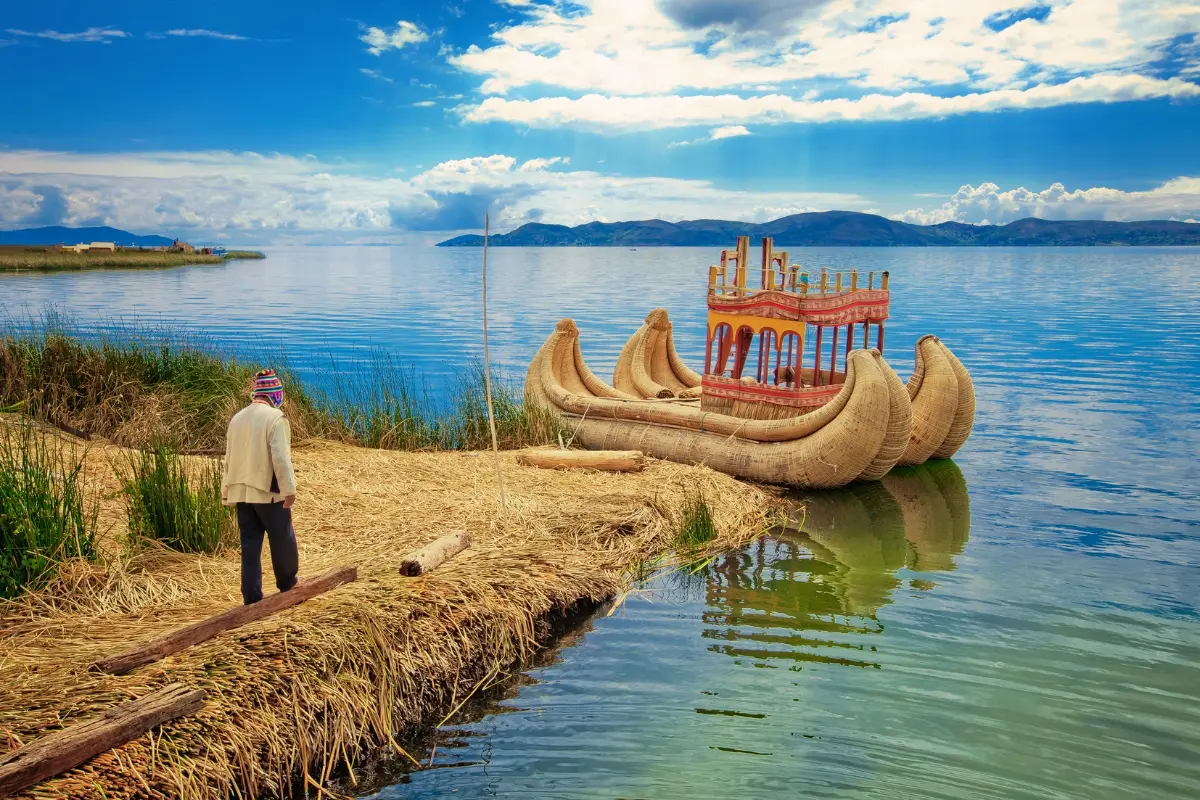
In the afternoon, you head out onto Lake Titicaca to visit the Uros floating islands, meeting families who build and maintain their islands from totora reeds. You learn how the islands are constructed and how daily life works on the lake.
Many travelers choose a rather simple but comfortable overnight stay on the lake for quiet sunsets and impressive stargazing. Budget for a domestic flight or train plus a guided Uros visit at a mid- to high-range cost level.
Day 8: What Happens On Your Final Morning At Lake Titicaca And Return To Lima?
You wake up to sunrise over Lake Titicaca, enjoy breakfast at your lodge or with your host family, and take a short final visit to nearby islands or a lookout. Then you transfer back to Puno or Juliaca airport and fly to Lima, usually in time to connect with your international flight.
It is smart to leave a good time buffer in case of delays. By the time you reach Lima’s airport again, you have combined coast, Andes and lake life in only 8 days, in a way that still felt relaxed and thoughtful.
If you like the idea of this coast-to-Andes-to-lake route but want help with flights, trains, tickets and hotels, you can contact Exploor Peru for a free quote and have your 8 days mapped out for you.
Ready to experience this exact route without the stress of planning?
What Optional Add-Ons Personalize Your 8-Day Peru Trip?
You can keep this structure and still tune it to your style. Think of this 8 day plan as your “base model”, which you can shorten or extend.
Food and culture fans can add taste-focused tours in Lima and Cusco. Comfort seekers can upgrade trains and pick more boutique hotels. Active travelers might keep Rainbow Mountain, while others swap it for softer hikes or extra Sacred Valley time.
Exploor can also shorten this to a 7-day Peru itinerary if you need to skip Lake Titicaca, or customize it it to a 10-day itinerary with more slow days in Cusco or a visit to the Amazon jungle. You choose what matters most: cuisine, local culture, walking or nature. Our travel expert then builds the right mix of experiences around that.
Which Food And Culture Experiences Can You Add In Lima Or Cusco?
In Lima, a half-day city and food tour is ideal if you want to taste ceviche, Amazonian dishes and street snacks while learning about neighborhoods like Barranco and Miraflores. In Cusco, a cooking class or alpaca walk is a great fit for couples or families who enjoy slower, interactive activities.
Culture-focused travelers should add at least one of these to deepen the trip beyond classic sights. You can use free time on Day 1 in Lima or swap Rainbow Mountain on Day 6 for an urban food or culture experience instead.
Should You Upgrade Your Train To Machu Picchu?
You can choose between standard tourist trains and upgraded services with bigger windows, quieter cars and included snacks or drinks. The train ride is part of the magic, so many travelers enjoy the extra comfort and scenic views of an upgraded class.
This change does not affect your schedule, it just makes the journey more pleasant. Luxury services cost more, but if you value calm and comfort, this is one of the easiest upgrades to add.
What If You Want Easier Hikes Or A Slower Pace?
If you worry about fitness or altitude, you do not have to skip the Andes. You can swap the classic Vinicunca hike for the easier Palccoyo version or use that day for another Sacred Valley or Cusco experience instead.
Older travelers, multi-generational families, or anyone with knee or heart concerns often prefer this. A private guide and tailored pacing help you keep the trip comfortable without missing the essence of the region.
What Does 8 Days In Peru Cost In 2026?
Prices vary by season, hotel category and group size, but here are honest ballpark ranges per person for 2026, excluding flights.
Tier
Approx. Range (USD)
What You Typically Get
Comfort
2,300-2,500
Good 3-star hotels, shared small-group or tours, standard train, key entries and transfers
Premium
2,700-3,400
Mix of 3.5-4-star hotels, more private tours, upgraded train, personalized support
Luxury
3,500-5,000+
5-star or boutique stays, only private tours, premium trains, high-touch service
Usually included: hotels, airport and hotel transfers, guided tours, Machu Picchu logistics, some meals, and main entry fees.
Usually not included: international/national flights, many lunches and dinners, tips and travel insurance.
For a clear comparison with a shorter 7 day Peru itinerary, you can also look at Exploor’s 8-Day Authentic Peru Tour and related packages to see how extra nights and different experiences affect the budget. The best way to know your real price is a custom quote based on your travel month, room type and what kind of experiences you prefer.
When Is The Best Time To Visit Peru For This 8-Day Itinerary?
Because this route includes Lima, Huacachina, Cusco, Rainbow Mountain, and Lake Titicaca, timing matters.
Dry season (May to September) is the classic choice. You get more stable weather in the Andes, which is ideal for Machu Picchu and high-altitude hikes. It also brings more visitors and higher prices, especially June to August. Shoulder months like May and September offer a good balance of clear skies and fewer crowds. For a month-by-month look, see the best time to visit Peru.
Green season (October to April) brings a mix of sun and showers in the highlands. Valleys look greener, and there are often better hotel deals. You must stay flexible around heavy rain, which can affect Rainbow Mountain access or make trails muddy. November is an excellent month if you can plan key activities in the morning and leave afternoons more open.
The coast, including Lima and Huacachina, is drier year-round, so the main calendar factor is your time in Cusco and Puno.
What Practical Tips Do US Travelers Need In 2026?
Here are key points to keep your 8 days smooth and stress-free.
Entry and documents: US and Canadian citizens usually enter Peru visa-free for short tourist stays, but your passport must be valid for at least 6 months. Check the latest updates on the Peru International Travel Information page before you book.
Money: Bring a mix of cards and some cash in soles. ATMs are common in cities. Keep small bills for markets, tips, and rural areas. More info in our guide to money exchange.
Safety: In Lima and Cusco, use common city habits: keep valuables close, use official taxis or pre-arranged transfers, and avoid isolated areas at night. Exploor’s pre-arranged drivers and guides add another layer of safety and comfort.
Luggage: Internal flights and trains can have baggage limits, so travel with one main suitcase and a daypack. Pack layers, as temperatures shift between coast and highlands.
Health and altitude: Drink plenty of water, eat light the first days at altitude, and avoid heavy drinking. Some travelers ask their doctor about altitude medication. Pay attention to how you feel and communicate with your guide.
Connectivity: Many visitors buy an eSIM or local SIM for data and use hotel Wi-Fi for heavier tasks. Guides often coordinate pick-ups and timing through WhatsApp.
Having a trusted local operator coordinate all transfers, tickets, and guides means you can relax and just enjoy the journey.
In only 8 days, you can enjoy a complete taste of Peru: Lima’s coast, the desert oasis of Huacachina, the history and energy of Cusco, the Sacred Valley, the magic of Machu Picchu, the colors of Rainbow Mountain, and the calm waters of Lake Titicaca.
The route is built around smart altitude pacing, comfort, and meaningful cultural moments, much like a refined 7 day Peru itinerary, but with that extra highlight at Lake Titicaca to deepen your Andean experience.
Your next step is simple. Think about your travel month, how active you want to be, and the comfort level that feels right. Then, let a specialist adjust this framework to your dates, hotels, and preferences.
If you want everything handled for you, from airport pick-ups to Machu Picchu slots, contact Exploor Peru to get a free quote and start planning your 2026 Peru adventure with confidence.
Frequently Asked Questions About An 8-Day Peru Itinerary
Is An 8-Day Peru Itinerary Enough To Visit Lima, Cusco, Machu Picchu, And Lake Titicaca?
Yes, 8 days is enough to visit Lima, Huacachina, Cusco, the Sacred Valley, Machu Picchu, Rainbow Mountain, and Lake Titicaca if the route and pacing are planned well. By starting at sea level in Lima and Huacachina for the first 2 days, then flying to Cusco on Day 3, your body has time to adapt to altitude before you visit higher points like Rainbow Mountain (about 17,000 feet or 5,182 meters) and Lake Titicaca. You will not see all of Peru, but you get a balanced mix of coast, desert, Inca history, and Andean lake culture in a single vacation week.
Why Does This 8-Day Route Work So Well For Travelers From The US And Canada?
This 8-day route works well for North American travelers because it uses common overnight or red-eye flights into Lima from major hubs, then starts at sea level so jet lag and altitude are easier to handle. You spend 2 nights at or near sea level in Lima and Huacachina, then fly to Cusco (about 11,000 feet or 3,350 meters) on Day 3, which gives your body time to adjust before you tackle high-altitude sites. The itinerary also fits neatly into a typical 8- to 9-day vacation window, including travel days, without adding long internal travel days back-to-back.
How Much Does An 8-Day Peru Trip Usually Cost In 2026?
For 2026, most travelers can expect to spend around USD 2,300 to 2,500 per person for a comfort-level 8-day Peru trip, USD 2,700 to 3,400 for a premium experience, and USD 3,500 to 5,000+ for a luxury version, not counting international flights. These ballpark prices usually include hotels, airport and hotel transfers, guided tours, Machu Picchu logistics, some meals, and main entry fees. They usually do not include international flights, many lunches and dinners, tips, or travel insurance. Group size, hotel category, and how many private versus shared tours you choose will shift your final cost.
When Is The Best Time To Do This 8-Day Peru Itinerary?
The best time for this 8-day Peru itinerary is during the dry season from May to September, when weather in the Andes is more stable for Machu Picchu and high-altitude hikes like Rainbow Mountain. June to August are the most popular and often the most crowded and expensive months. Shoulder months like May and September often bring a good mix of clear skies and smaller crowds. Green season from October to April has more rain in the highlands but greener valleys and better deals, as long as you stay flexible with activities that can be affected by heavy rain.
Do You Need Guided Tours For Machu Picchu, Rainbow Mountain, And Lake Titicaca?
Guided tours add clear value for Machu Picchu, Rainbow Mountain, and Lake Titicaca on an 8-day itinerary. At Machu Picchu, a licensed guide helps with entry rules, timed slots, fixed circuits, and local history, which makes the visit smoother and more meaningful. At Rainbow Mountain, a guide and organized transport are important because of altitude, changing weather, and route conditions; they also help coordinate options like horses offered by local families. On Lake Titicaca, guides manage logistics with Uros island communities so your visit respects local customs and fits your limited time without feeling rushed.