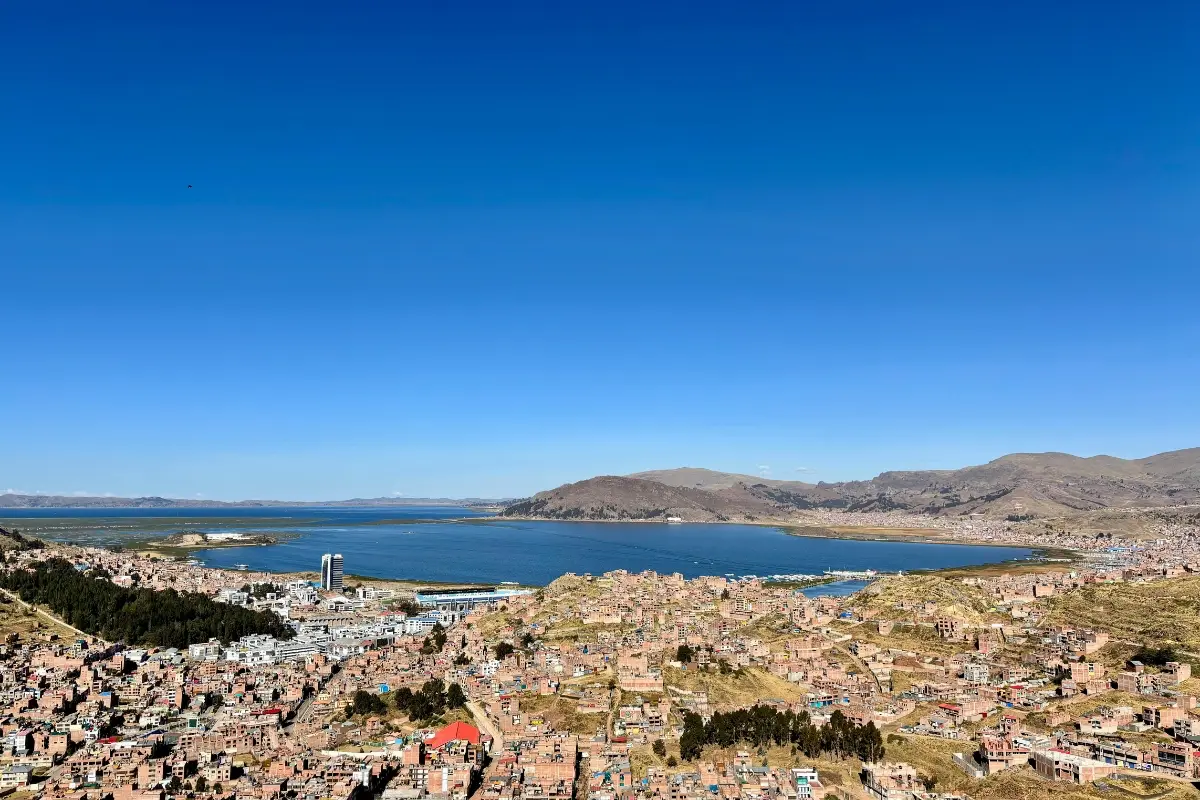
Landing in Cusco at a soaring 11,152 feet (3,400 meters) is an undeniably thrilling moment, until the cabin doors open and a sudden wave of dizziness hits your system. As you map out your Peruvian expedition, navigating the radical shifts in elevation across the country can feel a bit daunting. The Sacred Valley sits at a more manageable 9,200 feet (2,800 meters), the ancient citadel of Machu Picchu rests at 7,972 feet (2,430 meters), and Puno on the shores of Lake Titicaca climbs to a breathtaking 12,500 feet (3,812 meters).
Locals call this high-altitude reaction soroche, and it is completely normal to wonder how your body will handle the thinning alpine air.
Here is the reassuring reality: the vast majority of altitude sickness cases are mild, highly manageable, and resolve within 1 to 3 days with proper care. By approaching the mountains with a smart itinerary, a relaxed pace, and preventative habits from day one, you can significantly reduce your chances of feeling soroche. This guide lays out practical, medically grounded steps so you can explore the Andes with confidence.
Key Takeaways
- The elevation threshold. Altitude sickness in Peru typically starts once you ascend above roughly 2,500 meters (about 8,200 feet). It most frequently affects travelers touching down directly in Cusco or Puno.
- Recognizing the symptoms. Common signs of soroche include persistent headaches, mild nausea, dizziness, shortness of breath during light exertion, fatigue, and disrupted sleep. These usually appear within 6 to 24 hours of arrival.
- The golden rules of prevention. The best way to reduce risk is a gradual ascent: 1 to 2 acclimatization days at a mid-altitude destination, strict hydration, avoiding heavy or fatty meals, skipping alcohol for the first 48 hours, and listening to your body.
- When to treat vs. when to descend. Mild symptoms improve with rest, fluids, and doctor-approved medication like acetazolamide (Diamox). Severe symptoms, such as loss of coordination, confusion, or chest tightness, require immediate descent and urgent medical attention.
- Pre-trip medical consultations. Travelers with underlying cardiovascular, pulmonary, or other serious pre-existing conditions should consult their physician before booking high-altitude travel.
The reality check on fitness. There is a common travel myth that being in peak athletic shape shields you from soroche. It doesn’t. Because of how the body processes sudden drops in barometric pressure, a marathon runner is just as susceptible as a casual walker. The real advantage in the Andes isn’t lung capacity, it’s patience and proper pacing.
Ready to design a well-paced itinerary with Andean travel experts who prioritize your physical comfort? Contact us to talk to a Peru travel expert and get a custom quote built around your pace.
Altitude Sickness in Peru Explained: Symptoms, Risks, and Myths
At its core, altitude sickness is a straightforward problem: the higher you climb, the lower the atmospheric pressure drops. While the air still contains 21% oxygen, the molecules are spaced further apart. Every breath at high elevation delivers less oxygen to your bloodstream than at sea level, triggering your heart and lungs to work harder to compensate.

For most travelers, this manifests as mild Acute Mountain Sickness (AMS), which feels remarkably like a hangover. While rare, severe variations can develop if you push your body too hard: High Altitude Cerebral Edema (HACE), swelling in the brain, and High Altitude Pulmonary Edema (HAPE), fluid accumulation in the lungs. Both are serious medical emergencies that require one immediate remedy: descending to lower altitude right away.
For the clinical side of high-elevation travel, the CDC’s Travel to High Altitudes guide and the CDC Yellow Book chapter on high-altitude travel cover the underlying medicine in detail.
What Are Common Symptoms of Altitude Sickness?
Symptoms typically emerge anywhere from 4 to 36 hours after arrival at a high-altitude destination. Watch for these early signs:
- Throbbing headache (usually the first sign)
- Nausea, dizziness, or mild vomiting
- Shortness of breath during basic physical activity
- Unusual fatigue or muscle weakness
- Disrupted sleep patterns or insomnia
- Loss of appetite
- Mild swelling in your hands, feet, or face
For most people, these symptoms peak and begin to fade within 24 to 72 hours, provided you stay at the same elevation, rest, and keep your itinerary light.

Who Is Most at Risk? (And Why Fitness Won’t Shield You)
There is a persistent myth that youth, gender, or exceptional fitness protect against soroche. In reality, acclimatization is chemical, not muscular. Your body needs time to naturally trigger the production of more red blood cells to transport the limited available oxygen.
The factors that actually drive up your risk include:
- Rapid ascent (flying directly from sea-level Lima into high-altitude Cusco)
- A personal history of AMS on prior trips
- Dehydration from air travel or dry mountain climates
- Consuming alcohol or heavy, fatty meals immediately upon arrival
- Active respiratory infections, such as a head cold or sinus congestion
Critical Red Flags: When It Becomes Dangerous
Never try to “tough it out” if symptoms escalate. If you or a travel companion show any of the following, stop ascending immediately, get to lower altitude, and seek urgent medical care:
- A severe, blinding headache that fails to respond to pain medication
- Confusion, slurred speech, or difficulty thinking clearly
- Loss of physical coordination (inability to walk in a straight line)
- Severe, persistent shortness of breath even while resting
- A wet, rattling cough (sometimes producing pinkish or frothy sputum)
- Intolerable chest tightness or a racing heart rate while sitting still
- Blue or grey discoloration on the lips, tongue, or fingertips
How Long It Lasts: When Will You Feel Normal?
With a calm pace, mild altitude sickness usually clears within 2 to 3 days. The most effective strategy smart travelers use is bypassing an immediate high-altitude stay in Cusco upon landing.
By heading down into the nearby Sacred Valley or toward Machu Picchu, both thousands of feet lower than Cusco, you give your body a gentler environment to adjust. Once your system stabilizes, you can safely step up your activity and tackle higher mountain trails.
A Simple 4-Step Prevention Plan That Works in Peru
Acclimatization doesn’t have to be a stressful guessing game. By giving your body time, eating light, staying hydrated, and adjusting your sleep schedule, you can meaningfully reduce the worst of soroche.
This four-step prevention approach is based on the latest CDC guidelines for high-altitude travel and prevention.
1. Before You Fly: Consult a Doctor About Acetazolamide
If you have a history of severe altitude sickness or your itinerary requires a rapid ascent, ask your physician about a preventative prescription for acetazolamide (Diamox).
- Standard prevention dosage. The CDC’s standard adult prophylactic dose is 125 mg every 12 hours, starting the day before you reach altitude and continuing through the first 2 to 3 days. A higher 250 mg every 12 hours dose is reserved for treatment of active symptoms or for travelers your doctor identifies as higher risk, not as the default preventative dose.
- Side effects to expect. Acetazolamide is a mild diuretic: expect minor tingling in your fingertips or toes, increased urination, and a temporarily altered taste for carbonated beverages.
- Important contraindications. If you are pregnant or have a known sulfa allergy, discuss alternatives with your doctor. Never self-medicate without professional advice.
2. Arrival Day: Prioritize Hydration, Rest, and Light Meals
The moment your flight lands at high altitude, your body enters adaptation mode. Keep physical exertion minimal for the first 12 hours and practice these baseline habits:
- Hydrate strategically. Drink 2 to 3 liters of water throughout the day. The mountain air is exceptionally dry, and your lungs lose more moisture as you breathe faster.
- Replenish electrolytes. If plain water feels unappealing after a long flight, add oral rehydration salts or an electrolyte powder to your bottle.
- Dine lightly. High altitude slows digestion. Avoid heavy, fatty meals and opt for carb-forward, easily digestible food like quinoa soup, white rice, fresh fruit, and steamed vegetables.
- Avoid dehydrators. Skip alcohol entirely on arrival day, and keep caffeine modest, since both worsen dehydration.
3. First 48 Hours: Choose the Sacred Valley First
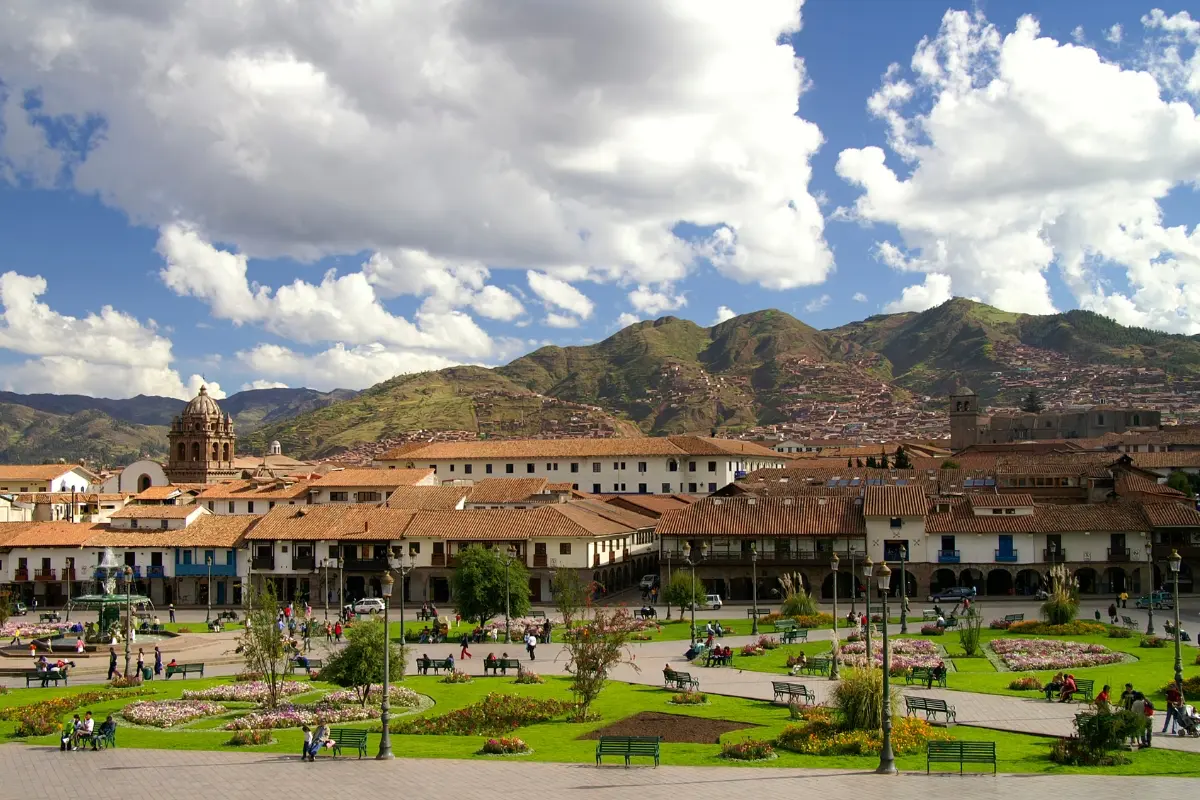
If your schedule allows, bypass staying in downtown Cusco right away. Arrange a private transfer or taxi straight into the Sacred Valley (towns like Urubamba or Ollantaytambo).
Because the Sacred Valley sits roughly 2,000 feet lower than Cusco, it gives your body a gentler, more oxygen-rich environment during the critical first 48 hours. Fill your initial days with relaxed walks, low-impact site visits, and no intense trekking.
4. Navigating Local Helpers: Coca Tea, Soroche Pills, and Oxygen
When you arrive in the Andes, you’ll be surrounded by regional remedies. Knowing how and when to use them helps:
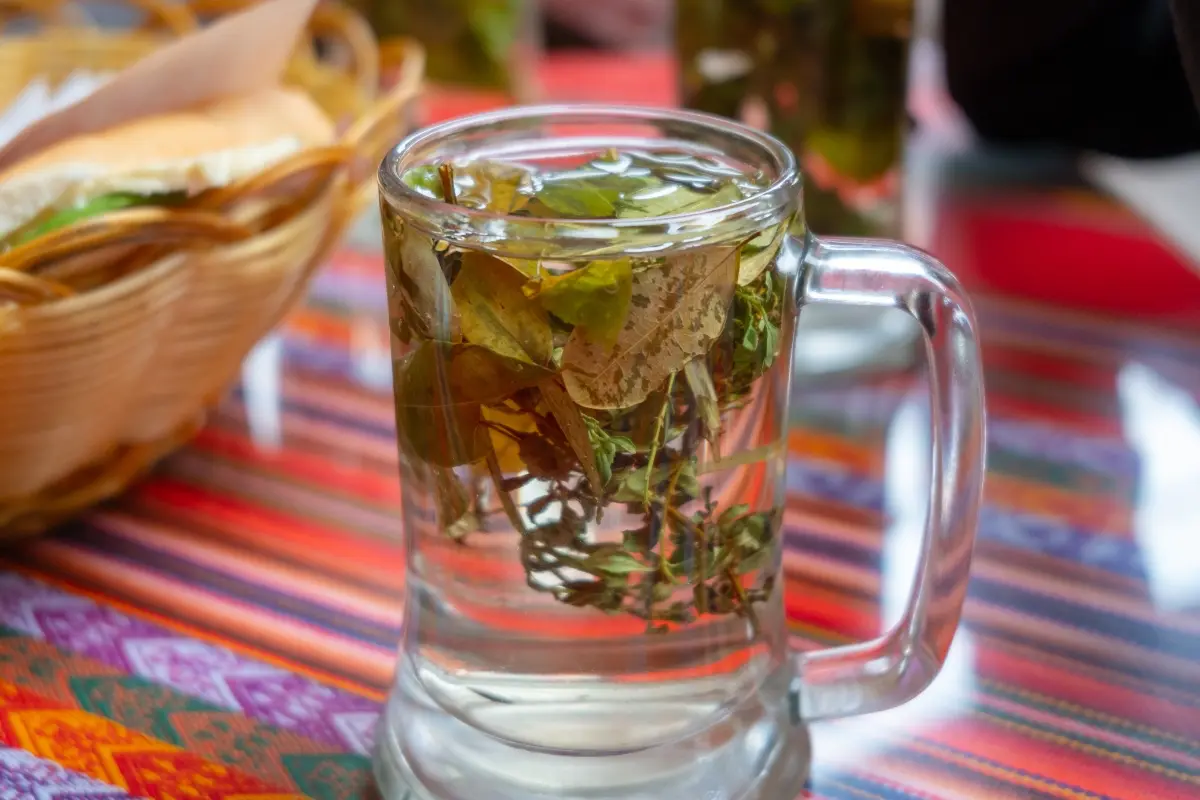
- Coca tea (mate de coca). This ancestral herbal infusion is offered at nearly every hotel lobby in Peru. A warm cup can help soothe mild early symptoms like a dull headache or midday fatigue. Avoid drinking it late in the evening, since it contains mild natural stimulants similar to coffee.
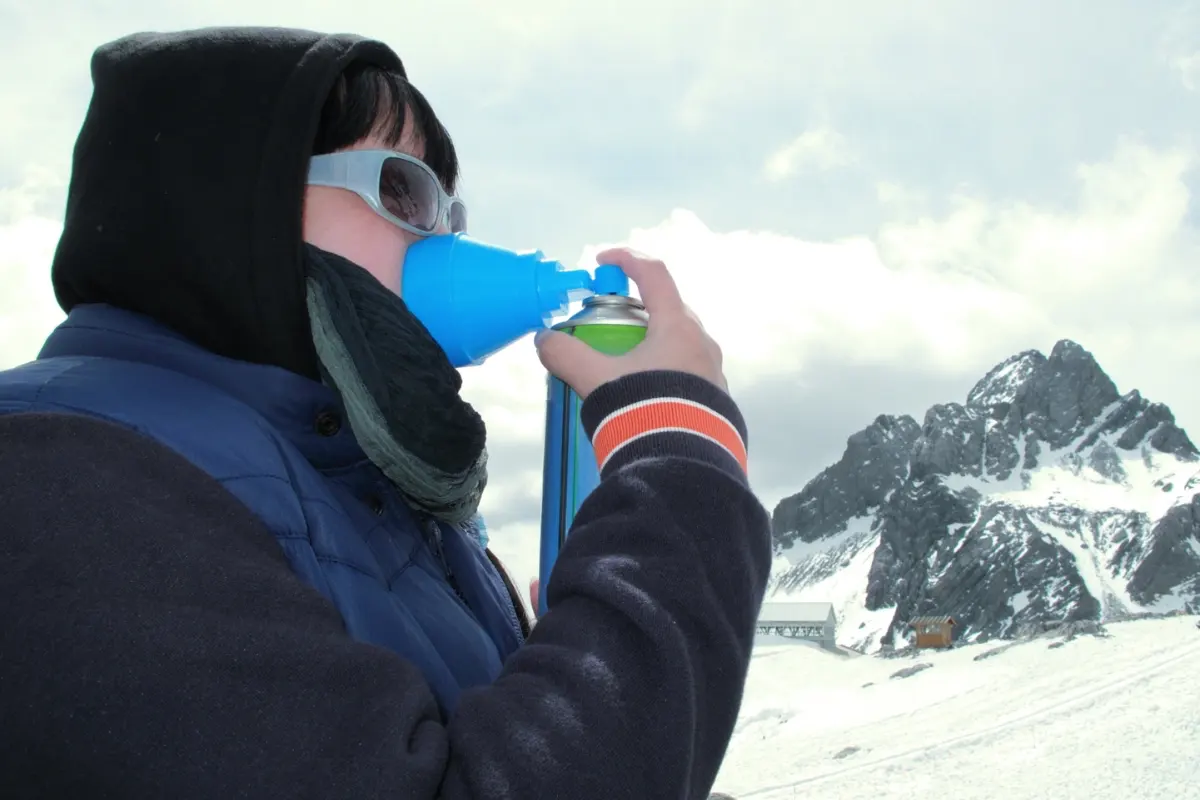
- Supplemental oxygen. Many hotels in high-altitude cities keep oxygen tanks or concentrators for guests. It can provide rapid, temporary relief from dizziness or shortness of breath, but it’s a short-term fix that doesn’t replace natural acclimatization.
Clearing up Soroche Pills specifically. There’s a common misconception that over-the-counter “Sorojchi Pills,” sold at Peruvian pharmacies, contain acetazolamide. They don’t. Commercial Sorojchi Pills are a specific compound of aspirin, salophen (an aspirin derivative), and caffeine, generally taken every 8 hours. They can dull the pain of a high-altitude headache and improve alertness, but they do not speed up your blood’s oxygen adaptation the way acetazolamide does. Always check the box ingredients, and if you have a history of gastritis, ulcers, or aspirin sensitivity, consult a physician before taking them.
If you need logistical support timing your excursions around a safe acclimatization window, contact us to talk to a Peru travel expert. We design custom, well-paced itineraries that give your system the time it needs to stay soroche-free.
What to Do If You Get Altitude Sickness
If you find yourself struggling with soroche, the most important rule is to stay calm, slow down, and listen to your body. Mild AMS usually improves with rest and steady hydration at your current elevation. If symptoms intensify or don’t improve after 24 to 48 hours, it’s time to move to lower elevation, especially if you’re on a demanding high-altitude trek like the Inca Trail.
Local medical clinics and pharmacies throughout Cusco and the Sacred Valley are experienced in treating high-altitude illness. Keep a digital copy of your travel insurance details and a list of your medications accessible on your phone.

Self-Care Steps That Bring Quick Relief
At the first sign of high-altitude symptoms, pause your itinerary and try these:
- Pause all activity. Sit or lie down to lower your heart rate and reduce oxygen demand.
- Hydrate in small sips. Drink water or an electrolyte solution slowly rather than chugging, which can irritate a sensitive stomach.
- Eat a light snack. Crackers, plain toast, or fresh fruit provide easy energy.
- Target the headache. Ibuprofen or acetaminophen, following your doctor’s pre-trip guidance, can help.
- Breathe and rest. Slow, deliberate breaths and a short nap help your nervous system settle.
- Use hotel oxygen if available. Brief 10 to 15-minute sessions can ease acute distress.
When to Seek Professional Medical Help
Don’t try to “tough it out” if your condition escalates. Seek medical care immediately if you or anyone in your group develops:
- A severe, blinding headache that worsens despite over-the-counter medication
- Continuous vomiting that prevents keeping fluids or medication down
- Shortness of breath, a wet rattling cough, or an elevated heart rate while resting
- Localized chest pain or extreme tightness
- Signs of neurological distress: confusion, slurred speech, or inability to walk in a straight line
If this happens at your hotel, notify the front desk immediately. Staff can typically summon an English-speaking doctor to your room or coordinate transport to a nearby clinic specializing in travel medicine.

How and When to Descend (Even Mid-Tour)
Losing altitude is the single most effective, fast-acting treatment for moderate to severe mountain sickness. When your body signals it can’t adapt, consider these geographical shifts:
- If in Cusco (11,152 ft / 3,400 m). A roughly 45-minute taxi transfer down into the Sacred Valley (9,200 ft / 2,800 m) drops you nearly 2,000 vertical feet into denser air.
- If in the Sacred Valley. A local train further down the canyon reaches Machu Picchu Pueblo (Aguas Calientes), at a more oxygen-rich roughly 6,700 ft (2,040 m).
- If in Puno (12,500 ft / 3,812 m). If you’re struggling on the shores of Lake Titicaca, arrange transport toward lower-altitude Arequipa or back to the Pacific coast.
Always tell your tour guide or driver the moment you start feeling unwell. There’s no shame in adjusting your route; your safety comes first. Most reputable operators can adjust, reroute, and reschedule excursions once your body has recovered.
Ready to build an itinerary designed around safe, comfortable acclimatization? Get in touch for a free quote, and an expert Peru travel planner will craft a route around your physical comfort.
Plan Your Peru Itinerary for Easy Acclimatization
When it comes to managing soroche, the real advantage isn’t a pill, it’s strategic geography. Giving your body a gentle, progressive introduction to the mountains is the single most effective choice you can make.
By landing at sea level in Lima first, resting, then bypassing the steep altitude of Cusco to sleep your first few nights in the lower Sacred Valley, you allow your respiratory system to adapt naturally. From there, you can move on to your Machu Picchu day tour, explore Cusco’s historic core, and save the highest elevations like Lake Titicaca for last.
This progressive pacing is exactly how we design our customized Peru tours. Here’s a quick breakdown of Peru’s main travel hubs and their elevations:
| Destination | Elevation (Feet) | Elevation (Meters) | Acclimatization Zone |
| Lima | Sea level | Sea level | Baseline (safe zone) |
| Machu Picchu | 7,972 ft | 2,430 m | Low altitude |
| Sacred Valley | ~9,200 ft | ~2,800 m | Moderate altitude (ideal start) |
| Cusco | 11,152 ft | 3,400 m | High altitude |
| Puno / Lake Titicaca | 12,500 ft | 3,812 m | Extreme high altitude |
Sample Itineraries That Reduce Your Risk
A slower initial pace keeps your energy levels high for the experiences you actually came to see. Depending on your travel window, consider one of these two structures:
- The classic explorer route (7-9 days). Start with 1 night in Lima, then fly to Cusco but transfer immediately down to the Sacred Valley for 2 nights. Head down to Machu Picchu for 1 night to enjoy the ruins at a comfortable elevation. Finally, move up to Cusco for 2-3 nights once your body has adapted, adding Puno afterward if desired.
- The express mountain route (4-6 days). Head straight to the Sacred Valley for 1-2 nights to establish your baseline. Visit Machu Picchu on day 3, and spend days 4 and 5 in Cusco. Save strenuous high-altitude trekking for the final day.
Both structures reduce risk by ensuring you sleep lower before attempting the highest peaks. For more inspiration, browse our complete selection of Peru tours.
What to Pack for High-Altitude Comfort
Beyond your standard wardrobe, your daypack should include:
- Hydration core. A sturdy, refillable water bottle or hydration bladder.
- Electrolyte packets. Oral rehydration powders to mix into your water.
- Basic first-aid. Over-the-counter pain relievers (ibuprofen or acetaminophen) for minor headaches.
- Prescription cover. Your doctor-prescribed altitude medication (such as acetazolamide) with copies of your prescription.
- Quick energy. Easily digestible, carbohydrate-rich snacks like dried fruit, crackers, or energy bars.
- Alpine sun protection. A wide-brimmed hat, SPF 30+ sunscreen, UV-blocking sunglasses, and lip balm.
- Smart travel layers. A moisture-wicking base layer, a warm mid-layer fleece, and a windproof outer shell.
For a comprehensive checklist for your whole trip, see our Peru packing list.
Cusco, Sacred Valley, and Machu Picchu: The Smart Order to Visit
The order that works: Sacred Valley first, Machu Picchu second, Cusco third.
Spend your first 48 hours on low-impact, scenic activities in the Sacred Valley. Once your system feels balanced, head to Machu Picchu. Only after clearing these lower altitudes should you check into Cusco to explore its markets, museums, and food scene.
Following this order primes your body to comfortably tackle higher-altitude challenges like Rainbow Mountain or Humantay Lake later in your trip.
A common itinerary mistake worth flagging. You’ll sometimes see generic online itineraries suggesting you base yourself in Cusco for the first few days and take a day trip down to the Sacred Valley. That’s backwards: because Cusco sits roughly 2,000 feet higher than the valley, staying there first forces your body to adapt to the harshest elevation on day one. Make the Sacred Valley your initial base instead.
Altitude Sickness in Peru: No Problem, if You’re Prepared
Soroche doesn’t have to cast a shadow over your Andean adventure. By slowing down your initial ascent, keeping meals light, staying hydrated, and cutting out alcohol for the first 48 hours, you give your body the tools it needs to adapt. If you’ve consulted your doctor ahead of time about acetazolamide, you’re already ahead of the game.
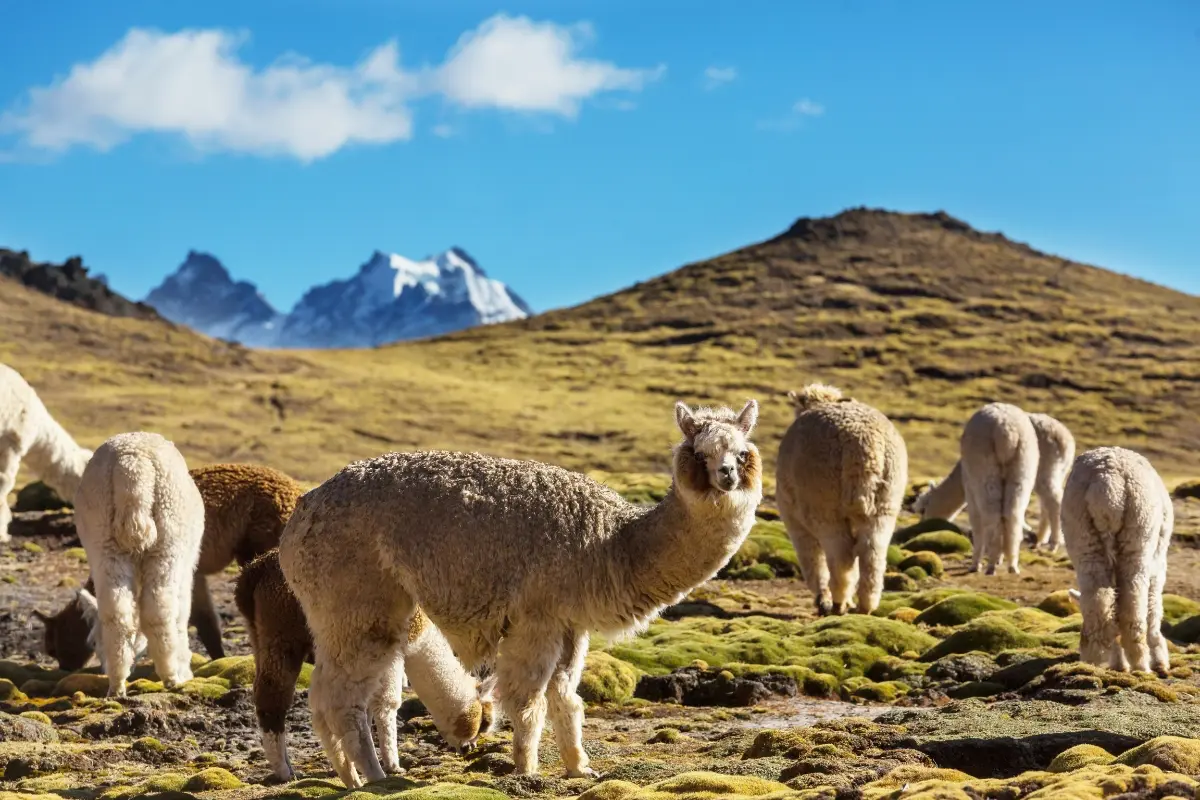
Taking it easy isn’t a setback, it’s the strategy that gets you to the peaks in good shape. A patient, well-paced start means you’ll experience the Andes with clarity and energy.
Your Final 5-Point Altitude Safety Checklist
- Pace over pride. Move slowly, skip long staircases on day one, and don’t try to match the pace of travelers who’ve been in the region for weeks.
- Double the hydration. Sip water constantly to counteract the dry high-altitude climate.
- Dine like a local. Light, carbohydrate-rich, low-fat meals like quinoa soup won’t overwhelm a sluggish high-altitude digestive system.
- Zero alcohol first. Skip it entirely for the first 48 hours to prevent rapid dehydration.
- Listen to your body. If a headache or dizziness hits, stop, sit down, breathe deeply, and rest.
Most cases of altitude sickness in Peru are mild and pass within a couple of days. Give your system a gentle, well-timed transition, ideally using the Sacred Valley as your first stop, and your body will reward you with the energy to properly enjoy the Andes.
Frequently Asked Questions About Altitude Sickness in Peru
What is altitude sickness and why does it happen in Peru?
Altitude sickness (locally called soroche) is a physiological reaction to rapid exposure to low atmospheric pressure and reduced oxygen at high elevation. Destinations like Cusco (~3,400 m) and Puno (~3,812 m) have significantly thinner air than sea-level Lima, so ascending too quickly means each breath delivers fewer oxygen molecules to your blood, straining your cardiovascular system while your body works to produce more red blood cells to adapt.
At what altitude in Peru does altitude sickness usually start?
Altitude sickness in Peru typically starts affecting travelers above roughly 2,500 meters (about 8,200 feet). Since the Sacred Valley, Cusco, and Lake Titicaca all sit above this threshold, flying directly from sea-level Lima into these hubs raises your risk, which is why a progressive itinerary, spending your first nights at the lower Sacred Valley before sleeping in Cusco, is the standard recommendation.
What are the common symptoms of altitude sickness in Peru?
Mild altitude sickness symptoms closely resemble a hangover and typically surface 6 to 24 hours after arrival: headache, mild nausea, dizziness, fatigue, loss of appetite, and disrupted sleep. These usually peak and clear within 24 to 48 hours with rest and hydration, but severe shortness of breath at rest, confusion, or loss of balance are warning signs that require an immediate drop in altitude.
How can I prevent altitude sickness when traveling to Cusco or Machu Picchu?
The most effective prevention is a progressive altitude itinerary: sleep your first two nights at the lower Sacred Valley rather than Cusco. Combine that with 2 to 3 liters of water daily, light carbohydrate-heavy meals, no alcohol, avoiding intense exercise in the first 48 hours, and asking your doctor before the trip about a preventative acetazolamide prescription.
What’s the difference between Sorojchi Pills and Diamox (acetazolamide)?
Sorojchi Pills are an over-the-counter Peruvian remedy containing aspirin, salophen, and caffeine, which relieve headache and fatigue but do not speed up your body’s oxygen adaptation. Diamox (acetazolamide) is a prescription medication that genuinely accelerates acclimatization, at a standard preventative dose of 125 mg every 12 hours starting the day before ascent, and should only be used on a doctor’s guidance.
When should I see a doctor or go to a clinic for altitude sickness in Peru?
Seek medical attention if symptoms worsen after 48 hours of rest, or if you develop red flags like an unmanageable headache, continuous vomiting, chest tightness, a rattling cough, confusion, or trouble walking straight. These can indicate HAPE or HACE, which require urgent care and descent; notify your hotel front desk or tour guide immediately, since they can arrange an English-speaking physician quickly.






Ana14 July, 2024 at 8:42 am
Tenemos planeado ir a Peru en noviembre. Mi esposo padece de muchas condiciones incluyendo cirugías de corazón y presión arterial alta. Su neuro cirujano, que es peruano, nos dijo que él sí podía viajar a Peru, mi pregunta es ¿Si compro una máquina de oxígeno portable, estaría reduciendo los síntomas de mal de altura? ¿Le servirá?
Oliver from Exploor14 July, 2024 at 9:55 am
¡Hola Ana!
Es genial que estén planeando un viaje a Perú en noviembre. En cuanto a tu pregunta sobre el mal de altura, una máquina de oxígeno portátil puede ayudar a reducir los síntomas del mal de altura al proporcionar oxígeno adicional cuando sea necesario. Esto puede ser especialmente útil en lugares de gran altitud como Cusco y Machu Picchu.
Sin embargo, es importante consultar con su médico antes de viajar para asegurarse de que este enfoque sea adecuado para las condiciones de salud específicas de tu esposo. Además, es recomendable planificar una aclimatación gradual, hidratarse bien y evitar el esfuerzo físico excesivo al llegar a altitudes elevadas.
Si tienen más preguntas, no duden en enviarnos un correo a [email protected].
Vane14 February, 2024 at 8:53 pm
Un niño de 9 años con 40kg de peso, qué puede tomar para el soroche? aparte de hidratarse y tomar mate de coca? …en nuestro caso, viajamos a Cuzco y de los 4 días, 3 días estuvo mal! ya sea caminando, con frio, calor. Su primer día estuvo muy bien. En la noche del 2do día le dio soroche, luego en la tarde del 3er día y en la mañana del 4to día. Tomando siempre mate de coca pero sin medicarlo.
Oliver from Exploor15 February, 2024 at 10:51 am
Hola Vane! Recomendamos hablar con un doctor en estos casos, nosotros no estamos calificados para dar consejos médicos sobre la salud de tu hijo. Que se mejore pronto!
Saludos!
Maximiliano3 September, 2023 at 2:10 pm
Es normal sentir como los efectos después de descender ??
Llevo 5 días aprox desde que baje y me eh sentido así como un poco mariado y como con falta de concentración , esto me pasó desde que subí a 4600 en mi trabajo
Oliver from Exploor4 September, 2023 at 3:26 pm
Hola Maximiliano, gracias por tu comentario. Recomendamos que saques cita con un médico para que te pueda ayudar con el tema, ya que nosotros no estamos capacitado para hacer ese tipo de evaluación.
Saludos,
Oliver
Dame28 August, 2023 at 7:18 am
Tengo artritis y voy a viajar y visitar desaguadero Bolivia por tierra.. que tanto me afectara la altura por mi condición de salud ? que debo hacer o qué medidas debo tomar ? Es mi duda.. gracias
Oliver from Exploor30 August, 2023 at 11:37 am
Hola Dame, recomendamos que antes de viajar consultes con tu médico. Es importante acostumbrarse a la altura poco a poco, siempre tomando las medidas necesarias como tomar mucha agua, comer comida ligera y tomar pastillas como el Soroche.
Saludos,
Oliver
Ilda Méndez12 July, 2023 at 10:48 am
Puede ir a Machu Picchu una persona con cirugía de corazón. Toma medicamento para la presión con bien control
Oliver from Exploor14 July, 2023 at 11:53 am
Hola Ilda, cómo estás? Recomendamos que primero hables con tu doctor antes de planear tu visita a Machu Picchu para evitar cualquier inconveniente potencial. Nosotros somos expertos en el tema de viajes, pero no somos doctores para darte una recomendación personalizada en cuanto a temas de salud. Esperamos que nos puedas visitar pronto. 🙂
Muchas gracias y saludos,
Oliver
No sé supone que los aviones están preparados para no sentir mal por la altura ???18 August, 2022 at 8:43 pm
No sé supone que los aviones están preparados para los pasajeros para contrarestar el mal de altura??
Daniel3 March, 2023 at 6:48 am
Los aviones tienen cabina presurizada, el problema es AL DESCENDER DEL AVIÓN.
cecilia30 May, 2022 at 4:59 pm
Yo les recomiendo las capsulas naturales
ALTIVITAL son hechas con hojas de coca, de muña, guaraná y jengibre. son efectivas si tomas dos en la mañana y dos en la tarde solo los 3 primeros dias en altura. no tiene contraindicaciones, no hacen daño y las pueden tomar niños y ancianos.
Oliver from Exploor31 May, 2022 at 8:24 am
Hola Cecilia, gracias por tu recomendación! La próxima vez que viajemos a Cusco lo vamos a tener en cuenta.
Saludos 🙂
Isabel7 October, 2023 at 10:20 am
Si viajo con mi bebé de año y Medio como le puede afectar la altura? Y en tal caso que si se le podría dar algo?
Oliver from Exploor8 October, 2023 at 12:09 pm
Hola Isabel, gracias por tu comentario. Recomendamos consultar ese tema con tu médico de confianza.
Saludos
Oliver
Donde se compran ? Me toca viaje del 24 de noviembre al 3 de diciembre24 October, 2022 at 12:47 pm
A mi el jengibre me sube presión será que estas cápsulas no me hagan daño?
Jutta21 May, 2022 at 9:35 am
Gracias por todos las muy buenas sugerencias. Cada experiencia puede ser muy diferente a la de otros pero al final lo que más preocupa es de que manera la salud puede ser afectada.
Pensamos hacer nuestro viaje a Cusco para agosto Machu Picchu etc, en particular, tengo artritis en rodillas y varices, también me preocupa si la altura podría afectar la parte vascular….
Oliver from Exploor21 May, 2022 at 11:03 am
Hola Jutta, muchas gracias por tu comentario. Es muy cierto lo que dices, cada experiencia puede ser muy diferente a la de otros. Por eso y muy importante seguir las recomendaciones generales para evitar cualquier tipo de inconveniente. En cuanto a tu caso particular recomendaría que hables con un médico para que te pueda dar una opinión profesional.
Ojalá puedan viajar a Cusco pronto! 🙂 Saludos.
Ed14 May, 2022 at 10:11 am
Hello! Thanks a lot for the information!
I’m planning to go next month in June to Cusco for 4 days, however, just have a question if a women probably is pregnant for one month could still get any medication or local remedy? Definetly in that case we wil ask her doctor in advance.
Oliver from Exploor15 May, 2022 at 6:52 pm
Hey Ed, thank you for your message! This is a very good question and we’d rather not give any recommendation as we are no experts in this field. As you say, best would be to talk to your doctor in advance so you can prepare properly. Let us know if you need anything else. 🙂
Mike12 May, 2022 at 2:16 pm
Awesome article! I’m traveling with my family to Peru next month and we are very excited. Have you heard how children do with the altitude? I’m curious if they will need to medicine or will be fine on their own.
Oliver from Exploor15 May, 2022 at 6:44 pm
Hey Mike, glad the article helped. Thank you for your kind words! 🙂
Regarding your question, we’ve never had any problems so far with the children that travelled with us. Best would probably to double check with your doc and see what recommendations they give. From past travelers we know that they gave Soroche pills to their kids when they were having issues with the altitude apart from the other recommendations, e.g. rest, drink lots of water and coca tea etc. Let us know if you have any other questions.
Saludos, Oliver
Doug Perrington21 February, 2022 at 12:09 pm
Very cool and thanks for sharing this. Is Palccoyo still the “hidden” gem or can we expect in April more travellers there than at Vinicunca?
Konsti from Exploor Peru21 February, 2022 at 1:17 pm
Hello Doug, thanks a lot for your positive words. April is the start of the dry season and for that reason you’ll face more travellers in Peru than the months before. However, at Palccoyo you won’t face as many travellers as at Vinicunca and you will embrace the beautiful landscapes. For more information about the two rainbow mountains have a look at our blog post: differences between Palccoyo and Vinicunca rainbow mountain. Best, team exploor
Ángela Tescari6 December, 2021 at 10:41 pm
Hola quisiera me ayuden con esta gran duda que tengo; si una persona que está acostumbrada a viajar en avión o sea ha viajado en avión varías veces Y no ha sentido ningún síntoma de mal de altura. Será que por tierra al visitar desaguadero y bolivia que son zonas altas puede sentir síntomas porque de verdad que en avión no los ha sentido por eso mi duda .. porque acá en el documental dice que lo sufren mucho las personas que viajan en avión ?? Gracias si pueden aclararme las dudas muy agradecida bendiciones
Jose12 October, 2022 at 7:07 am
El avión tiene cabina presurizada es como estar a cero metros sobre el nivel del mar, mientras que si te trasladas por tierra tu cuerpo se tiene que adaptar a los 3000 o 4000 mts sobre el nivel del mar totalmente diferente e incomparable
Gabriel27 October, 2022 at 4:13 am
No es cero es 14.7 al nivel del mar
P3t322 November, 2021 at 1:29 pm
Great info! Is it really not possible going to the gym or doing an exercises in Cusco? And where can I get the pills?
Konsti from Exploor Peru22 November, 2021 at 1:39 pm
Hello P3t3,
it’s very important that you are getting used to the altitude in Cusco. For that reason we highly recommend avoiding sport in the first 24-48 hours. Besides that, you’ll get the altitude pills such as sorojche already at the airports in Lima/Cusco or at every pharmacy in Peru. Let us know if you have any further questions.
Blake M.13 September, 2021 at 10:09 pm
Dear Exploor team, I really appreciate the free tips on your blog! If I have 3 days in Cusco which tours would you recommend, also considering the altitude? I heard many people got sick at Rainbow Mountain. Cheers Blake
Exploor Peru15 September, 2021 at 8:29 am
Hey Blake, thank you for your comment. We’d recommend visiting the Sacred Valley, Machu Picchu and either Rainbow Mountain or Humantay Lake (in the same order as the former destinations are at a lower altitude than the latter). People that get sick at Rainbow Mountain mainly because they didn’t give their body enough time to get used to the altitude. This is very important to consider! If you have any other questions just let us know 🙂
Brenda O'Neil26 August, 2021 at 1:20 pm
Thanks for this info! Quick follow up question; which altitude sickness medicine would you recommend we should buy when in Peru?
Oliver from Exploor26 August, 2021 at 8:33 pm
Glad it was helpful! I’d recommend Sorojchi Pills, you can get them at every pharmacy in Peru.
N.G11 April, 2023 at 6:30 am
Hi, thank you for the information!
I wanted to understand, when arriving in Cusco I should rest a few days before going on any hike?
Thank you!
Oliver from Exploor11 April, 2023 at 9:30 am
Hey Brenda, how are you doing? Glad the article is helpful!
We definitely recommend resting 24-48 hours before going on a high-altitude hike, such as Rainbow Mountain, Humantay Lake or Salkantay Trek. This way you allow your body to get used to the altitude. Hope this helps, let us know if you have any additional questions.
Saludos,
Oliver