


How to Get to Machu Picchu: The Definitive Guide
- 25 April, 2026
- by Konsti Sobon
To reach Machu Picchu, fly to Cusco, ride the train to Aguas Calientes - then bus or hike up to the site entrance.
Read more
Planning a trip to the ancient Inca citadel in September? Smart move. September is widely considered one of the sweet spots for visiting Peru. Stepping onto the mountain still takes a bit of logistical strategy, though. To pull off a smooth trip, it helps to understand the shifting microclimates between high-altitude Cusco and the subtropical valleys of Machu Picchu, pick the right morning entry slot, and dress for a climate that can pivot from crisp mountain air to intense equatorial sunshine within the same day.
Here’s what to expect from the weather, crowds, and trekking trails during this transitional month.
If you’d like to hike in, our Inca Trail tours include a permit issued in your name, transfers from Cusco and a licensed English-speaking guide.
A weather reality check. Don’t let the phrase “dry season” fully reassure you. Machu Picchu sits right where the high Andes meet the Amazon’s cloud forest. A brief mountain shower can appear at any time, but it usually clears as fast as it arrives, leaving crisp air behind for photography.
September is a transitional month in the Peruvian Andes: the gentle end of the dry winter season, easing into spring. The climate stays favorable for sightseeing, but it’s worth knowing what to expect before booking your Machu Picchu tour.

As September marks the slow start of the shift toward the rainy season, weather at Machu Picchu stays mild, with average highs around 74°F (23°C) and lows around 52°F (11°C), broadly similar to the shoulder months on either side.
Expect occasional stretches of more cloud cover over the ruins and cooler nights, so it’s worth packing appropriately and picking the right Machu Picchu circuit for your plans.
If you’re expecting freezing weather, you’ll be pleasantly surprised. Temperatures in September are mild and comfortable for active exploring.
The equatorial sun can make the open terraces feel notably warmer during peak daylight hours. Once the sun drops behind the peaks, the air turns crisp quickly. Packing smart layers matters regardless of which Machu Picchu circuit you choose.
September is classified as the tail end of the dry season, so your chances of clear, sunny weather are high. As the rainy season approaches, though, nature drops a few hints.
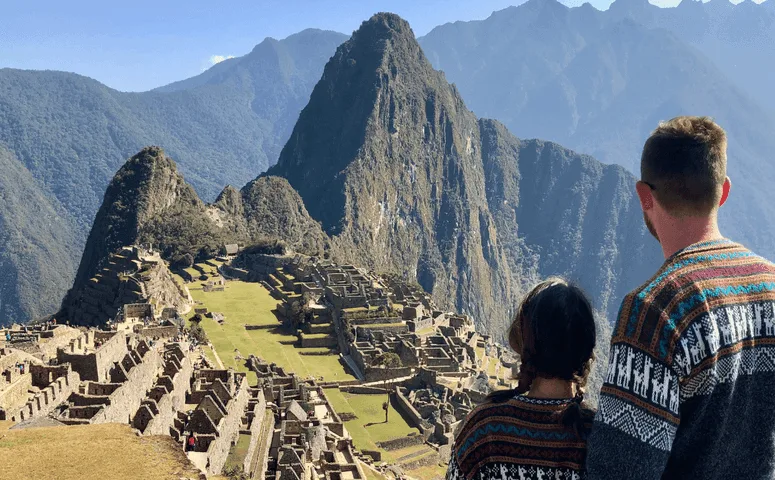
Expect sporadic, brief afternoon showers or a light mountain drizzle. These rarely disrupt sightseeing and usually clear within minutes, giving way to clear skies that work well for photography.

Machu Picchu’s subtropical humidity is what feeds the lush cloud forest framing the ruins. Expect mostly clear, bright skies, with occasional dramatic clouds drifting across the peaks that add an atmospheric layer to your photos.
September remains one of the strong windows to schedule a trek: it captures the tail of dry-season predictability while showcasing the blooming spring flora of the sanctuary. To see how this month compares to the rest of the year, see our guide on the weather at Machu Picchu.
Visiting in September gives you a shoulder-season experience at a crossroads between the crowded, dry winter and a fresh, blooming spring. Like any window, it comes with trade-offs.

A note on afternoon entry. You might read advice to avoid the afternoon because “rain makes the views worse.” In practice, afternoon slots are underrated: morning fog usually clears by midday, the light softens for photography, and the morning day-tripper crowds are gone. A 1:00 PM or 2:00 PM entry is worth considering.
On trail closures. Some sources warn of “limited trail availability due to maintenance” in September. To be precise: the annual government maintenance shutdown for the Inca Trail happens in February, not September. In September, trails are fully open. Any limitations you run into are the standard capacity caps that apply year-round to protect the ruins.
September is a strong month to visit Machu Picchu. Lock in your reservations 3 to 4 months ahead, pack a light rain poncho just in case, and you’ll experience the site at a genuinely balanced, photogenic time of year.
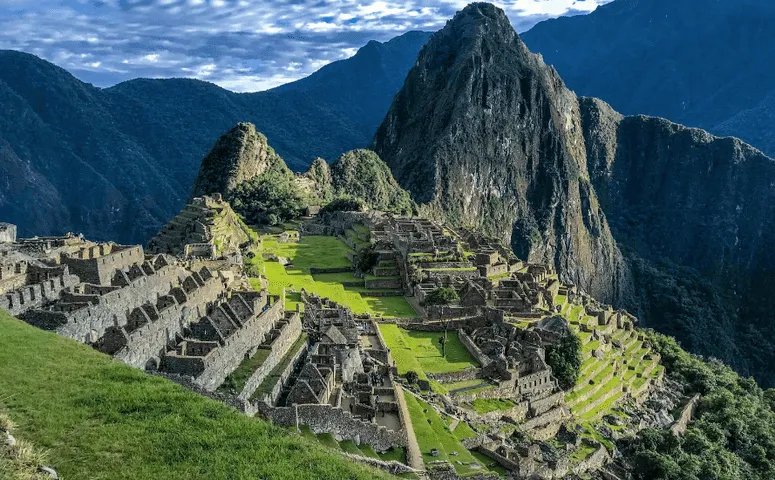
Preparation makes the difference between a stressful trip and a smooth one. Here are five recommendations.
Aim for a slot between 6:00 AM and 8:00 AM. Dawn entry gives you the best chance to see morning mist lifting off the ruins under soft light, and puts you ahead of the mid-morning wave of day-trippers arriving by train.
The rule for September packing is layering. You’ll likely see chilly mountain air at dawn and strong sun by noon. Pack high-SPF sunscreen, a wide-brimmed hat, sturdy hiking boots with ankle support, and a lightweight waterproof jacket for passing showers.
Don’t let the “shoulder season” label fool you: September stays popular. Book your citadel passes, train tickets, hotels, and mountain permits (Huayna Picchu or Machu Picchu Mountain) 3 to 4 months ahead.
Walking the stone complexes without context means missing the architecture, astronomical alignments, and engineering behind the site. Our Machu Picchu tour handles the logistics and pairs you with a private guide.
Underestimating the thin Andean air is a common trap. Spend your first few days resting and exploring the lower-elevation Sacred Valley before tackling the main citadel routes.
Health first. Read our guide on how to avoid altitude sickness before you step off the plane in Cusco.
September’s transitional microclimate means the weather can shift quickly. Pack with versatility in mind.

Layering is your best friend in the Andes. Dressing in removable layers lets you adapt from a chilly early train ride to a warm uphill climb.
Pack moisture-wicking shirts, a lightweight fleece, and a waterproof jacket for occasional showers. Add UV-blocking sunglasses and a wide-brimmed hat. For a full breakdown, see our Machu Picchu packing list.
Stone pathways can turn slick after a brief drizzle. Choose broken-in hiking shoes or trail runners with water resistance and deep rubber traction over fashion sneakers.
If you’re tackling one of the mountain climbs, good grip matters even more. See our breakdown of the differences between Huayna Picchu and Machu Picchu Mountain to decide which fits your fitness level.
Weighing it all, the advantages of visiting Machu Picchu in September outweigh the manageable drawbacks. It’s a month that rewards proactive travelers with some of the more visually rewarding conditions of the year.

As the heavier winter crowds start heading home, you’re left with a site in transition:
Your ideal Andean trip depends on balancing these seasonal patterns with your own travel style and timeline. Once you’ve got the weather sorted, see why you should combine the Sacred Valley with Machu Picchu for a smoother route.
Yes, September is one of the strong shoulder-season months to visit Machu Picchu, with mostly sunny days, comfortable hiking weather, and a dip in crowds compared to peak July and August. Premium circuit entries and train tickets still sell out months in advance, so booking early remains important.
September has a comfortable climate with average daytime highs around 74°F (23°C) and cool nights dropping to around 52°F (11°C). As the transition between dry winter and wet spring, expect plenty of clear sunshine mixed with moderately high humidity, morning mist, and occasional brief afternoon showers that usually clear within minutes.
Early morning between 6:00 AM and 8:00 AM is ideal for watching morning fog lift under soft light. If avoiding crowds matters more to you, an afternoon slot after 1:00 PM is also a strong option, since morning day-trippers have left and the ruins get clear afternoon sun.
Dress in lightweight layers, such as a moisture-wicking shirt, a mid-layer fleece, and a packable waterproof jacket, to adapt to shifting conditions. Bring sturdy hiking shoes with good traction, sun protection, insect repellent, a power bank, a reusable water bottle, and small denominations of Peruvian soles.
Yes, September offers stable trail conditions for multi-day treks like the Inca Trail and the Salkantay Trek. The Inca Trail closes for government maintenance in February, but it’s fully open and in good condition during September; since daily capacity caps are enforced, secure your permits four to five months ahead.

