Planning a trip to the Andes in November opens the door to a visually rewarding experience. November marks the official beginning of the rainy season in the cloud forest, a time when the surrounding mountains come alive.
Rather than constant downpours, November brings a mix of passing tropical showers, misty valleys, and bursts of afternoon sunshine. If you appreciate lush, green landscapes, lighter crowds, and a more intimate atmosphere at the citadel, November is a strong time to visit.
This guide covers November climate patterns in Cusco and Machu Picchu, timing strategies for your entry, and packing insights for your trip with Exploor Peru.
Planning a November visit? Our Machu Picchu day trip from Cusco includes the round-trip train, the bus, your entry ticket and a private English-speaking guide, with hotel pickup in Cusco or the Sacred Valley.
Key Takeaways
- The return of green. November is the awakening of the cloud forest, with passing showers balanced by plenty of sunny intervals.
- Mild, temperate climate. Temperatures stay pleasant and steady, ranging from a morning low of 54°F (12°C) to an afternoon high of 73°F (23°C).
- The sweet-spot entry window. An entry time between 9:00 AM and 2:00 PM is recommended, letting morning fog lift before any late afternoon rain develops.
- Quieter trails. Lighter foot traffic across the circuits and good seasonal travel value, though rain gear and insect repellent still matter.
- Plan treks ahead. Multi-day treks like the Inca Trail or Salkantay Trek are lush in November, so secure permits months in advance.
A timing note worth knowing. Many guides recommend the earliest dawn slot year-round. November is a bit different: rising humidity often generates dense morning fog over the Huayna Picchu peaks around 6:00 AM. Entering slightly later, between 9:00 AM and 11:00 AM, is often the better call, since the valley sun typically burns off the fog by mid-morning, turning it into light, swirling mist just as the citadel comes into view.
Weather in November at Machu Picchu
November marks the start of the rainy season in the high Andes. While this brings an increased chance of showers, heavy, sustained downpours don’t typically arrive until later in December or January. That means November at Machu Picchu still has a strong chance of sunny weather windows mixed with dramatic mist.
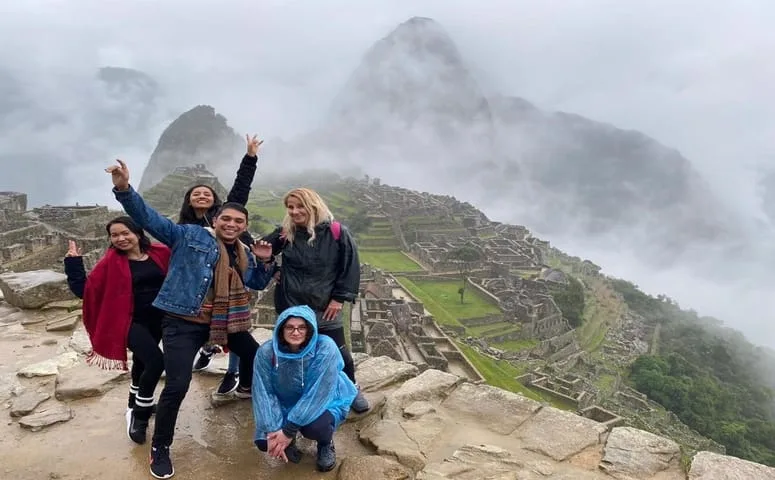
Because November is a comfortable, mild month, packing adaptively and choosing the right Machu Picchu circuit are key to a smooth, quieter visit.
Mild Temperature Range
During November, the subtropical climate at the citadel stays fairly stable and pleasant for active exploring:
- Average daytime highs: around 73°F (23°C) under the afternoon sun.
- Average early/nighttime lows: around 54°F (12°C) as dusk approaches.
Understanding the Rain Patterns in November
As the gateway to the wet season, November brings more moisture to the cloud forest. Rather than all-day rainfall, showers usually arrive in short, sporadic bursts, most often in the late afternoon. You’ll still get plenty of clear skies and sunshine on the ancient stonework throughout the day.
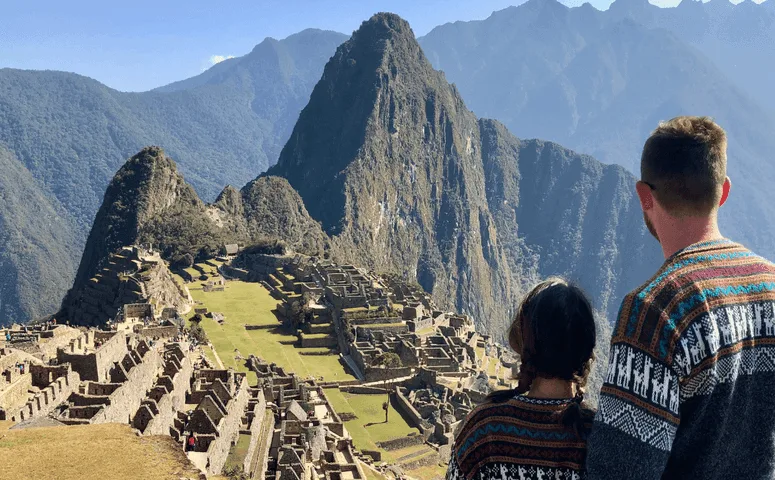
Humidity, Mists, and Sun Windows
November averages at least 4 hours of clear, bright sunshine daily, giving good visibility of the surrounding Vilcanota peaks. The daily pattern often follows a distinct sequence: early morning fog over the ruins, which burns off by mid-morning, followed by passing clouds later in the afternoon.
Because November sits at the edge of the rainy season, it’s genuinely one of the more humid months of the year, and some days feeling saturated during active rain or heavy morning fog. This doesn’t mean walking through a tropical swamp all day; in the cloud forest, it mostly shows up as morning fog blankets and afternoon showers that clear the valley air, draping Huayna Picchu in mist that makes for strong photography before clearing to reveal green terraces below.

November is a rewarding month to discover Machu Picchu and the Sacred Valley: you’ll navigate the stone pathways alongside fewer travelers, with room to slow down and enjoy a more relaxed experience.
To compare these conditions against the rest of the Andean calendar, see our master resource on the weather at Machu Picchu.
Pros and Cons of Visiting Machu Picchu in November
Weighing the advantages and disadvantages of a November trip helps you set the right expectations for the start of the cloud forest’s rainy cycle.
Pros of Visiting in November
- A quieter, uncrowded feel. With the summer travel waves gone, the citadel sees noticeably less foot traffic, giving you a more peaceful pace and often entire viewpoints to yourself.
- Sun-drenched windows. Rain rarely lingers all day. Expect reliable morning sun that illuminates the ruins, followed by passing afternoon showers that clear the humidity and freshen the air.
- Good seasonal value. Outside the mid-summer peak, boutique hotels, valley glamping sites, and premium transit lines offer more competitive pricing.

Cons of Visiting in November (and How to Prepare)
- Softer trail terrain. Spring showers rehydrate the soil, so sections of the alternative hiking trails can turn damp or muddy. Water-resistant hiking boots with solid rubber lug grips help with footing.
- Shifting microclimates. Skies can move from intense sun to a brief downpour within the same hour. Keep rain layers near the top of your daypack.
- More active insect life. Returning moisture and warm spring temperatures bring out the valley’s biting midges. They don’t buzz, but a cream-based repellent on your wrists and ankles before entry keeps you comfortable.
A 2026 date worth knowing. Under the Peruvian Ministry of Culture’s 2026 framework, the extended high-season period wraps up on November 2nd. Starting November 3rd, the citadel moves into its low-season calendar, with daily capacity adjusting down to 4,500 permits. In exchange, booking availability for trains and hotels opens up, giving you more schedule flexibility and quieter trails.
In short, if you appreciate green mountain vistas, better-value bookings, and a quieter connection to the site, November is a strong month to visit.
General Recommendations for Visiting Machu Picchu in November
Getting the most out of a November trip comes down to aligning your schedule with the elements.

Here are five recommendations for a smoother visit:
1. Target the Mid-Morning Entry Window (9:00 AM - 2:00 PM)
While dawn entries are popular in the dry season, November rewards a mid-morning arrival. Early hours often bring dense fog over the ruins; booking a slot between 9:00 AM and 2:00 PM gives the sun time to clear the morning shroud, revealing sunlit views right as you reach the viewing platforms.
2. Dress in Adaptable Layers
Since a November day can move through sun, passing showers, and cool breezes, dress in a lightweight moisture-wicking top, an insulating mid-layer, and keep a waterproof rain jacket within reach. Pair with supportive hiking boots, a sun hat, and sunscreen.
3. Secure Trekking Permits Months in Advance
November is popular with outdoor enthusiasts, since rains revitalize the landscape into vivid green. Demand stays steady for routes like the Inca Trail Trek or the Salkantay Trek to Machu Picchu, so secure permits and entry vouchers well ahead.

4. Consider a Local Guide
Machu Picchu holds engineering, astronomical alignments, and history that aren’t obvious at a glance. Our 1-Day Machu Picchu Tour from Cusco pairs you with a local English-speaking guide who manages entry checkpoints and shares the site’s history.
5. Plan Your Acclimatization in the Sacred Valley
Give your lungs time to adapt to the altitude. A common strategy is heading straight from the Cusco airport into the lower Sacred Valley for your first two nights before heading up to the citadel. See our guide on altitude sickness in Peru and how to avoid it.
November Travel Packing List for Machu Picchu
November brings the awakening of the rainy season, so packing with intent keeps your focus on the scenery rather than the weather.

Use this alongside our master Machu Picchu packing list before you head to the station.
Adaptive Clothing Recommendations
The rule for the Andes in November is layering, so you can adjust between breezy lookouts and warm, humid stone sectors.
- Moisture-wicking base layers. Lightweight shirts that dry quickly during active walks.
- Insulating mid-layers. A fleece or packable down jacket for early morning transit or cooler evening trains.
- Waterproof outer shell. A rain jacket or heavy-duty poncho, kept accessible for sudden showers.
- Sun protection. UV-blocking sunglasses and a wide-brimmed hat for clear afternoons.
Recommended Footwear
Choose water-resistant hiking boots or trail runners with deep rubber lug profiles and good ankle support. Reliable traction matters when historic stone steps pick up afternoon moisture, especially if you’re climbing one of the mountains flanking the citadel. See our comparison of the differences between Huayna Picchu and Machu Picchu Mountain if you’re deciding.
Essential Gear and Accessories
- A compact daypack. Park rules cap backpacks at 40 x 35 x 20 cm (roughly 20 liters); larger bags need storage at your hotel or the station gates.
- Sun, lip, and bug protection. Broad-spectrum sunscreen, SPF lip balm, and insect repellent for your ankles and wrists.
- Trail snacks. Nuts, dried fruit, or energy bars for transit windows.
- A power bank. Between photos and checking the best restaurants in Aguas Calientes, your phone works overtime.
- Altitude wellness items. Any doctor-approved altitude medication (such as acetazolamide) worth having during your preparatory days.
- Local currency. Small denominations of Peruvian soles for tips, souvenirs, and restrooms outside the main gate.
Exploring the Cultural Treasures of Machu Picchu in November
A November trip to the heart of the Inca Empire offers a rewarding perspective: as the cloud forest begins its seasonal renewal, you see a side of the citadel with green colors, quieter paths, and a sense of mystery.
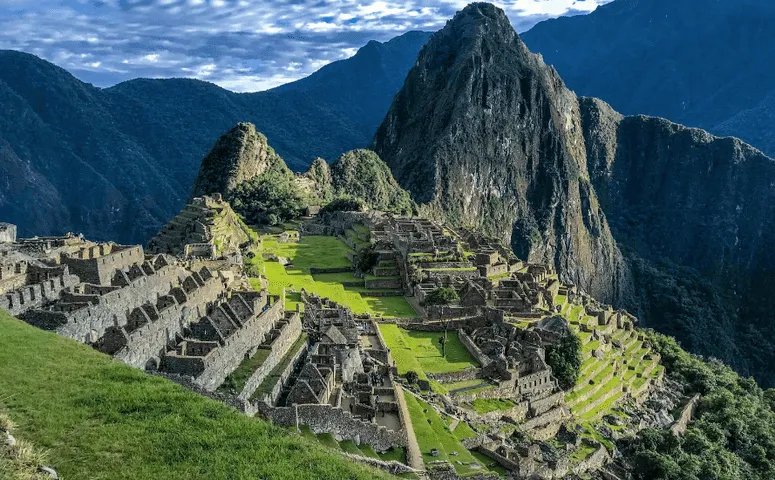
The November Travel Equation
- Visual reward. Returning rains bring the valley to life, with the ruins backdropped by green mountains and shifting cloud decks for strong photography.
- Intimate atmosphere. With summer crowds gone, you can explore the circuits at a slower pace with room to pause and reflect.
- Better value. Shoulder-season rates apply across accommodations, train cabins, and local excursions.
Weather in November can shift, with passing showers or morning mist, but with an experienced local team handling permits, transport, and rail connections around the day’s best windows, the logistics stay manageable.
The Perfect Regional Pairing
Witnessing the citadel wrapped in November’s shifting mist is a strong highlight for any itinerary. See our guide on why you should combine the Sacred Valley with Machu Picchu to round out your trip.
Frequently Asked Questions About Machu Picchu Weather in November
Is November a good time to visit Machu Picchu?
Yes, November offers a rewarding mix of thinner crowds, green scenery, and good seasonal travel value. As the gateway month to the rainy season, foot traffic drops, letting you explore the circuits at a peaceful pace. Expect brief afternoon showers, but rain is rarely continuous, and the trade-offs are minor compared to the busiest summer months.
What weather should I expect in November at Machu Picchu?
November weather is mild, with daytime highs averaging 73°F (23°C) and morning lows around 54°F (12°C). The daily pattern often includes morning mist, bright sun windows, and sporadic showers developing in the late afternoon. Humidity runs high this time of year and peaks during active rain or heavy morning fog, though it feels more like fresh mist than a tropical swamp.
When is the best time of day to enter Machu Picchu in November?
The best window is mid-morning between 9:00 AM and 2:00 PM, avoiding heavy early fog. November’s rising humidity often blankets the ruins in fog at sunrise, which clears under the mid-morning sun, giving you clearer views and completing your circuit before afternoon showers typically gather.
How should I dress and what should I pack for Machu Picchu in November?
Dress in versatile layers and prioritize insect repellent and a waterproof jacket. Pack a moisture-wicking base layer, an insulating fleece, water-resistant hiking boots with good traction, sun protection, a power bank, small denominations of soles, and any altitude remedies you use.
Is the Inca Trail open in November and do I need to book ahead?
Yes, the Inca Trail runs throughout November, but permits should be secured months in advance. The rains revitalize the landscape into vivid green, and demand for routes like the Inca Trail and Salkantay Trek stays steady, so book your dates and guide early.
Are there trail closures or restrictions at Machu Picchu in November?
The main sanctuary stays open year-round, but specific sub-routes may see occasional, temporary maintenance closures following heavy rain. These are routine safety measures to protect the stonework and visitor footing. A good local operator can adjust your schedule or suggest an alternative viewpoint if a route is affected.