July represents the heart of winter in the Peruvian Andes, bringing some of the most spectacular, crystal-clear weather of the year. If you’re planning a trip to the ancient Inca citadel during this month, you’ll be greeted by blue skies, abundant sunshine, and minimal rainfall. Because July sits squarely within the peak dry season, these conditions also attract the highest volume of travelers, so planning ahead matters.
This guide covers what to expect from the shifting microclimates between high-altitude Cusco and the subtropical cloud forest, the best entry slots, packing layers, and booking strategies for a July trip.
Planning to hike in July? Our Inca Trail trekking tours include a permit issued in your name, and if permits are sold out for your dates, we suggest the Salkantay trek instead.
Key Takeaways: July Weather and Crowd Dynamics
- The peak dry season. July features clear, sunny skies with some of the lowest average rainfall of the year, giving high-visibility conditions for photography.
- Dramatic temperature shifts. Expect daytime highs averaging around 72°F (22°C), contrasting with chilly mountain nights that drop to around 49°F (9°C). Versatile layers are essential.
- The busiest month. As the peak global travel month for Peru, securing your circuit, train seats, and guides several months in advance is important.
- Strategic entry windows. To avoid the midday crowd peak, book entry either early morning (6:00 AM to 8:00 AM) or late afternoon.
- Strong trekking conditions. The dry ground makes July one of the best months for multi-day treks, including the Inca Trail and the Salkantay Trek.
Weather in July at Machu Picchu: What to Expect

July is one of the best months to explore Machu Picchu, with consistently clear, bright conditions. Because the citadel sits in a mountain-jungle transition zone, understanding the daily weather cycle is still worth doing. Choosing your Machu Picchu circuit and packing for temperature swings will make for a smoother visit.
Temperature Range and Daily Cycles
During a typical July day, temperatures at Machu Picchu range from a daytime high around 72°F (22°C) to a nighttime low around 49°F (9°C). Under direct sunlight, conditions feel warm and dry. Once the sun dips behind the canyon’s granite peaks, the air cools quickly, so plan on switching to warmer layers in the evening.
How Much Does It Rain in July?
Statistically, July is one of the two driest months of the year at the sanctuary. Heavy downpours are rare, though the high-altitude ecosystem is unpredictable, and passing moisture from the Amazon basin can occasionally produce a brief, misty drizzle (garúa). A lightweight, packable waterproof layer is still worth carrying, even in peak dry season.
Humidity and the Morning Mist
July delivers the highest frequency of clear, blue-sky days all year, giving excellent visibility for photography.
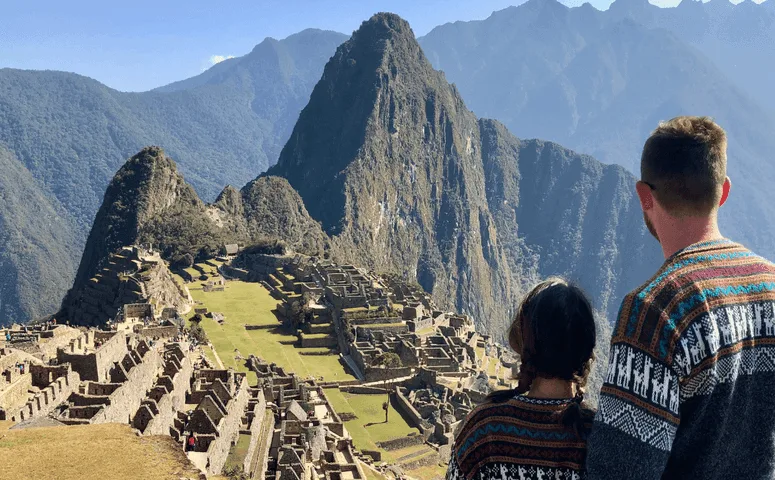
Since July is one of the driest months of the year, humidity tends to run on the lower end for the region. What you’ll actually experience is a beautiful morning mist that typically clears by around 9:00 AM, revealing sunny skies underneath.
Historical weather baselines are compiled from regional monitoring data. To compare conditions across other months, see our master guide on the weather at Machu Picchu.
Pros and Cons of Visiting Machu Picchu in July
Visiting in July means balancing excellent weather against peak international travel season.
The Pros: Strong Views and Trail Conditions
- Excellent visibility. With July at the peak of the dry season, rain is rare and cloud cover is minimal, giving you a strong chance at clear panoramic views of the citadel with Huayna Picchu behind it.
- Strong trekking conditions. Dry, stable trails make July one of the best months for the Inca Trail or the 5-day Salkantay Trek.
- Comfortable exploring climate. Daytime temperatures around 72°F (22°C) with fresh mountain breezes suit walking the stone staircases and terraces.

The Cons: Peak Crowds and Booking Deadlines
- The high-season surge. July overlaps with North American and European summer holidays, plus Peru’s Fiestas Patrias at month’s end, creating the busiest travel period of the year: fuller trains, longer shuttle bus lines, and peak-season hotel rates.
- Long booking lead times. Government capacity caps mean entrance tickets, train seats, and popular guides can sell out 3 to 4 months in advance.
- Cold nights. While days feel warm, nights drop to around 49°F (9°C). If staying overnight in Cusco or the valley, pack real insulated layers.
Our take. With advance planning, July’s logistical challenges are manageable, and the payoff of reliably clear skies and strong photography conditions makes it one of the strongest months to see the citadel.
Practical Recommendations for Your July Machu Picchu Trip
Getting the timing and preparation right makes a real difference in July. Here are five recommendations:
1. Optimize Your Entry Timing (Early Morning or Late Afternoon)
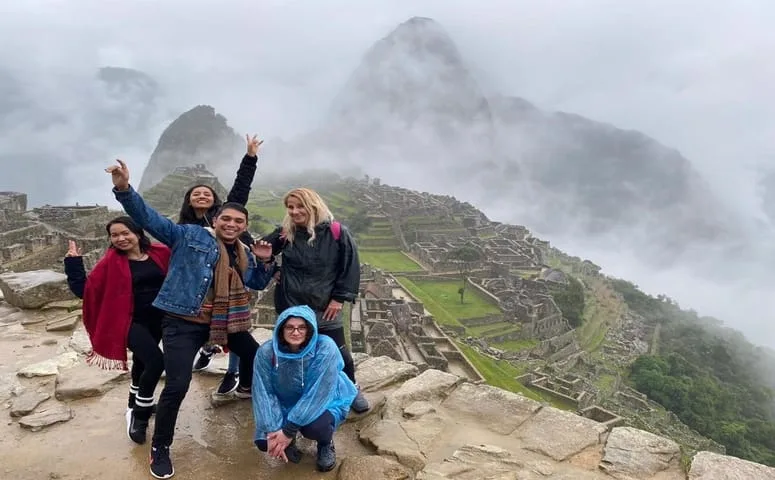
The best windows for entering in July are early morning (6:00 AM to 8:00 AM) or late afternoon (3:00 PM to 5:00 PM). Dawn entry lets you watch the morning mist burn off under cool, crisp air. Late afternoon is quieter, since most day-trippers have already headed back to the train station.
2. Master Tactical Layering
With temperatures swinging from a morning low around 49°F (9°C) to an afternoon high around 72°F (22°C), pack breathable base layers, a fleece or lightweight sweater, and a packable windbreaker or light rain shell. High-SPF sunscreen, polarized sunglasses, and a wide-brimmed hat matter too, since the high-altitude sun is intense in July.
3. Secure Logistics Months in Advance
July is peak season, so last-minute planning is risky. Book entry tickets, train seats, and accommodations at least 3 to 4 months ahead to avoid missing out or scrambling for walk-up options.

4. Consider a Private Guide
Machu Picchu holds a lot of engineering and history that isn’t obvious without context. Our Machu Picchu tour from Cusco pairs you with a private guide who handles the checkpoint logistics and explains the site’s astronomical alignments.
5. Prioritize Acclimatization
Rather than staying in high-altitude Cusco immediately on arrival, head to the lower Sacred Valley for your first 48 hours to let your body adjust before heavy walking or trekking. See our guide on altitude sickness and how to avoid it.
July Travel Packing List for Machu Picchu
Packing for July means preparing for the contrast between sun-drenched days and cold mountain evenings. Cross-check with our full Machu Picchu packing list before you finalize your bag.

Recommended Clothing and Layering Essentials
Under direct July sun you’ll likely be comfortable in a light shirt, but a real chill sets in once cloud cover passes or the afternoon wind picks up. Your daypack should include:
- Moisture-wicking base layers. Breathable shirts for steep climbs.
- Insulating mid-layers. A fleece, lightweight down vest, or long-sleeve sweater.
- Outer protection. A packable windbreaker or light waterproof shell.
- Sun protection. Polarized UV sunglasses and a wide-brimmed hat.
Footwear for Uneven Terrain
The sanctuary involves uneven stone steps, gravel paths, and exposed ridges. Broken-in, water-resistant hiking shoes or trail runners with deep rubber traction matter, especially if you’ve booked one of the mountain climbs. See our comparison of the differences between Huayna Picchu and Machu Picchu Mountain if you’re still deciding.
Essential Gear and Accessories
- A compact daypack. Park rules cap bags at 40 x 35 x 20 cm; larger bags must go in storage lockers at the entrance.
- Sunscreen and insect repellent. UV rays are strong at this elevation, and cloud forest midges are active even in the dry season.
- A power bank. Cold air and heavy photo use drain phone batteries fast.
- Trail snacks. Nuts, trail mix, or energy bars for the walking loops.
- Camera gear for the stonework and mountain views.
- Local cash (soles). For tips, small purchases, and restroom access outside the main gate.
Uncovering the Serenity and Splendor of Machu Picchu’s Scenery in July
Visiting Machu Picchu in July is a real trade-off: the near-absence of rain and cloud cover rewards you with high-contrast, clear-sky views that make photography and exploring genuinely enjoyable, and it’s one of the best windows for multi-day treks like the Inca Trail or Salkantay.

The trade-off is sharing the site with other travelers during the busiest month. Booking permits months ahead matters most if you’re adding a climb up Huayna Picchu or Machu Picchu Mountain.
Once you’ve got July’s weather patterns sorted, see why you should combine the Sacred Valley with Machu Picchu for a smoother, better-acclimatized route.
Frequently Asked Questions About Machu Picchu Weather in July
Is July a good month to visit Machu Picchu?
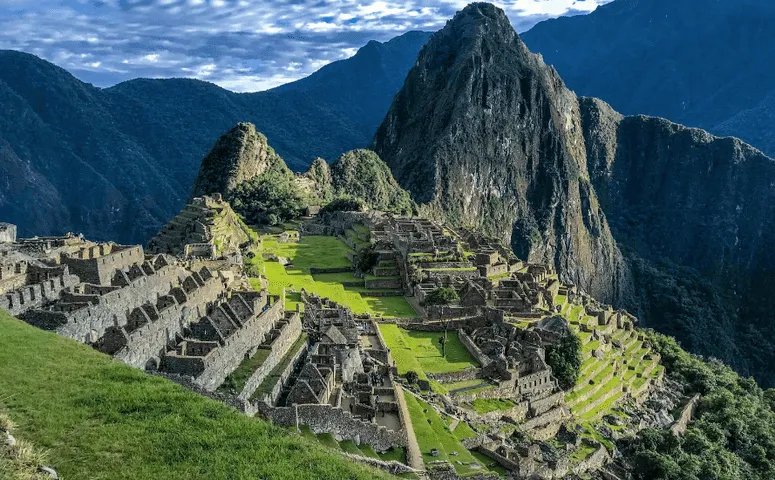
Yes, July is one of the best months to visit Machu Picchu, with clear blue skies, plenty of sunshine, and the best photo visibility of the year. The trade-off is that it coincides with peak international tourism, so book permits, trains, and lodging months in advance.
What temperatures should I expect in July?
Daytime highs average around 72°F (22°C), while nighttime lows drop to around 49°F (9°C). The swing from warm afternoons to cold evenings is real, so warm layers for the evening matter.
Does it rain at Machu Picchu in July?
July is one of the two driest months of the year at the sanctuary, with heavy downpours essentially absent. Passing moisture can still produce a brief mountain mist, so a lightweight waterproof shell is worth keeping in your daypack as a backup.
When is the best time of day to enter in July?
The best entry window is early morning between 6:00 AM and 8:00 AM, for softer light and a quieter site before day-trip trains arrive. Late afternoon (3:00 PM to 5:00 PM) is also strong, since the site empties out as day-trippers head back down.
What should I wear and bring for July?
Pack breathable base layers, an insulating fleece, and a light windproof jacket for July’s temperature swing. Add sturdy hiking shoes, a sun hat, UV sunglasses, high-SPF sunscreen, insect repellent, a power bank, and small denominations of Peruvian soles.
Is July good for hiking the Inca Trail or other treks?
Yes, July offers strong hiking conditions with dry, stable trails free of the mud common in wetter months. Inca Trail permits can sell out months ahead given the demand, though alternatives like the Salkantay or Lares treks remain excellent options.
Should I acclimatize to the altitude before visiting?
Yes. Spending your first 24 to 48 hours in the lower-elevation Sacred Valley rather than Cusco lets your body acclimate more comfortably and reduces the chances of altitude sickness disrupting your trip.
How does July weather in Cusco compare to Machu Picchu?
Cusco sits notably higher than Machu Picchu (roughly 11,152 ft vs. 7,972 ft, or 3,400 m vs. 2,430 m), which makes Cusco colder, especially at night, with July temperatures sometimes approaching freezing. A light jacket usually works at the ruins during the day, but evenings in Cusco call for a warmer coat, hat, and scarf.
Will I encounter freezing temperatures on multi-day treks in July?
Yes. High-altitude campsites on the Salkantay Trek or Inca Trail, some above 3,900 m (12,800 ft), can see night temperatures well below freezing. Daytime hiking is generally warm and sunny, but pack thermal layers and a proper four-season sleeping bag for the nights.