

background

How Is the Weather at Machu Picchu in August?

How Is the Weather at Machu Picchu in August?

August represents the golden finale of the peak dry season in the Peruvian Andes, offering some of the most dependable, sun-drenched weather of the entire year. If you are scheduling your expedition to the ancient Inca sanctuary during this month, you can expect crisp mountain mornings, deep blue skies, and unparalleled panoramic visibility. However, because August delivers prime climate conditions, it also marks the height of the international summer vacation rush. Achieving a flawless, stress-free experience requires a perfect blend of smart timing, precise wardrobe selection, and early logistical planning.

Successfully navigating Machu Picchu in August involves mastering more than a basic temperature forecast. To help you stay ahead of the high-season dynamics, this definitive guide provides a field-tested breakdown of everything you need to prepare—from managing the dramatic day-to-night temperature drops to navigating the differences between alpine Cusco and the high-humidity cloud forest.

Key Takeaways: August Weather and Travel Insights

  • Premium Dry Season Window: August features exceptionally clear skies, brilliant daytime sunshine, and minimal risk of rain, offering the absolute highest probability of unobstructed, postcard-perfect photography views.
  • Bracing Temperature Fluctuations: Expect pleasant, comfortable daytime highs reaching up to 19°C (66°F) under direct sunlight, contrasting sharply with chilly, brisk alpine nights that drop down to 7°C (44°F).
  • Peak High-Season Crowds: August stands as one of the busiest travel months on the Peruvian calendar. Securing your chosen citadel circuit permits, premium panoramic train carriages, and expert private guides several months ahead is non-negotiable.
  • Tactical Entry Timing: To experience the ruins at their most serene, we highly recommend securing entry tickets for either the crisp early morning window (6:00 AM to 8:00 AM) or the tranquil late afternoon golden hour (3:00 PM to 5:00 PM).
  • Versatile Packing Strategy: Because the microclimates shift rapidly as you move through the valleys, mastering a tactical layering strategy—complete with robust high-traction footwear, intense sun protection, and a lightweight backup rain shell—is essential.

Weather in August at Machu Picchu: What to Expect

August is widely considered a premier month to explore Machu Picchu, serving as the golden finale of the Andean dry season. Travelers are greeted by long hours of crisp sunshine and pristine, clear blue skies that create flawless conditions for exploring the stone architecture. However, because the sanctuary rests in a specialized microclimate between the high mountains and the Amazonian cloud forest, planning your daily schedule and selecting the right Machu Picchu circuit requires a solid understanding of the region’s shifting weather patterns.

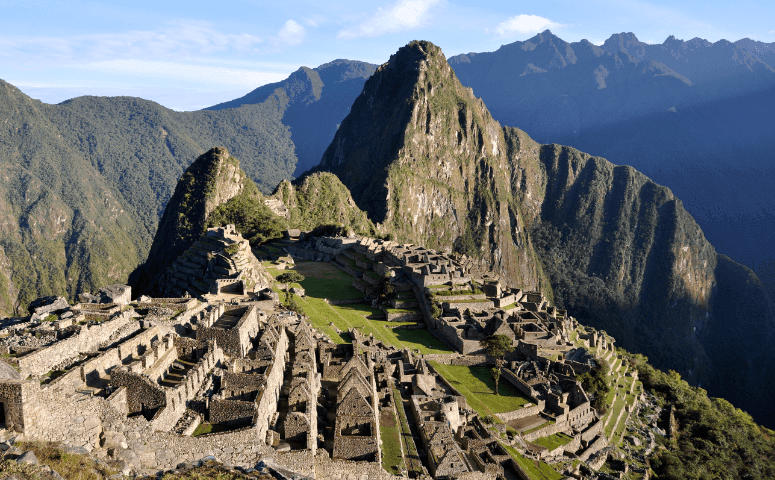
Sunny machu picchu ruins with Exploor Peru

Temperature Range and Daily Cycles

A typical day in August features highly comfortable, spring-like daytime highs averaging 19°C (66°F) and brisk, cold nighttime lows dropping to 7°C (44°F).

  • Daytime: Under the direct, unclouded high-altitude sun, the ruins can feel quite warm and tropical, especially when climbing the stone staircases.
  • Nighttime: The moment the sun dips behind the granite ridges, temperatures plummet instantly. If you are staying overnight in Aguas Calientes or nearby Ollantaytambo, packing cozy evening wear is essential.

Rain and Changing Andean Weather Patterns

Statistically, August is one of the driest months of the entire year in the region, making it highly unlikely that your tour will be interrupted by heavy downpours. However, the weather in the Andes is inherently unpredictable. Brief, passing pockets of mountain mist can sweep through the canyon at any time, meaning a lightweight, packable rain jacket should always have a permanent spot in your daypack just in case.

Rain chart august Machu Picchu Peru with Exploor Peru

Humidity, Clouds, and the Iconic Morning Mist

August delivers some of the highest frequencies of cloudless days all year, making it one of the absolute best months to capture unobstructed, postcard-perfect photographs of the citadel.

🌫️ The Local Insight on Humidity: While official climate data notes an average relative humidity of 100% in August, this does not mean the weather is rainy or oppressively muggy. Because the ruins are perched high above the Urubamba River canyon, intense morning thermal vapors naturally rise at dawn, creating a beautiful, dramatic blanket of white mist over the stones. This mist almost always burns off completely by 9:00 AM, revealing bright, sunny skies underneath.

To compare changing weather baselines, trail conditions, and seasonal microclimates across other months of the year, explore our comprehensive master guide on the weather at Machu Picchu.
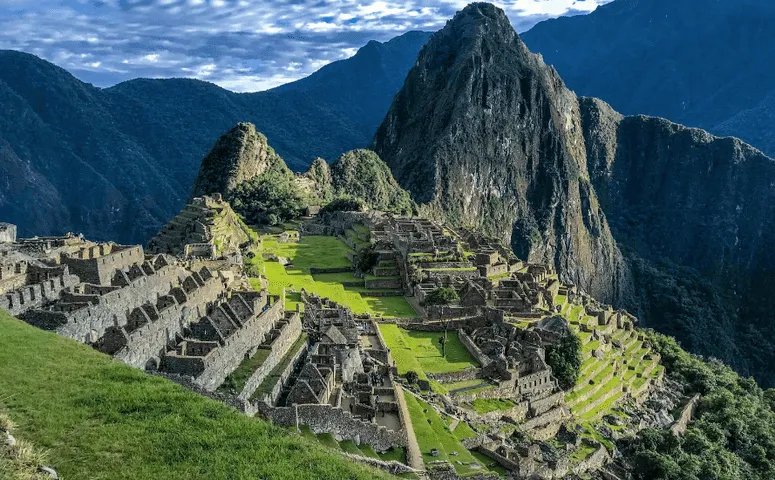
Ruins machu picchu with Exploor Peru

Pros and Cons of Visiting Machu Picchu in August

Choosing to experience the ancient Inca sanctuary in August involves balancing the most reliable, postcard-perfect weather of the year against the realities of peak international travel season. While the climate is arguably flawless, navigating the mid-winter crowds requires a highly strategic approach.

To help you evaluate your travel window, we have broken down the definitive advantages and disadvantages of an August expedition:

The Pros: Gold-Standard Visibility and Pristine Trails

  • Unrivaled Panoramic Visibility: Because August represents the absolute peak of the dry season, rain is an extreme rarity and cloud cover is minimal. You are virtually guaranteed those crisp, high-contrast vistas of the citadel framed by Huayna Picchu, completely free of the dense mountain mist that often masks the ruins during the shoulder months.
  • Optimal Exploration Climate: Daytime temperatures hovering around 19°C (66°F) combined with fresh mountain breezes create the ultimate climate for exploring. You can walk the stone staircases and terraces comfortably without the oppressive heat or sticky humidity of the summer rain season.
  • Elite Trekking Conditions: If you have your sights set on world-class mountain expeditions, August delivers pristine, dry trail conditions. The lack of mud and highly stable terrain make it the premier calendar month to embark on the iconic Inca Trail trekking tour or the rugged, high-altitude 5-day Salkantay Trek.
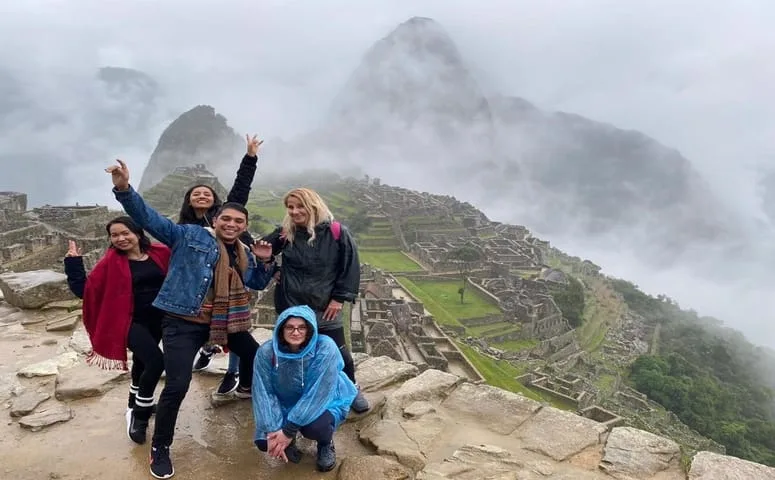
Group of travelers pointing with hands to machu picchu with Exploor Peru

The Cons: High-Season Logistics and Demanding Deadlines

  • The High-Season Congestion: August coincides with northern hemisphere summer vacations and key local travel holidays, creating the highest density of global travelers all year. This results in bustling train platforms, longer lines at the Aguas Calientes shuttle bus gates, and peak-season premium pricing for luxury accommodations.
  • Strict Booking Lead Times: Spontaneous travel to Machu Picchu in August is practically impossible. Due to strict government capacity caps on the standard viewing loops, entrance tickets, premium train cabins, and top-tier private guides routinely sell out 3 to 4 months in advance.
  • Brisk, Chilly Alpine Nights: While daytime hours under direct sunlight feel warm and pleasant, the mountain air cools instantly at dusk, dropping down to 7°C (44°F) or lower. If you are staying overnight in Cusco or the valley, packing heavy insulated layers is an absolute necessity.

🎯 The Exploor Verdict: When properly coordinated by local experts, the logistical challenges of August are easily managed. The guarantee of flawless blue skies and spectacular photography conditions far outweighs the effort of planning ahead, making August an extraordinary time to see the citadel at its absolute finest.

Practical Recommendations for Your August Machu Picchu Expedition

Bypassing the high-season crowds and maximizing your mid-winter adventure requires precise, tactical execution. To ensure your journey remains smooth, comfortable, and entirely unforgettable, integrate these five field-tested insider recommendations into your final itinerary plans:

Many travelers at machu picchu with Exploor Peru

1. Optimize Your Entry Timing (Early Morning or Late Afternoon)

The absolute sweet spot for entering the archaeological site in August is either during the early morning wave (6:00 AM to 8:00 AM) or the tranquil late afternoon slot (3:00 PM to 5:00 PM). Arriving at dawn allows you to witness the spectacular sunrise mist burning off the peaks under crisp, cool air. Conversely, entering in the late afternoon rewards you with an incredibly peaceful experience, as the vast majority of standard day-trippers have already headed back down to the train station, leaving the terraces beautifully empty for photography.

2. Master the Art of Tactical Layering

Because the climate swings dramatically from a cold morning low of 7°C (44°F) to a bright, sun-exposed afternoon high of 19°C (66°F), packing a versatile wardrobe is essential. We recommend dressing in highly breathable, moisture-wicking base layers, adding a comfortable long-sleeve fleece or lightweight sweater, and keeping a packable windbreaker or light rain shell inside your daypack. Don’t forget high-SPF sunscreen, polarized sunglasses, and a wide-brimmed hat, as the high-altitude Andean sun is exceptionally intense in August.

3. Secure All Logistics Months in Advance

As the absolute zenith of Peru’s tourism calendar, last-minute travel planning for August is highly risky. To guarantee you secure your preferred viewing loops, prime panoramic train frequencies, and top-tier boutique accommodations, you should book all reservations at least 3 to 4 months ahead. Attempting to purchase walk-up tickets or transit vouchers upon arrival will result in major logistical delays or missing out on the citadel entirely.

4. Partner With an Elite Private Guide

Machu Picchu is a complex architectural and historical puzzle; without deep contextual storytelling, it is easy to miss the brilliant engineering hidden within the stone walls. Enlisting a professional historian brings the sanctuary to life. Our highly rated Machu Picchu tour from Cusco provides a seamless, premium itinerary accompanied by an expert private guide who handles the crowd flow, explains the ancient astronomical alignments, and takes care of the strict checkpoint logistics for you.

Traveler with guide smiling Machu Picchu Peru with Exploor Peru

5. Prioritize Strategic Acclimatization

Acute Mountain Sickness (AMS) can quickly disrupt an otherwise perfect holiday if your body isn’t given proper time to adjust to the elevation. Rather than staying immediately in high-altitude Cusco upon landing, the smartest logistical move is to head straight down into the lower-elevation Sacred Valley for your initial 48 hours. This gentler transition lets your respiratory system adapt comfortably before you embark on any heavy walking or mountain trekking. For a comprehensive medical and practical checklist on staying healthy, explore our definitive survival guide covering altitude sickness and how to avoid it.

August Travel Packing List for Machu Picchu

Preparing your wardrobe for an August expedition to the Andes requires a smart, strategic approach due to the stark contrast between intense, sun-drenched daytime hours and crisp, cold mountain evenings. Ensuring your daypack is stocked with the right gear allows you to transition smoothly between shifting microclimates. Before finalizing your luggage, cross-referencing our ultimate, field-tested Machu Picchu packing list ensures you will not leave any essentials behind.

Different hiking gear such as yellow jacket, hiking pants, backpack, shoes and shirt Machu Picchu Peru with Exploor Peru

Recommended Clothing and Layering Essentials

As you navigate the open terraces, the key to staying comfortable is adaptable layering. Under the direct, unclouded August sun, you will likely find yourself stripping down to a light tee, but a heavy chill sets in the moment cloud cover passes or the afternoon wind picks up.

Your daypack wardrobe should feature:

  • Moisture-Wicking Base Layers: High-performance, breathable shirts that effectively handle perspiration during steep climbs.
  • Insulating Mid-Layers: A premium fleece jacket, lightweight down vest, or a comfortable long-sleeve sweater.
  • Outer Protection: A packable windbreaker or light, waterproof rain shell to shield against sudden high-altitude breezes or unexpected mountain mist.
  • Sun Shielding: Polarized UV sunglasses and a wide-brimmed safari or baseball hat are mandatory to protect your eyes and face from intense high-altitude radiation.

Footwear for Technical Mountain Terrain

Navigating the historic sanctuary involves traversing hundreds of uneven, narrow stone steps, slippery gravel paths, and exposed ridge lines. To guarantee top-tier safety and ankle stability, invest in broken-in, waterproof hiking shoes or sturdy trail runners featuring deep rubber lug traction.

Wearing robust, high-grip footwear becomes an absolute priority if you have secured passes to scale one of the soaring peaks flanking the citadel. If you are still finalizing your itinerary logistics, take the time to review the physical demands and panoramic differences between Huayna Picchu and Machu Picchu Mountain to select the perfect trail perspective for your fitness level.

Essential Gear and Accessories Checklist

  • Ergonomic Daypack: Opt for a small, lightweight backpack to house your daily gear. Keep in mind that park authorities strictly limit bags to a maximum size of 40 x 35 x 20 cm; larger backpacks must be checked at the entrance storage lockers.
  • High-UV Sunscreen and Insect Repellent: Because Machu Picchu lies close to the equator at a high elevation, UV rays are exceptionally powerful. Additionally, the warm August cloud forest conditions welcome aggressive biting midges (los simúlidos). Pack a premium, high-DEET repellent to keep them at bay.
  • High-Capacity Power Bank: Extreme temperature drops combined with taking hundreds of high-resolution photos will drain your smartphone battery rapidly. Keep a backup battery brick handy so your phone stays charged for capturing memories and researching the best restaurants in Aguas Calientes for your post-tour celebratory dinner.
  • Nutritious Energy Snacks: Bring along compact, lightweight fuel options like raw almonds, trail mix, or artisanal energy bars to maintain your stamina throughout the extensive walking loops.
  • Optics and Camera Gear: Don’t forget your camera, spare memory cards, and a pair of compact travel binoculars to inspect the masterful mortarless masonry and distant mountain peaks in vivid detail.
  • Local Cash (Peruvian Soles): While major hotels and restaurants accept international credit cards, carrying small denominations of local currency (S/) is vital for tipping baggage handlers, buying artisanal textiles, or paying the small fee to access the restrooms at the main entrance gate. 

Uncovering the Serenity and Splendor of Machu Picchu’s Scenery in August

Ultimately, choosing to experience Machu Picchu in August presents an incredibly rewarding travel window. The near-total absence of rainfall and cloud cover rewards you with crisp, high-contrast, sapphire-sky backdrops that elevate your travel photography and make exploring the stone structures an absolute joy. It is undeniably the premier window of the year to challenge yourself on legendary multi-day Andean wilderness treks, such as the classic Inca Trail or the alpine Salkantay Trek.

Alpacas at machu picchu with Exploor Peru

The single caveat to a mid-winter journey is that you will be sharing this world wonder with other passionate global travelers. To protect your vision of a calm, well-paced holiday, booking your permits months in advance is an absolute necessity—particularly if your heart is set on adding a high-altitude climb up Huayna Picchu or Machu Picchu Mountain to your circuit. Balancing these high-season logistics with your personal travel goals guarantees an unmatched historical expedition.

Now that you are fully equipped to handle the August weather patterns, the next step in crafting your dream Peruvian itinerary is understanding how to connect the puzzle pieces of your trip seamlessly. Discover exactly why you should combine the Sacred Valley with Machu Picchu to create a smooth, culturally immersive, and perfectly acclimatized route through the land of the Incas.

Frequently Asked Questions About Machu Picchu Weather in August

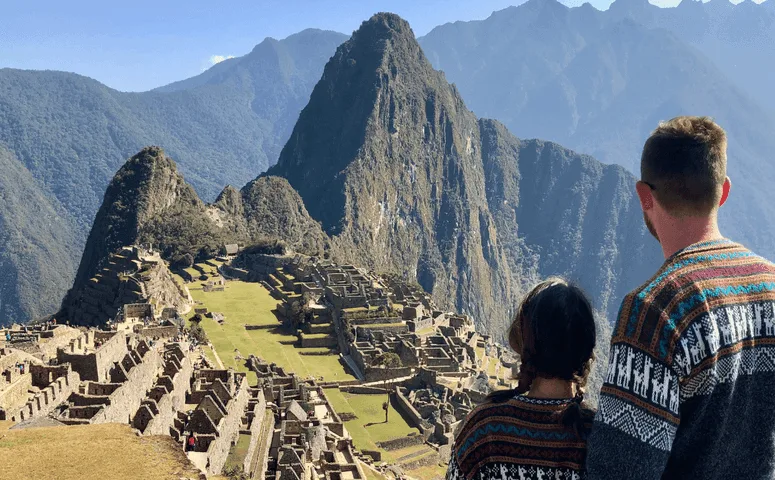
Couple standing next to each other in front of machu picchu with Exploor Peru

Is August a Good Time to Visit Machu Picchu?

Yes, August is universally considered one of the absolute best months of the year to explore Machu Picchu. It sits at the heart of the Andean dry season, which guarantees a high frequency of beautifully clear, sunny days with virtually no rain. The trade-off for these pristine conditions is that August represents the pinnacle of the international summer vacation rush, making it essential to coordinate all permits and logistics well in advance.

What Weather Should I Expect in August?

The climate in August is characterized by magnificent sunny days and crisp, cool nights. You can expect highly comfortable daytime highs averaging 19°C (66°F) under direct sunlight, which can feel quite warm while walking. However, temperatures drop rapidly at sunset, falling to a brisk nighttime low of 7°C (44°F). While official data indicates high relative humidity due to the surrounding cloud forest, the skies remain predominantly cloudless throughout the month.

How Can I Avoid Crowds in August?

To outsmart the high-season congestion, the ultimate strategy is to secure your entrance permits for either the early morning window (6:00 AM to 8:00 AM) or the tranquil late afternoon slot (3:00 PM to 5:00 PM). Arriving early allows you to experience the morning mist lifting off the ruins, while the late afternoon offers a peaceful atmosphere after the standard day-tripper crowds have departed. Because demand is exceptionally high, booking your specific circuits, train tickets, and private guides 3 to 4 months ahead is mandatory.

What Should I Wear and Pack for August?

The golden rule for an August expedition is tactical layering. You should wear a breathable, moisture-wicking base layer, add an insulating fleece or light sweater, and carry a compact, waterproof windbreaker as a backup for unexpected mountain breezes. Essential gear includes broken-in hiking shoes with deep rubber traction, a wide-brimmed sun hat, UV-protection sunglasses, high-SPF sunscreen, a premium insect repellent for cloud forest midges, a high-capacity power bank, and small denominations of local currency (Peruvian Soles).

Is August Good for Hiking the Inca Trail or Other Treks?

Yes, August delivers prime, gold-standard trekking conditions across the region. The sustained dry spell ensures that multi-day wilderness paths are firm, stable, and entirely free of heavy mud. Because trail conditions are so flawless, available permits for the classic Inca Trail and popular luxury alternatives like the Salkantay Trek or Lares Trek sell out many months in advance, requiring early reservation to secure your dates.

3 Comments
  • 20 July, 2026 at 9:40 pm

    Muchas gracias por los consejos que das a los viajeros que van a ese hermoso y místico lugar , ayuda mucho 🙏😉👍

  • 4 December, 2024 at 11:48 am

    Such a helpful guide for planning a trip to Machu Picchu in August! 🌞❄️ Knowing about the warm days and chilly nights makes it so much easier to pack the right clothing. Thanks for providing such practical and detailed tips—it’s exactly what travelers need for an unforgettable experience!

    • 4 December, 2024 at 12:39 pm

      Hey Mason, thank you so much for your kind words! I’m thrilled you found the guide helpful for planning your trip to Machu Picchu in August. Wishing you an unforgettable adventure at this magical destination—safe travels and feel free to reach out if you have any more questions or need anything!

Leave a comment

Loading
>