

Everything You Need to Know About the Weather in Cusco
- 23 May, 2026
- by Konsti Sobon
Cusco weather - dry season (Apr-Oct): sunny days, cold nights; rainy season (Nov-Mar): frequent afternoon showers, mild days and chilly nights.
Read more

Peru’s global reputation as a culinary powerhouse extends far beyond its award-winning gastronomy. The exact same geographic diversity that yields world-class ingredients also anchors a rich heritage of regional beverages. Tasting traditional Peruvian drinks isn’t merely an enjoyable part of your vacation itinerary; it offers a direct, immersive window into the country’s cultural evolution, blending ancient pre-Inca agricultural customs with Spanish colonial influences and modern mixology.
At the forefront of this liquid heritage is the legendary Pisco Sour, a beautifully balanced cocktail that serves as an essential welcome ritual for international travelers. Whether you’re adjusting to the coastal vibe or sitting down for a meal at one of the premier best restaurants in Lima, starting your evening with a well-poured local beverage is a genuine Peruvian tradition. Beyond this iconic spirit, the country’s Peruvian drinks include vibrant herbal elixirs, sweet purple corn brews, and unique sodas worth seeking out.
Below, we break down the definitive list of both alcoholic and non-alcoholic Peruvian drinks to look for on your journey. If you’d rather preview these local flavors visually, our quick video guide covers the same ground.
If you prefer watching a short video about the topic, here it is:
The vast world of Peruvian gastronomy is celebrated for its bold, complex flavor profiles, and its traditional beverages are no exception. Here are the nine essential Peruvian drinks you’ll encounter across the coast, the Andes, and the Amazon basin, before we go into the history and preparation of each:
The undisputed national drink of Peru, the Pisco Sour, has a fascinating history. It was originally created in the early 1920s by an American bartender named Victor Morris at his Morris’ Bar in downtown Lima. Since then, it’s been refined by generations of Peruvian cantineros into a world-class cocktail. Today, pisco culture is a source of national pride.
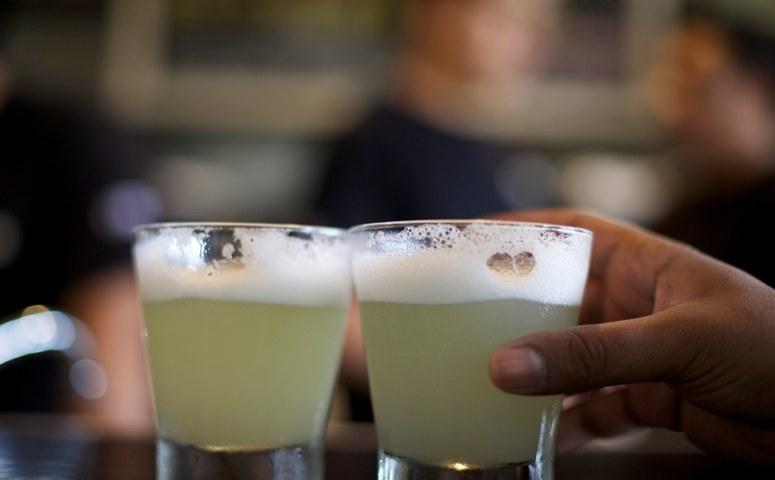
The classic recipe follows a strict balance: premium grape-based pisco brandy, fresh key lime juice, simple syrup, a raw egg white, and a dash of Angostura bitters dropped on top of the foam. The ingredients are dry-shaken or blended with ice to create a velvety layer of white foam that holds the bitters. It’s a crisp, refreshing drink that makes a natural celebratory close to a day out on our Peru tours.
If you’re after a lighter, more casual alternative to the Pisco Sour, the Chilcano is the choice. The traditional version is a straightforward, bubbly highball made from pisco, ginger ale, fresh lime juice, and a few drops of bitters over ice.

Because it’s easy to drink and less spirit-forward than a sour, it’s a local favorite for long, relaxed afternoons. Modern craft bars in Lima and Cusco frequently elevate the classic Chilcano by infusing the pisco with local fruits, like maracuyá (passion fruit), wild strawberries, mango, or coca leaves.
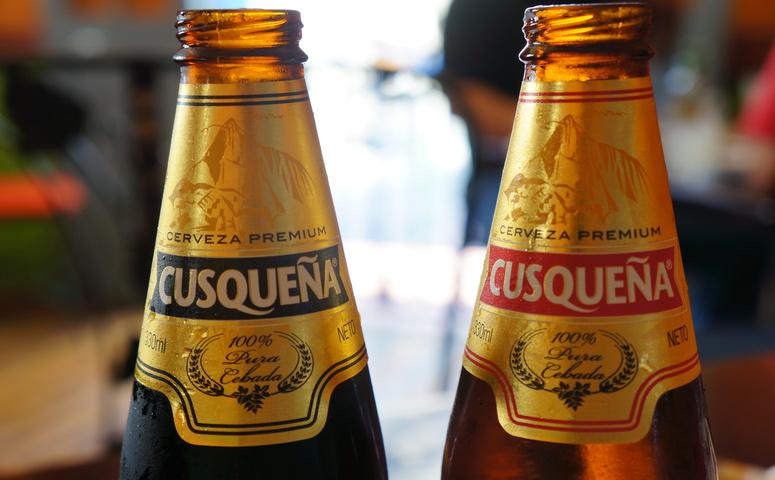
While pisco dominates the cocktail menus, beer is the most popular everyday social beverage among locals. The market is anchored by three major legacy breweries, each tied to specific regional identities:
Stepping into the high-altitude villages of the Sacred Valley, you can taste a beverage with deep historical significance: Chicha de Jora, an ancestral corn beer prepared across the Andes since the Inca Empire, consumed during religious ceremonies and agricultural festivals.

Unlike modern lagers, Chicha de Jora is crafted by malting, boiling, and fermenting native yellow corn (maíz de jora) in large clay vessels. It pours a cloudy, opaque color with a dense natural foam. The taste starts with a mild, earthy sweetness before settling into a sour, slightly bitter finish.
No trip to Peru is complete without trying Inca Kola, the glowing neon-yellow carbonated beverage with major cultural status across the nation. Its history traces back to 1910, when an immigrant English family, José and Martha Lindley, established a soft drink company in Lima’s Rímac district. They launched the Inca Kola formula in 1935 to coincide with the city’s 400th anniversary.

Flavored primarily with hierba luisa (lemon verbena), Inca Kola has a distinct, intensely sweet aroma that international travelers often compare to liquid bubblegum or cream soda. It’s popular enough to outsell Coca-Cola within the country, and it’s considered the standard pairing for a classic Chifa (Peruvian-Chinese fusion) meal.
For a non-alcoholic option, Chicha Morada is an everyday staple found on virtually every table in Peru. This deep purple drink is brewed from dried maíz morado (purple corn), a strain cultivated along the Andean foothills since pre-Inca times.

To prepare an authentic batch, home cooks boil the purple corn cobs in water with pineapple rinds, green apples, quince, cinnamon sticks, and cloves. Once the liquid cools into a rich concentrate, it’s strained, sweetened with sugar, and finished with fresh key lime juice.
Purple corn’s anthocyanins, the compounds behind its color, are genuinely antioxidant-rich, and a few small Peruvian studies have found modest, short-term effects on blood pressure and inflammation markers. That said, the research is limited in scale, and at least one follow-up study by the same research group found no significant blood pressure effect on a second look. Treat chicha morada as a genuinely tasty, mildly antioxidant drink rather than a proven remedy, and note that most recipes add a fair amount of sugar, which offsets some of the health story.
An essential wellness ritual upon landing in high-altitude destinations like Cusco, Arequipa, or Puno is enjoying a steaming cup of Mate de Coca. This herbal infusion is prepared by steeping whole, dried leaves of the native coca plant in boiling water.

Long before modern travel, Andean communities used the coca leaf as a stimulant to combat fatigue, hunger, and cold. Today, it remains a common natural remedy people reach for to ease symptoms of soroche, or altitude sickness. The flavor is grassy and mild, similar to a good green tea.
Thanks to its microclimates spanning from the Pacific coast to the Amazon basin, Peru is a genuine agricultural paradise. One of the best ways to experience that biodiversity is by sampling freshly pressed fruit juices (jugos naturales) at a traditional central market.

Local juice stalls offer an endless menu, from standard favorites like papaya, passion fruit, and pineapple to native fruits like creamy lúcuma, sweet chirimoya (custard apple), aguaymanto (golden berries), and vitamin-C-rich camu camu.
For a true local combination, order a Jugo Especial: a thick, meal-like smoothie blending seasonal fruits with a raw egg, evaporated milk, algarrobina (carob syrup), and sometimes a splash of dark Cusqueña beer. It’s rich and traditionally shared as a midday pick-me-up.
As evening falls and the mountain air turns crisp, you’ll notice locals gathering around street carts to order a steaming glass of Emoliente. This herbal drink is a pillar of Peruvian street food culture, consumed especially during cooler months for its reputed medicinal properties.

An emolientero starts with a hot, viscous base brewed from toasted barley (cebada), roasted flaxseed (linaza), dried horsetail (cola de caballo), alfalfa sprouts, and plantain leaves. The vendor then customizes your glass with herbal extracts like boldo, cat’s claw (uña de gato), or fresh lime juice. The texture is thick and slightly gelatinous from the flaxseed, with a mildly sweet, herbaceous flavor.
Exploring Peru’s liquid heritage is a genuine part of any culinary trip through the country, and these drinks are best appreciated paired thoughtfully with the local food. For that, our guide to the best food in Peru covers how to match these flavors with local specialties before you fly.
Whether you’re sharing a bubbly Chilcano at a coastal lounge, sipping a historic Chicha de Jora in the Sacred Valley, or warming up with an Emoliente on a crisp Andean evening, Peru’s beverage culture is a genuine part of the trip, not a side note.
The most popular Peruvian drinks are the Pisco Sour, Chicha Morada, Inca Kola, Chilcano, Mate de Coca, and Emoliente. These staple beverages appear across home kitchens, local markets, and upscale restaurants alike, reflecting a historical fusion of indigenous Andean agriculture and Spanish colonial mixology.
Peru’s national cocktail, the Pisco Sour, is made of premium pisco, freshly squeezed key lime juice, simple syrup, a raw egg white, and a dash of aromatic bitters. The ingredients are dry-shaken or blended with ice to form a silky layer of white foam that balances the cocktail’s sharp citrus.
Yes. Peru has a vibrant selection of non-alcoholic drinks, anchored by sweet purple corn drinks like chicha morada, warm street remedies like emoliente, and herbal infusions like mate de coca. Because the country has such diverse agricultural microclimates, menus also universally feature a wide variety of freshly pressed tropical fruit juices.
Chicha Morada is a non-alcoholic Peruvian drink made by boiling dried purple corn with pineapple rinds, apples, cinnamon, and cloves, then sweetening the cooled concentrate with sugar and lime juice. It tastes fruity, sweet, and lightly spiced; the antioxidant health claims attached to it are real in a modest, preliminary sense, not a settled medical benefit.
Yes, traditional Peruvian beverages are safe for international tourists, provided you buy them from established restaurants, boutique hotels, authorized cafés, or clean, well-reviewed vendors. If you have a sensitive stomach, confirm the establishment uses purified ice and be more selective about open-container drinks from unvetted street stalls.
Peruvian pisco is distilled only once, straight to proof, and never aged in wood or diluted with water, producing a clear, robust spirit. Chilean pisco production generally allows multiple distillations, column-still processing, water dilution, and aging in oak barrels, which changes both the color and the flavor.
Yes. Travelers 21 and older can bring one liter of alcohol into the US duty-free as part of their personal exemption, with additional bottles subject to duty and federal excise tax. Pack bottles sealed and cushioned in your checked baggage, since liquids over the standard carry-on limit aren’t permitted through security.


M G3 December, 2023 at 4:55 pm
Una de las mejores cocinas del mundo no puede dejar de tener una lista tan interesante culturalmente de bebidas. GRACIAS PERU. Uno de los mejores destinos para el turismo mundial desde lejos y por siempre…
Luis Angel10 December, 2021 at 10:20 am
Hola a mi me gusta la chicha de jora a base de maíz y además la de siete semillas excelente bebida
Oliver from Exploor25 December, 2021 at 12:44 pm
Hola Luis! La chicha de jora es otra excelente bebida, tienes toda la razón! Saludos y feliz navidad 🙂
Sandro29 August, 2021 at 6:43 pm
Muy buena información, muchas gracias por compartirla. Mi trago favorito es el Pisco Sour, SAludos desde Surco
Exploor Peru6 September, 2021 at 9:24 pm
Hola Sandro, qué tal? Gracias por tu comentario. Nos alegra que te guste la info 🙂 Por cierto, nos encanta el Pisco Sour también! Saludos, tu equipo Exploor
Rocío4 August, 2021 at 2:50 pm
Excelente sin duda alguna el Perú es buen lugar para visitar y degustar de su basta gastronomía, cultura, tradiciones, música y folklore…