

Is Peru Safe?
- 26 April, 2026
- by Konsti Sobon
Peru is generally safe for visitors as long as you stay alert: hide valuables, use official taxis, keep cash minimal, and pick secure lodging.
Read more
Thinking about Machu Picchu in January? You’ll be visiting in the wettest stretch of the rainy season, when the citadel is greener, quieter and more often wrapped in cloud than in any of the dry months. That trade-off suits some travelers perfectly and frustrates others, so it pays to know what you’re signing up for.
This guide covers what January weather is really like at Machu Picchu, the pros and cons of going now, the best time of day to enter, the rules that matter on a rainy day, and what to pack.
If you’d rather not juggle trains and tickets around the weather, our Machu Picchu day trip from Cusco includes the round-trip train, the bus up to the site, your entry ticket and a private English-speaking guide, with hotel pickup in Cusco or the Sacred Valley.

January sits in the middle of the rainy season. Rain usually starts building in October or November and stays heaviest from January to March, so the month brings frequent showers, high humidity and deep green slopes around the ruins of Machu Picchu. Stone steps get slippery when wet, which is worth keeping in mind when you choose your Machu Picchu circuit.
Machu Picchu sits at 7,972 feet (2,430 meters), lower and milder than Cusco at 11,152 feet (3,400 meters). In January, average highs reach about 69°F (21°C) and lows drop to about 53°F (12°C), according to Wanderlog’s averages, which are based on NASA climate data for 2010 to 2020. Days feel pleasant when the sun breaks through, but mornings and evenings are cool and damp, so layers matter more than heavy winter clothing. You’ll have about 12.8 hours of daylight, with sunrise around 5:34 a.m. and sunset around 6:22 p.m.
A lot. Rainfall averages about 13.4 inches (341 mm) for the month, with rain likely at some point on almost every day. That doesn’t mean you’ll be soaked all day, but you should plan as if you’ll see rain at some point during your visit. If you don’t mind the weather and would rather see the citadel with fewer people around, January can still work well.
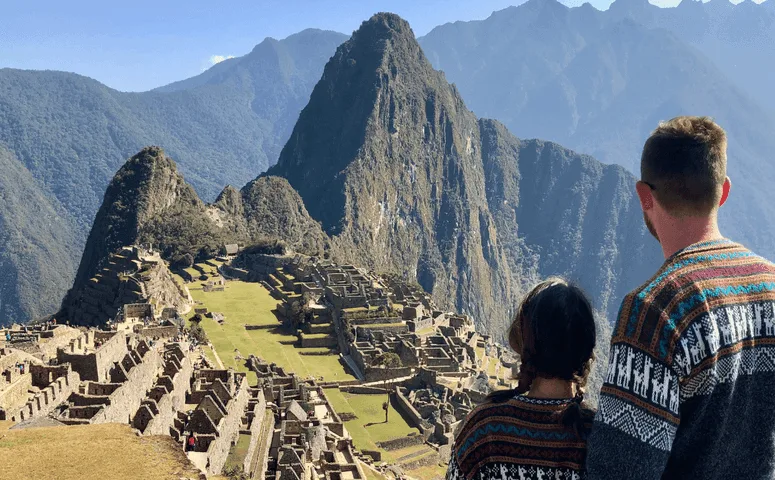
The air stays very humid in January. Low clouds often drift through the ruins and across the surrounding peaks, hiding the classic view for a while and then lifting again. If a clear postcard shot is your priority, give yourself extra time at the viewpoints.
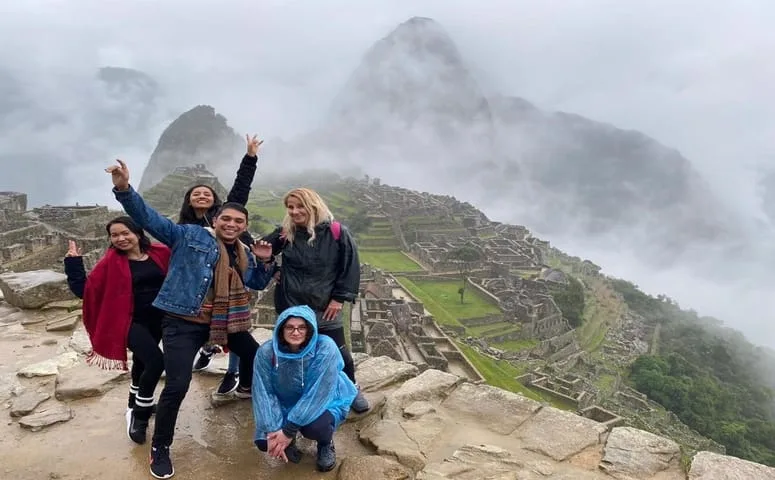
January at Machu Picchu is mild, wet and atmospheric. To compare it with the other months and seasons, see our guide to the weather at Machu Picchu.
A trip to Machu Picchu in January has a particular mix of pros and cons. Here’s how they balance out.

In weighing these up, the question is how much you mind the rain compared with how much you value a quieter, greener Machu Picchu. If you’re flexible with your schedule, January can work well.
Making the most of Machu Picchu in January takes a little more planning than in the dry season. These 7 tips will help.

Based on our experience, the best time to enter Machu Picchu in January is roughly between 10 a.m. and 2 p.m. Mornings are often cloudy, the fog tends to lift around late morning, and afternoon showers are common. Tickets are sold for a set entry time, so pick your slot when you book.
Pack waterproof and breathable layers, plus a rain jacket. Conditions can shift between sun, cloud and showers during the same visit, so it helps to add or remove a layer as you go. More on this below.
Allow for weather-related trail closures or train delays. If you can, leave a buffer day between your Machu Picchu visit and your international flight home.
A guide gives you the history and context of each sector, and a tour takes the train, bus and ticket bookings off your hands. If you’d like a slower pace, our 2-day Machu Picchu and Sacred Valley tour visits Moray, Maras and Ollantaytambo on day 1, then includes a 2-hour guided visit of Machu Picchu on day 2.
Check the forecast and any trail or rail notices in the days before your visit. It helps you pick the right layers and spot disruptions early.
Umbrellas are not allowed inside Machu Picchu, so pack a rain poncho instead. There are no restrooms past the entrance turnstiles and no re-entry once you’re in, so use the facilities at the gate. Backpacks are limited to roughly 16 x 14 x 8 inches (40 x 35 x 20 cm), and trekking poles are only allowed with rubber tips.
The Inca Trail is open in January and closes for the whole of February. Expect wet, muddy sections and cloud over the passes. Our Inca Trail tours include a permit issued in your name, transfers from Cusco and a licensed English-speaking guide.
In January, packing well makes the difference between a soggy day and a comfortable one. Use our full Machu Picchu packing list as a base and adjust it for the rain.

Layering is essential for the changing conditions. Bring light, moisture-wicking base layers, a comfortable mid-layer, a waterproof jacket and a rain poncho that fits over your backpack. Add a hat and sunglasses: the sun can be strong between showers.
Wear sturdy, waterproof hiking boots with good grip. The trails and stone steps get slippery after rain, and reliable footwear makes the visit safer and more comfortable.
Good boots matter even more if you plan to hike Huayna Picchu or Machu Picchu Mountain. Learn the differences between Machu Picchu Mountain and Huayna Picchu to choose the right climb for you.
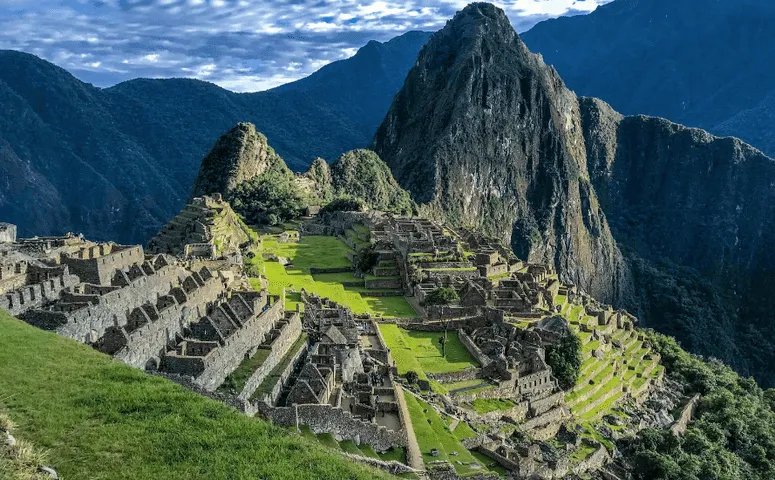

Visiting Machu Picchu in January means mild temperatures, frequent rain and fog, and far fewer people than in the dry season. The upsides are quieter paths, greener scenery and often better availability and prices. The downsides are less predictable views, possible trail closures and train delays.
If you can stay flexible and pack for the rain, January offers a calmer, greener Machu Picchu. Before you go, take a look at these 8 facts about Machu Picchu that you didn’t know.

Yes, if you are comfortable with rain and cloud. January brings far fewer crowds than the June to August peak, greener scenery and usually easier ticket availability. The trade-off is wetter weather, views that come and go, and a higher chance of train delays or trail closures.
If clear views are your top priority, June to August has the best weather, and May, September and October are good alternatives. If you value a quieter visit and can keep your plans flexible, January works well.
No, January is one of the quieter months at Machu Picchu. It falls well outside the June to August peak, so the main viewpoints and paths feel calmer. Entry tickets are usually easier to get, although popular circuits and Huayna Picchu can still sell out, so book ahead.
January at Machu Picchu is mild, humid and wet. Average highs reach about 69°F (21°C) and lows drop to about 53°F (12°C). Humidity stays very high, low clouds and fog are common, and rain is likely at some point on almost every day.
Mornings are often the cloudiest part of the day, and showers tend to build in the afternoon.
January is one of the wettest months at Machu Picchu. Climate normals put January rainfall at about 13.4 inches (341 mm), with rain likely at some point on almost every day, so plan as if you’ll see rain at some point during your visit.
Bring a poncho rather than an umbrella, since umbrellas aren’t allowed inside the citadel.
The best entry window in January is roughly between 10 a.m. and 2 p.m. Early mornings are often foggy, the clouds tend to lift around late morning, and afternoon showers are common. Since tickets are sold for a set entry time, choose your slot when you book.
Pack layers, a waterproof jacket and a rain poncho, since umbrellas are not allowed inside the citadel. Add sturdy waterproof hiking boots, sun protection, insect repellent, a waterproof backpack within the size limit, a rain cover for your camera and a portable charger.
Yes, the Inca Trail is open in January. It closes for the whole of February, so January is the last month to hike it before the break. Expect wet, muddy sections and cloud over the passes, and book your permit well in advance.
No, umbrellas are not allowed inside the Machu Picchu citadel. In January, bring a rain poncho that covers you and your backpack. Trekking poles are only permitted with rubber tips, and backpacks are limited to roughly 16 x 14 x 8 inches (40 x 35 x 20 cm).
Yes, trains to Machu Picchu Pueblo (Aguas Calientes) run in January, but the rainy season can cause delays. Operators sometimes replace part of the route with a bus service, and transfer points can change. Reconfirm your departure with PeruRail or Inca Rail 1 or 2 days before.
For routes, train categories and luggage rules, see our guide to trains to Machu Picchu.