Key Takeaways
- Peruvian art blends Indigenous, Spanish, African, and Asian influences, seen in textiles, ceramics, murals, music, and dance.
- Ancient cultures like Chavín, Paracas, Moche, Nazca, and the Inca shaped core styles and symbols that endure today.
- The Spanish era created the Cusco School, where European religious themes merged with Andean motifs.
- Folk crafts, including Andean textiles, Ayacucho ceramics, retablos, and carved gourds, keep community traditions alive.
- Travelers can experience this art in Lima, Cusco, and local markets, or on customized tours with Exploor Peru.
Peru is a land of color, creativity, and deep-rooted culture. Its art tells stories shaped by ancient civilizations, colonial influence, and modern-day imagination. From the detailed patterns in pre-Columbian textiles to bold street murals in Lima, Peruvian art goes far beyond beauty, it’s a reflection of the country’s vibrant identity.
Each piece holds a connection to the past, whether it comes from the high Andes, the lush Amazon, or the Pacific coast. Exploring Peruvian art is like traveling through time and across cultures. You’ll find the blend of Indigenous, Spanish, African, and Asian influences not only in galleries, but in everyday life, at local markets, festivals, and in the hands of talented artisans.
To see some of it in person, our private Peru cultural tours can include the Larco Museum in Lima, Qoricancha in Cusco and Pisac in the Sacred Valley.
If you’re planning a trip to Peru, this cultural richness is something you’ll want to experience firsthand. Our customized tours at Exploor Peru give you the chance to connect with local communities, witness their artistic traditions up close, and truly understand the spirit behind Peru’s creative legacy.
Ancient Civilizations That Shaped Peruvian Art
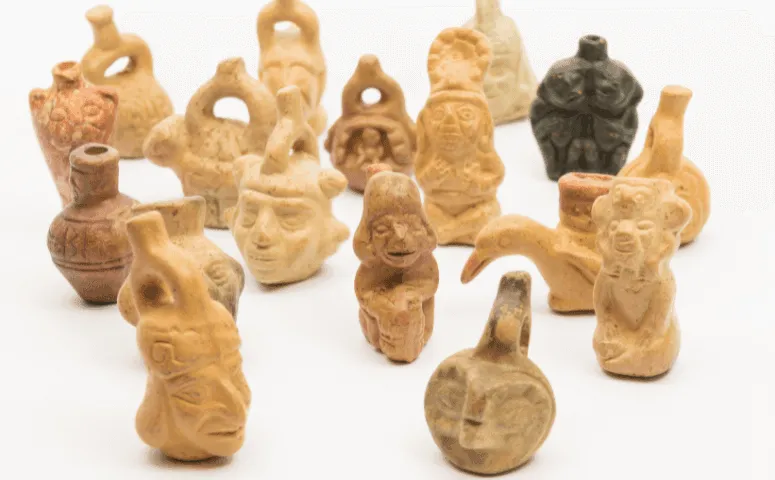
Long before the arrival of the Spanish, Peru was home to some of the most sophisticated and creative cultures in the Americas.
Civilizations like the Chavín, Paracas, Moche, Nazca, and the powerful Inca Empire built complex societies with unique artistic identities. Their art wasn’t just for display, it held deep spiritual, social, and cultural significance. From stone temples and gold jewelry to detailed ceramics and finely woven textiles, they used art to connect with the natural world, honor their gods, and share their beliefs.
What makes it even more remarkable is how much of this ancient art still exists today. In museums and archaeological sites throughout Peru, you can admire original Moche pottery with lifelike figures or gaze at the massive Nazca lines etched into the desert. These creations give us a vivid glimpse into how these early cultures viewed life, the cosmos, and their place in the world. They laid the foundation for the artistic traditions that still thrive across Peru.
The Influence of Spanish Colonization on Peruvian Art
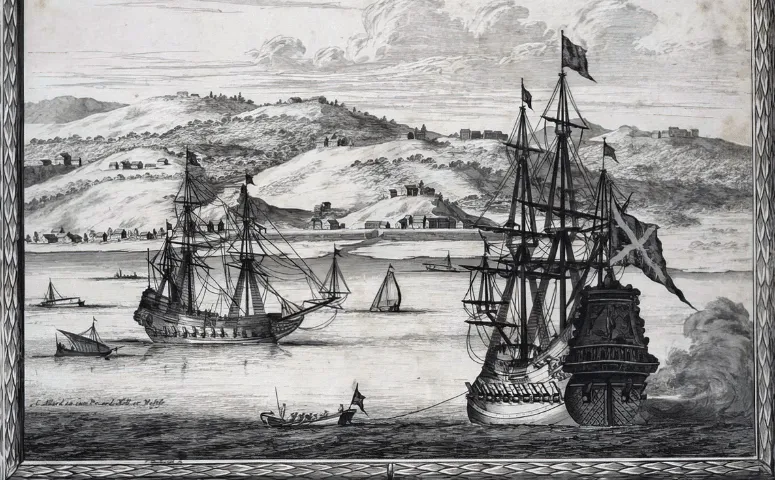
When the Spanish arrived in the 16th century, they introduced European artistic styles that blended with Peru’s indigenous traditions in fascinating ways. This fusion gave rise to the famous Cusco School of Art, one of Latin America’s most iconic artistic movements.
Religious themes were reimagined through a local lens: angels wore Andean garments, and the Virgin Mary sometimes appeared with features inspired by Inca goddesses. Colonial times also brought ornate churches and cathedrals, adorned with gold-covered altars, intricate woodwork, and detailed paintings.
While this era marked a painful cultural shift for native communities, it also sparked a unique artistic identity that reflected both colonial and indigenous voices. Today, colonial art is woven into Peru’s cultural fabric. In places like Cusco and Arequipa, you can explore these masterpieces firsthand in historic churches, local museums, and hidden galleries.
Folk Art and Craft Traditions that Keep Culture Alive
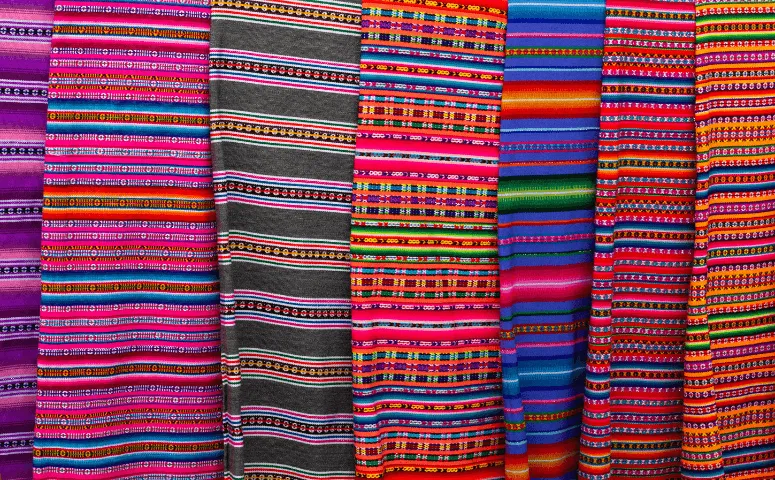
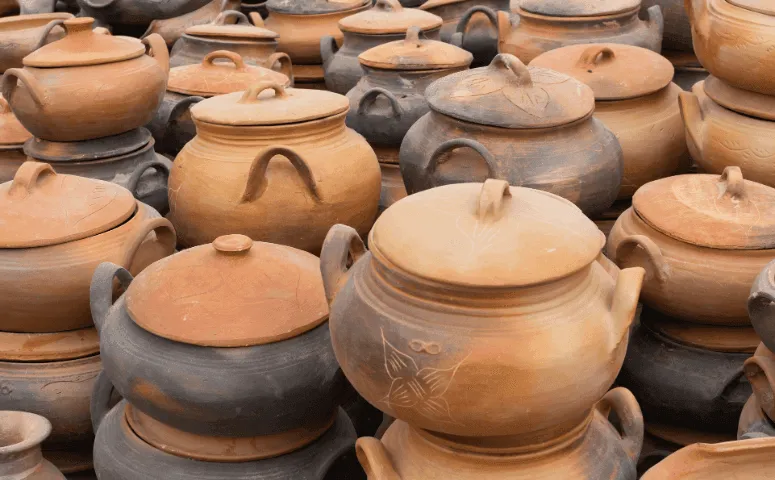
Peruvian folk art is where color, heritage, and daily life come together. Found not in galleries but in homes, markets, and local festivals, these handcrafted pieces are full of meaning. From intricate Andean textiles and Ayacucho ceramics to hand-carved gourds and vibrant retablos, each region proudly showcases its own craft traditions passed down through generations.
What makes this art so powerful is its connection to real life, many designs reflect local stories, beliefs, or landscapes. In the Andes, for example, bold textile patterns often symbolize mountains, animals, and ancient myths. These works aren’t just beautiful, they serve everyday purposes and preserve cultural identity.
By supporting local artisans, you help protect traditions that continue to shape Peru’s living culture. During our different Peru tours, you’ll be able to learn more about the traditions and unique artwork.
Art in the Streets: Murals and Urban Creativity
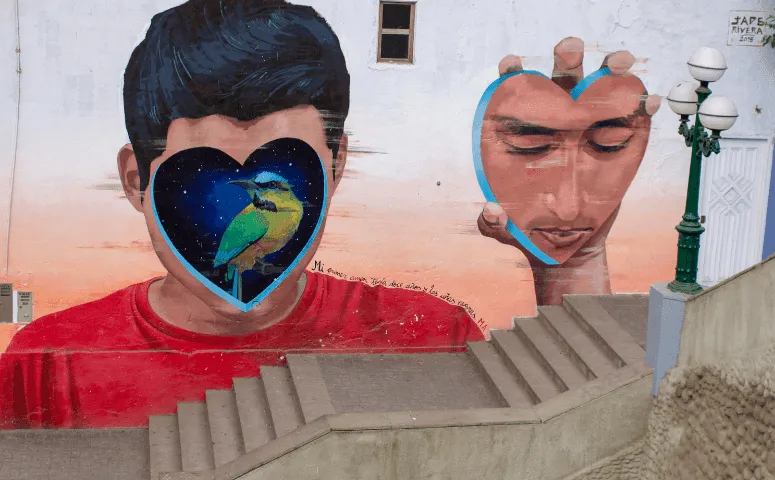
From Lima to the coastal neighborhoods of Callao, Peru’s cities have become living galleries where walls tell stories.
Murals now brighten once-plain streets, turning them into bold expressions of identity, resistance, and culture. Using spray paint, stencils, and mixed media, young artists give voice to issues like indigenous pride, Afro-Peruvian heritage, and the environment.
In places like Barranco, urban art blends tradition with modern messages, some murals even reimagine ancient Inca symbols in new forms. What makes this movement so special is its accessibility: art is no longer locked away in museums, it’s on the streets for everyone to see. It’s creative, it’s political, and it’s a powerful reminder that Peru’s culture keeps evolving, loud, proud, and unapologetically colorful.
Music and Dance as Living Forms of Art
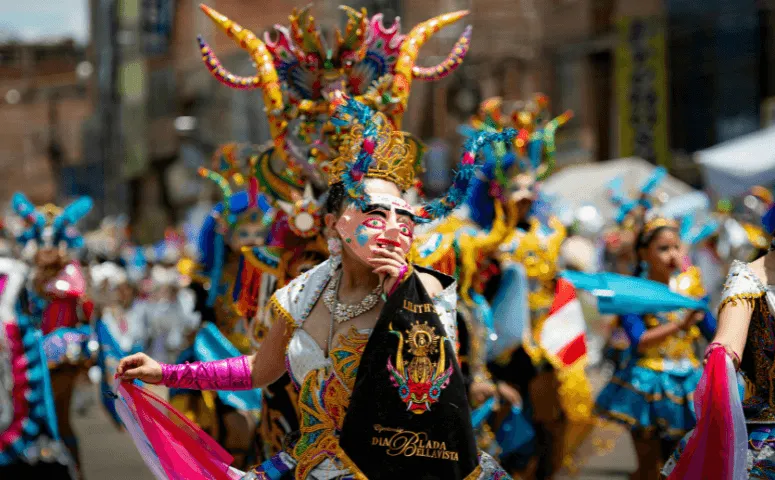
Art in Peru goes beyond paintings and sculptures, music and dance are vibrant expressions of the country’s soul. Each region offers its own unique rhythms, instruments, and styles. From the haunting melodies of Andean pan flutes to the energetic beats of Afro-Peruvian cajón drums, these traditions reflect Peru’s rich multicultural roots.
Dances like the Marinera, Huayno, and Diablada blend indigenous, African, and Spanish influences, with colorful costumes that are artworks in themselves. Whether at a local festival or the grand Inti Raymi celebration in Cusco, music and dance unite communities, tell stories, and keep Peru’s cultural heritage alive for generations to come. If you want to learn more then read our blog post about Peruvian culture and traditions.
Contemporary Artists Bridging Past and Present

Peru’s contemporary artists are boldly shaping the future while honoring their rich heritage.
Painters, sculptors, photographers, and digital creators tackle themes like identity, migration, and the environment, often weaving in ancient symbols, colonial influences, and folk traditions with a fresh, modern twist. Renowned artists like Fernando de Szyszlo and Brenda Ortiz have brought international attention to this vibrant creative scene.
What makes modern Peruvian art so captivating is its diversity and depth. From Lima’s sleek galleries to pop-up exhibits in remote villages, and immersive installations that challenge social norms, Peru’s art world is alive with innovation.
Whether through classic painting or cutting-edge digital work, these artists give voice to a nation proud of its past and eager for the future.
For travelers eager to explore this creative side of Peru, Exploor Peru offers customized tours that go beyond the usual tourist routes, revealing the country’s dynamic artistic spirit firsthand.
Discover Peru Through Its Art: A Journey That Inspires
Peruvian art is more than what you find in museums, it’s something you feel in the streets, hear in the music, and see in the hands of local artisans.
From ancient civilizations to today’s creatives, every brushstroke, melody, and woven thread tells the story of a country shaped by many cultures. Whether it’s the vibrant Andean textiles, powerful street murals, or traditional dances, Peru’s art reflects its soul, rich, diverse, and alive.
If you’re dreaming of a trip that goes beyond the typical, where you can truly connect with Peru’s culture and creativity, Exploor Peru is your perfect partner. We offer unique travel experiences that bring you closer to the art, traditions, and people that make Peru unforgettable.
Contact us for more information and start planning your artistic journey through Peru.
Frequently Asked Questions About Peruvian Art
What makes Peruvian art unique?
It combines ancient Indigenous traditions with Spanish colonial styles and modern creativity. This mix appears in textiles, ceramics, goldwork, street murals, music, and dance. The result is art that reflects history, identity, and living culture.
Which ancient cultures shaped Peruvian art?
Chavín, Paracas, Moche, Nazca, and the Inca built strong visual languages. Their legacy includes lifelike Moche pottery, Nazca geoglyphs, fine textiles, stone temples, and metalwork that influenced later art across Peru.
How did Spanish colonization influence Peruvian art?
European techniques and religious themes merged with Andean symbols, creating the Cusco School. Artists portrayed angels in Andean dress and reimagined the Virgin Mary with local features. Churches and cathedrals gained ornate altars, carvings, and paintings.
Where can travelers see Peruvian art in person?
Visit museums and churches in Lima, Cusco, and Arequipa, walk street art areas like Barranco and Callao, and shop artisan markets in the Andes. For deeper access, Exploor Peru’s customized tours connect visitors with local artists and traditions.
Which folk art forms are most representative?
Andean textiles, Ayacucho ceramics, retablos, and carved gourds stand out. These crafts carry local stories, beliefs, and landscapes, and they serve daily life while preserving cultural identity.





Paul Jenkins29 August, 2025 at 1:22 am
I am really astonished by the history and culture of Peru. So far I was only aware of the pan flutes but there is so much more to discover.
I have checked the 8-day authentic tour and send you an email with some questions about this adventure. Looking forward to hearing from you.
Best,
P
Konsti from Exploor Peru29 August, 2025 at 4:40 am
Hi Paul,
thanks a lot for your positive feedback and indeed - Peru is full of culture, history, art and beautiful moments.
My colleague has already send you an email with more information about our Authentic Tour.
Do not hesitate to contact us.
Best,
Erik