Machu Picchu sits at about 2,430 meters (7,970 feet) above sea level and is best visited during the dry season from May to September for clearer skies and fewer heavy rains.
Travelers can reach Machu Picchu by train from Cusco or the Sacred Valley, then take a bus from Aguas Calientes to the site, or hike one of the Inca trails for a more active experience.
Visitor numbers are limited and entry is only allowed in timed slots, so tickets for Machu Picchu, Huayna Picchu, and trains should be booked weeks or months in advance, especially in high season.
All visitors must follow marked circuits inside Machu Picchu, respect preservation rules, and carry only small bags, and many travelers choose to hire a licensed guide for deeper context and easier navigation.
Altitude, sun exposure, and changing weather require simple preparation, such as staying hydrated, wearing layers, using sunscreen and insect repellent, and arriving in Cusco or the Sacred Valley a day or two before to adjust.
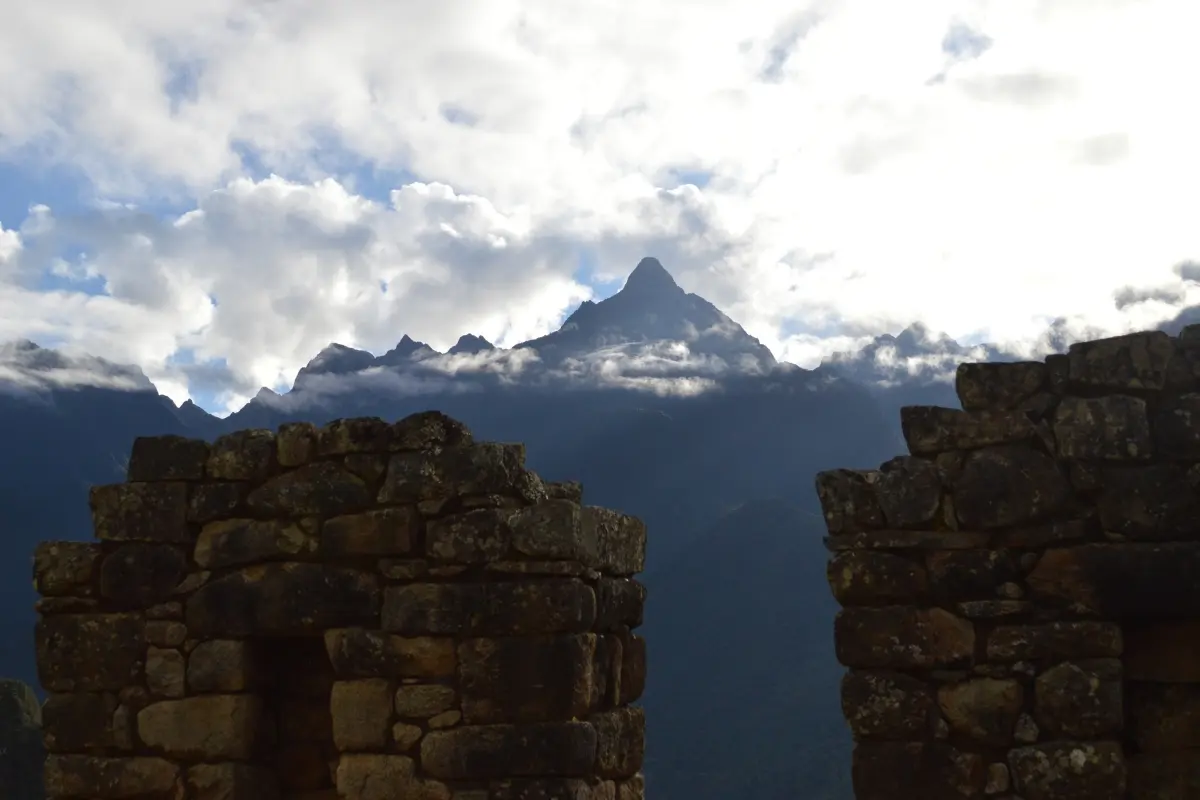
Imagine standing amid the ruins as the sun rises over the Andes, the clouds lifting to reveal terraces and temples in golden light. Built in the 15th century as a royal estate, Machu Picchu kept its secret for centuries until Hiram Bingham brought it to global attention in 1911. Today it is a UNESCO World Heritage site and one of the New Seven Wonders for its harmony of stonework, setting and mystery.
You want the wonder without the hassle. In 2026, updated access rules make visits more orderly, with timed entries, defined circuits and more. Tickets must be booked in advance, and some hikes have strict permit limits, which helps protect the site and improves the flow on busy days.
This guide is your plan for a smooth, meaningful trip. You’ll get practical ticket advice, a simple breakdown of the circuits and help choosing hikes that match your pace, from the classic Inca Trail to Huayna Picchu. You’ll also learn how to get there from Cusco, when to go, what to pack for altitude and smart ways to avoid long lines.
If you value quality and culture over crowds, you’re in the right place. With expert, on-the-ground insight, you skip guesswork and spend your energy where it counts, on the stories and views that make Machu Picchu unforgettable. Take a breath. Your 2026 visit starts here.
Planning Your Machu Picchu Visit: Key 2026 Essentials
You want a smooth, crowd-smart visit with zero guesswork. Lock in your Machu Picchu tickets 2026 early, plan your circuit, and give yourself time to acclimate. Here is what matters most.
Booking Tickets and Navigating Entry Rules and Circuits
Book online through the official platform, then match your route to your interests.
Step 1: Buy tickets as soon as you have dates. Use the official site for availability and payment: machupicchu.gob.pe. Daily limits are about 4,600 in low season and 5,650 in peak.
Step 2: Pick your circuit. There are three main circuits with ten defined routes. Circuits control flow, protect the ruins, and reduce backtracking. Circuit 1 favors sweeping views and is often less crowded. If you care about classic temples, choose a route that includes the Temple of the Sun.
Step 3: Choose your time slot. Morning slots bring softer light and cooler temps. Midday offers more warmth but bigger crowds.
Step 4: Hire a licensed guide. Guides are required, groups are capped at 16, and free roaming is not allowed. Book a guide in advance or at the gate to avoid delays.
Step 5: Add-ons. If you want Huayna Picchu or Machu Picchu Mountain, you need a separate combo ticket. Spots are limited; book early.
Tip: Carry your passport, arrive 30 minutes before your entry, and follow your circuit, since backtracking is not allowed.
For a deeper look at current rules and updates, our overview of Machu Picchu Circuits can help you plan your route and timing.
Best Time to Visit: A Month-by-Month Guide
Aim for comfort, clear views, and fewer people.
January to March: Wet season brings mud and frequent showers. Trails can be slick and some routes close in heavy rain. February is the rainiest.
April to May: Excellent balance. May is a sweet spot, with greener hills and lighter crowds.
June to August: Dry and sunny, also the busiest and most expensive. Book months in advance.
September to October: Another great window. October often mirrors May with mild weather and thinner crowds.
November to December: Rains return, crowds ease, prices drop, views stay lush. Pack rain gear.
If you’re looking for even more detailed info, have a look at our Machu Picchu weather article to plan your visit in the best way possible.
How to Get There: Trains, Buses and Smart Routes from Cusco
Most travelers fly into Cusco, then continue by rail.
Fly to Cusco (CUZ). Spend 1 to 2 days acclimating.
Train to Aguas Calientes, about 3.5 hours. Choose comfort classes with larger windows if you want scenery and space.
Bus from Aguas Calientes to the citadel, 20 to 30 minutes. Buses run all day; lines are shorter before 06:30 and after 14:30.
Smart routing: Break up travel with a Sacred Valley stay, then board the train from Ollantaytambo for a shorter, scenic ride. Also, this way you get to avoid altitude sickness.
Acclimatization Tips to Avoid Altitude Sickness
Cusco sits at 11,200 feet (3,410 m), Machu Picchu at 7,970 feet (2,430 m). Ease in so you feel great on-site.
If your itinerary allows for it, start lower in the Sacred Valley first. The valley’s altitude is gentler and helps your body adapt.
Hydrate often, eat light and skip alcohol on day one.
Watch for headaches, dizziness, shortness of breath or nausea. Rest if symptoms appear.
Try coca tea or coca candies. Ask your doctor about preventive medication, such as Soroche pills which you can find in every Peruvian pharmacy, if you are sensitive to altitude.
With a paced start and smart hydration, you will enjoy the high Andes without missing a beat.
Discovering Machu Picchu’s Top Sights and Breathtaking Views
As you wander the stone paths, you will feel the Incas’ ingenuity in every terrace, temple, and water channel. This quick guide helps you focus on Machu Picchu top attractions, with the best views, smart routes and why a guide adds real depth.
Circuits control the flow, so choose one that matches your priorities.
The Main Citadel and Sacred Plaza: Heart of the Ancient City
Start in the urban sector, where temples, residences and finely cut walls show elite Inca craftsmanship. Follow the stairway of ceremonial fountains, fed by a spring that still runs. The Sacred Plaza links major shrines, including the Main Temple and the Temple of the Three Windows and it sits above the terraces with sweeping views of the Urubamba River below.
This is where you sense the city’s purpose. The plaza connected ritual, politics, and astronomy in one tight space, a stage set between mountains and sky. Circuits that include the upper terraces and Plaza area deliver classic postcards and context in one pass.
Temple of the Sun and Intihuatana Stone: Inca Engineering Wonders
The Temple of the Sun stands out with its graceful curved wall and precise stonework. Windows frame the rising sun around the solstices, which likely guided ceremonies and the Inca calendar. Below, a carved chamber hints at burials or high ritual.
The Intihuatana Stone, a carved granite pillar, works as a ritual solar marker. Guides will show how its angles catch light and shadow near solstice moments, turning sunlight into a clock.
These sights are best with a circuit that reaches the upper and central sectors, so you can connect the ritual spaces to the views around them.
Iconic Viewpoints: Sun Gate and Inca Bridge for Stunning Photos
For epic panoramas, walk to the Sun Gate (Inti Punku), the classic entrance for Inca Trail hikers. From the upper terraces, it is an easy, gradual path of about 45 to 60 minutes each way. Go early for soft light, or aim for late afternoon when tour groups thin.
For a thrilling side trip, take the narrow ledge path to the Inca Bridge. It is a short, scenic walk with cliffside drama and a great look at Inca trail building. Plan these add-ons after your main circuit, time one for golden hour, and you will leave with the wide, misty shots you came for. A licensed guide will keep you on schedule and share the stories hidden in the stones, so every viewpoint becomes more than a selfie stop.
Epic Hikes and Trails: Ways to Reach and Explore Machu Picchu
Machu Picchu rewards curious hikers with trails for every fitness level. Choose an add-on summit for big views, or commit to a multi-day approach that arrives like the Incas did. If you are short on time, the Sun Gate trail is a moderate 2-hour round trip with classic panoramas and a gentle grade.
Huayna Picchu and Machu Picchu Mountain: Summit for Unmatched Views
If you are up for a challenge, you will love the thrill of summiting Huayna Picchu. Expect steep switchbacks, narrow stone steps, and terraces that perch over the citadel. The climb takes about 90 minutes up. Spots are limited and sell out fast, so book the combo ticket months ahead. It suits hikers comfortable with heights and exposure.
Prefer a steadier push with fewer crowds? Pick Machu Picchu Mountain. The path is wider and more gradual, with a longer ascent of about 1.5 hours up. The reward is a bird’s-eye view that frames the ruins and the river in one sweep.
Both hikes require a separate ticket and a strict entry time. Bring water, sun protection, and stable shoes. Trekking poles are allowed only with rubber tips and large backpacks are not permitted.
Booking tip: Choose based on comfort with exposure. Pick early time slots for cooler temps and clearer skies.
The Inca Trail: Classic 4-Day Trek and Shorter Alternatives
The Classic 4-day Inca Trail is a bucket-list route with porter support, chef-prepared meals and scenic campsites. Permits are capped and sell out about 6 months in advance.
Day 1: KM 82 to camp, warm-up miles past small ruins.
Day 2: The big climb over Dead Woman’s Pass, then descend to camp.
Day 3: Cloud forest, stone steps, and Wiñay Wayna, the trail’s crown jewel.
Day 4: Sunrise at the Sun Gate, guided tour of Machu Picchu.
Pack light but smart: broken-in boots, breathable layers, rain shell, headlamp, electrolytes, blister care, and snacks. Add rubber tips for poles and a compact dry sack.
If time is tight, the 2-day Inca Trail starts at KM 104, visits Wiñay Wayna, and reaches the Sun Gate by afternoon.
Safety notes: Acclimate in the Sacred Valley first, hydrate often, and carry travel insurance that covers high-altitude trekking.
Salkantay and Lares Treks: Scenic Paths
If you want an alternative to the Inca Trail, your best option will be the Salkantay Trek. You will crest a high pass near 15,000 feet (4570 m), skirt turquoise Humantay Lake, and soak tired legs in hot springs near Santa Teresa. Camps feature mountain views and starry skies.
For culture-forward travelers, the Lares Trek weaves through Andean villages known for vibrant textiles and traditional alpaca herding. Expect warm welcomes, learning about weaving and quieter trails that feel personal.
How to book well:
Choose licensed guides that run small groups, 8 to 12 hikers or fewer.
Confirm porter or horse support, quality tents, and oxygen on hand.
Check altitudes, daily distances, and transfer plans to Aguas Calientes.
Why these routes shine: you get solitude, rugged peaks, and deeper cultural immersion. They also pair well with a day tour of Machu Picchu at the end.
Staying Comfortable: Lodging, Food, Tours, and Pro Tips in 2026
You will relax in Aguas Calientes after your train ride, then join a tailored tour. Book early for June to August so you won’t have availability problems. An overnight gives you a calmer dawn entry, better light and time to breathe so you can enjoy Machu Picchu without the crowds.
Where to Stay and Eat in Aguas Calientes and Nearby
Comfort comes in many shapes. Here are reliable picks with vibes and ballpark prices.
Inkaterra Machu Picchu Pueblo (luxury, $600-$1,200): Andean casitas, lush gardens, spa. Perfect for quiet relaxation, birdsong, and polished service. See a current round-up of top stays at Best Luxury Hotels In Machu Picchu 2026.
Sumaq Machu Picchu Hotel (upper-mid to luxury, $350-$700): River views, tasting menus, hands-on cooking classes. Great for food lovers.
Tierra Viva Machu Picchu (midrange, $120-$220): Clean, modern, good beds, strong showers. Easy base for early buses.
Casa del Sol (midrange, $150-$250): Warm design, riverside rooms, friendly staff. Good value for comfort seekers.
Budget hostels and B&Bs ($25-$70): Private rooms with simple comforts. Pick central spots to cut walking time before dawn.
Tree House: Elevated Peruvian cuisine, good for a celebratory dinner.
Order ceviche at lunch, alpaca steak for dinner, and fresh trout anytime. Reserve for 18:00 to 19:00 to avoid post-train rush. For quick hotel comparisons, browse the top 10 listing on Tripadvisor’s Aguas Calientes hotels.
If you’ve embarked on one of the Inca Trail hikes, you will enter Machu Picchu through the Sun Gate, where you’ll also get your first glimpse of the mysterious Lost City of the Incas.
If you’re coming from Aguas Calientes, you can get to Inti Punku once you’ve entered the site. From the Guardhouse at Machu Picchu, you can climb to the viewpoint in about 1,5 hours.
Tour Packages: From Day Trips to Custom Multi-Day Journeys
To choose among our “best Machu Picchu tours 2026”, we offer three clear formats:
Day tour from Cusco: Flexible schedule, perfect for the ones with few time to explore.
2-day overnight: Train to Aguas Calientes, sleep close, dawn visit next day. More time, fewer lines, calmer pace.
Multi-day Machu Picchu tours: Add additional tours, such as Sacred Valley and Rainbow Mountain, premium trains and hikes like Huayna Picchu. One plan, no stress.
We always recommend you work with local experts to lock tickets, trains and the right circuit so you avoid being ripped off online. With Exploor Peru, you avoid the crowds, travel with expert guides who know hidden angles and enjoy impeccable tour organization so your day flows.
Avoiding Crowds and Snagging the Best Photos: Insider Secrets
Enter early 6:00 to 7:00 or late 14:00 to 15:00 for softer light and open paths.
Target shoulder months, April to May or late September to October, for fewer people.
Choose panoramic circuits that reach upper terraces for wide frames of the citadel.
Carry a wide-angle lens or use your phone’s ultra-wide for terraces and peaks.
Pack a polarizer or use HDR, keep a microfiber cloth handy for mist.
Stay the night in Aguas Calientes, then bus up before the main rush.
With over 1400 5-star reviews on TripAdvisor, Exploor Peru is your best fix for a smooth day. We plan around bottlenecks, time entries for space and share photo sweet spots you would miss alone. Contact us to get a free quote for your customized Machu Picchu adventure!
Ready to Explore the Lost City of the Incas?
You now have a clear plan to see Machu Picchu at its best in 2026. Book early, choose your circuit with intention, and secure add-on hikes like Huayna Picchu or Machu Picchu Mountain months ahead. Aim for April to the end of May or late September to end October for calmer paths and crisp views. Pack light, hydrate and give yourself time to acclimate in Cusco or the Sacred Valley. Remember, no food inside the ruins and water is only available near the entrance.
If you want a smoother pace and sunrise light, stay overnight in Aguas Calientes. Pairing the Sacred Valley with Machu Picchu adds context and culture, and multi-day treks like the Inca Trail or Salkantay reward you with grand scenery and a deeper story. February brings Inca Trail maintenance closures, so schedule around it.
Ready to skip the guesswork and enjoy a crowd-smart, meaningful visit? Lock in your 2026 dates now and contact us to tailor your route, timing and tickets.
Just picture yourself atop Huayna Picchu, connecting with Peru’s ancient soul. Sounds incredible, doesn’t it?
Frequently Asked Questions About Visiting Machu Picchu
When is the best time of year to visit Machu Picchu?
The best time to visit Machu Picchu is during the dry season, from May to September. Skies are usually clearer, trails are less muddy, and train and bus services run more smoothly. June, July, and August are the busiest months, so expect more crowds and higher prices. The rainy season, from November to March, has fewer visitors and greener views, but showers are common and can affect hikes and views.
How do I get to Machu Picchu from Cusco?
Most travelers reach Machu Picchu by train from Cusco or the Sacred Valley. You first travel to either Ollantaytambo or Poroy, then take a train to Aguas Calientes, also known as Machu Picchu Pueblo. From Aguas Calientes, you ride a shuttle bus up the mountain to the main entrance. Some visitors choose a multi day trek, like the classic Inca Trail or alternative routes, which finish near or at Machu Picchu and include entry in guided packages.
Do I need to book Machu Picchu tickets in advance?
Yes, you should book Machu Picchu tickets in advance because daily entry is limited and controlled by time slots. Tickets for Machu Picchu, combined tickets that include Huayna Picchu or Machu Picchu Mountain, and train tickets can sell out weeks or months ahead in high season. Booking early gives you better times, more route options, and helps you coordinate trains, buses, and guides without stress.
How long should I plan to stay at Machu Picchu?
Most visitors spend about 3 to 5 hours inside Machu Picchu. This is enough time to walk the assigned circuit, see the main viewpoints, and hear explanations from a guide. If you add a hike like Huayna Picchu or Machu Picchu Mountain, plan on at least a half day at the site. Many travelers stay one night in Aguas Calientes so they can visit Machu Picchu in the early morning or late afternoon when light is softer and crowds are lighter.
What should I pack for a day visit to Machu Picchu?
Pack light, since large backpacks are not allowed inside the site. A small daypack with water, snacks, sunscreen, a hat, sunglasses, insect repellent, and a light rain jacket works well. Wear comfortable walking shoes with good grip, and dress in layers because mornings can be cool and midday can be warm. Bring a physical or digital copy of all tickets and your passport, which is required to enter Machu Picchu and may be checked at the gate.
Hello Carol, thanks for reaching out to exploor! In case you are staying for only 4-6 days in Peru I would highly recommend you the following itinerary:
1. Arrival in Lima (probably afternoon)
2. Flight to Cusco (get used to the altitude) and discovering during our Cusco City tour the best sites such as San Pedro Market, San Blas neighborhood, Sacsayhuaman etc.
3. Sacred Valley
4. Machu Picchu
5. Rainbow Mountain Palccoyo or Vinicunca
6. Flight back
In case you are interested to learn more about this adventure feel free to visit the tour page in addition to that you can request our guided Cusco City tour.
Let me know if you have any further questions.
Best,
team exploor
Veryyy interesting! This complete guide is really helpful for our trip to Peru in May. Is it possible to get assistance with finding the right hotels for Cusco and Lima?
Hey Josh, glad the content is useful for you guys! Yes of course, feel free to send us an e-mail to [email protected] and we’d be happy to help you out. 🙂












Omar Asif5 May, 2022 at 10:22 am
This is very compact and useful! Thanks for the interesting insights and that will help us to plan our Peru trip.
Oliver from Exploor5 May, 2022 at 1:30 pm
Thank you Omar, we’re happy to hear that the content helps! If there’s anything else you need, feel free to shoot us a message! 🙂
Jennifer Morley13 March, 2022 at 5:26 pm
Which train company do you guys recommend, Peru Rail or Inka Rail?
Oliver from Exploor14 March, 2022 at 9:35 pm
Hey Jennifer! We’d recommend and mainly work with Peru Rail! Feel free to check our post about the different train options. Hope this helps 🙂
Carol28 February, 2022 at 12:33 pm
We are short on time and have around 4-6 days to visit Lima&Cusco.
Any tour recommendations or what would be the best tour itinerary for us?
Cheers
Konsti from Exploor Peru1 March, 2022 at 6:45 am
Hello Carol, thanks for reaching out to exploor! In case you are staying for only 4-6 days in Peru I would highly recommend you the following itinerary:
1. Arrival in Lima (probably afternoon)
2. Flight to Cusco (get used to the altitude) and discovering during our Cusco City tour the best sites such as San Pedro Market, San Blas neighborhood, Sacsayhuaman etc.
3. Sacred Valley
4. Machu Picchu
5. Rainbow Mountain Palccoyo or Vinicunca
6. Flight back
In case you are interested to learn more about this adventure feel free to visit the tour page in addition to that you can request our guided Cusco City tour.
Let me know if you have any further questions.
Best,
team exploor
Josh27 January, 2022 at 10:18 am
Veryyy interesting! This complete guide is really helpful for our trip to Peru in May. Is it possible to get assistance with finding the right hotels for Cusco and Lima?
Oliver from Exploor28 January, 2022 at 5:52 pm
Hey Josh, glad the content is useful for you guys! Yes of course, feel free to send us an e-mail to [email protected] and we’d be happy to help you out. 🙂